IN Brief:
- Hong Kong International Airport recorded 49 cancellations and 238 delays by late afternoon on 25 July.
- The storm affected airports, ground handling, warehouse intake, road access, and connecting schedules across southern China.
- Recovery will depend on aircraft repositioning, cargo backlogs, handling capacity, and onward transport availability after flights resume.
Hong Kong International Airport activated contingency and flight-rescheduling measures as Typhoon Noul disrupted aviation and cargo movements across Hong Kong and southern China.
By 16:50 on 25 July, the airport had recorded 29 cancelled departures and 20 cancelled arrivals, while 126 departing flights and 112 arrivals were delayed. A larger number of services was expected to be affected as the storm moved closer to Hong Kong and weather conditions deteriorated.
Airport Authority Hong Kong maintained contact with the Hong Kong Observatory, the Civil Aviation Department, airlines, handlers, and other members of the airport community. Landside transport was also expected to be disrupted, complicating staff movements, cargo collection, and deliveries into the airport estate.
Major cargo gateways across southern China, including Guangzhou, Shenzhen, Zhuhai, Xiamen, and Hong Kong, faced varying degrees of exposure to the weather system. Changes to flight plans across several airports increased pressure on alternative routes because aircraft, warehouse capacity, and road transport could not be transferred instantly between gateways.
Cancellations represent only the most visible layer of airfreight disruption. Export consignments may already have entered a terminal when a flight is withdrawn, while inbound cargo can remain at origin, be held at an intermediate airport, or arrive later than the transport and labour bookings arranged for its collection.
Ramp operations are often restricted before an airport closes completely. High winds affect loaders, dollies, unit-load devices, and open-ramp working, while heavy rain slows transfers between warehouses and aircraft and increases the protection required for exposed cargo.
Those restrictions can reduce the amount of freight handled even while some flights continue to operate. Airlines may prioritise passenger baggage, urgent cargo, mail, live animals, perishables, or medical consignments according to available capacity and operating conditions.
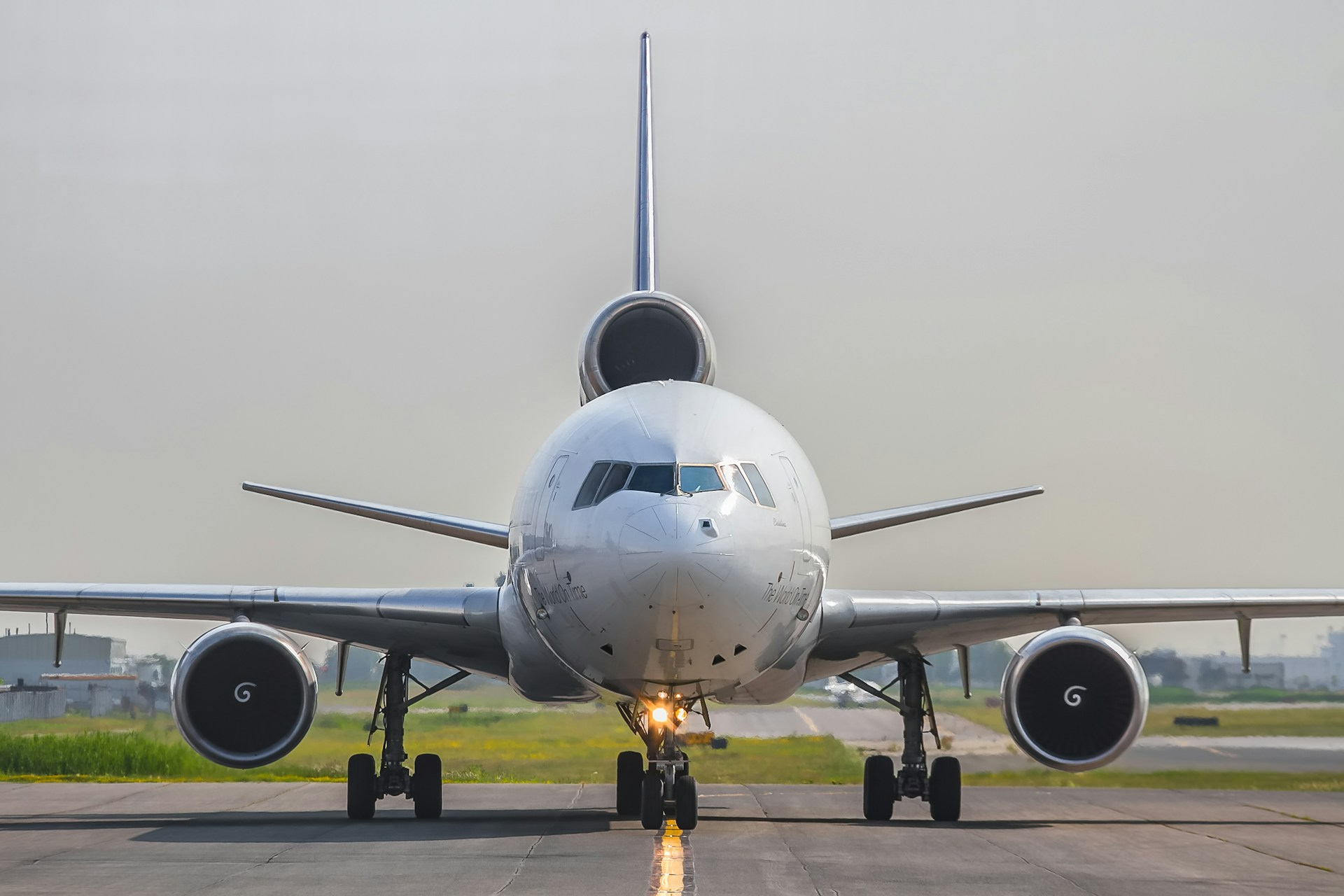
Once the weather improves, recovery depends on aircraft and crews being returned to their planned positions. Passenger services carrying bellyhold cargo must be rebuilt around slot availability and connecting schedules, while freighters held at origin or diverted elsewhere need revised handling, fuel, and crew arrangements.
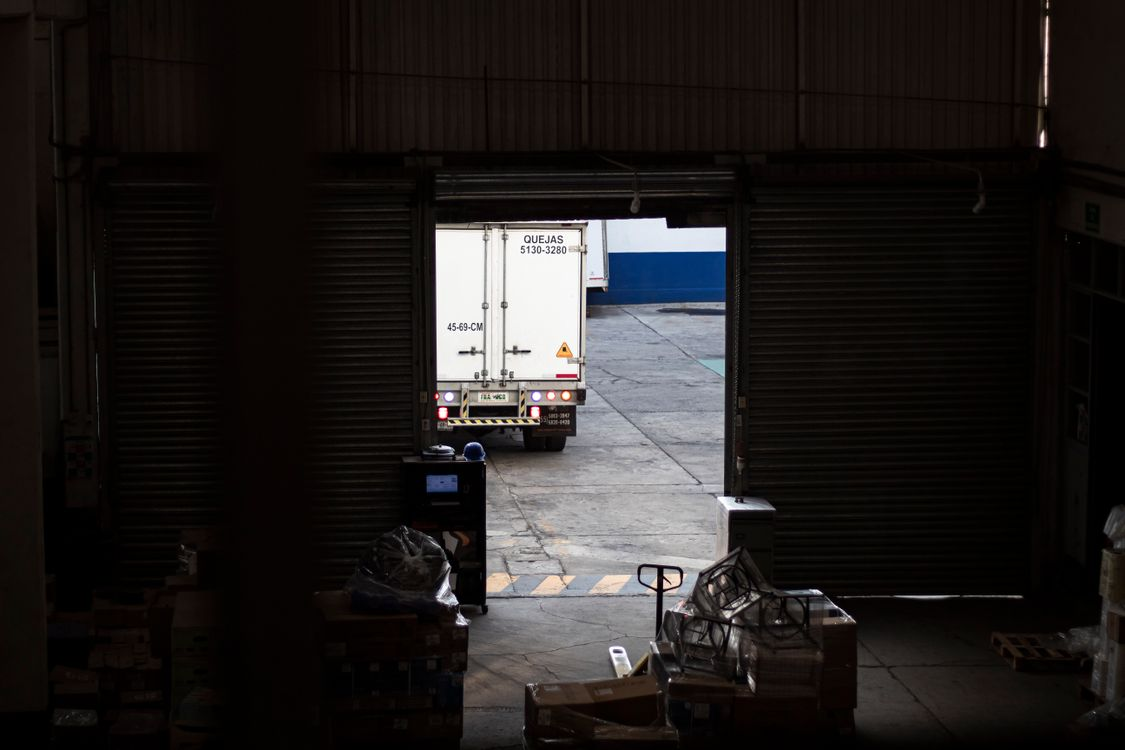
Warehouse congestion can persist long after runways reopen. Export cargo awaiting uplift occupies staging and storage space, while arriving consignments still require breakdown, inspection, customs clearance, and collection, creating overlapping pressure on docks, staff, and equipment.
Temperature-controlled rooms and secure areas are especially difficult to expand during disruption. A general warehouse may create temporary overflow space, but refrigerated, frozen, dangerous-goods, valuable-cargo, and pharmaceutical areas have fixed capacity and additional operating controls.
Time-sensitive consignments require decisions based on the product and route rather than a general assumption that diversion is always preferable. A pharmaceutical shipment with qualified packaging may remain safer in controlled storage than during an improvised transfer, while an urgent production component may justify a more expensive route through another gateway.
Road access across the Pearl River Delta adds further complexity. Export cargo collected from factories depends on border crossings, consolidation centres, drivers, and airport-terminal acceptance, so restored flight schedules provide limited relief when roads remain restricted or warehouses are not ready to receive freight.
Capacity planning is already complicated by delays affecting new freighter programmes and conversion strategies. Carriers operating with less spare aircraft capacity have fewer options to reposition equipment or add recovery flights after a major regional interruption.
Booked capacity and recoverable capacity differ sharply after a storm. The available space on resumed services must absorb ordinary reservations, rolled cargo, priority shipments, aircraft repositioning, and cargo displaced from cancelled connections, which can tighten acceptance rules and rates on the most constrained lanes.
Contingency plans work best when the decision thresholds are established before the disruption begins. Maximum acceptable delay, alternative airports, customs requirements, security controls, temperature limits, and the cost ceiling for rerouting should be agreed while several options remain available.
Inventory policies shape the consequences further upstream. A low-value component can stop a high-value production line when stocks are tightly compressed, while a relatively modest regional buffer may absorb several days of airfreight disruption without affecting output.
Southern China’s concentration of electronics, machinery, ecommerce, pharmaceuticals, and other time-sensitive industries magnifies the effect of severe weather. Typhoons are familiar within the region, but dense schedules and short replenishment cycles leave limited room for delays to disperse unnoticed.
Flight counts will show when the airport begins returning to normal, although cargo recovery also depends on terminal acceptance, warehouse dwell, customs operating hours, road access, connection performance, and the speed at which rolled freight clears.
Safe restoration of airport and ground operations remains the first priority. Once services resume, airlines and handlers must rebuild their schedules without allowing delayed consignments to displace the next wave of booked cargo throughout the regional network.