IN Brief:
- Alaska Airlines has entered long-term leases for four Boeing 737-800 converted freighters.
- The aircraft will increase its dedicated fleet from five to nine and effectively double available cargo capacity.
- New lift will serve Alaska and Hawai‘i, supporting seafood, groceries, medicine, ecommerce, and industrial shipments.
Alaska Airlines has entered long-term lease agreements for four Boeing 737-800 converted freighters, increasing its dedicated cargo fleet from five aircraft to nine.
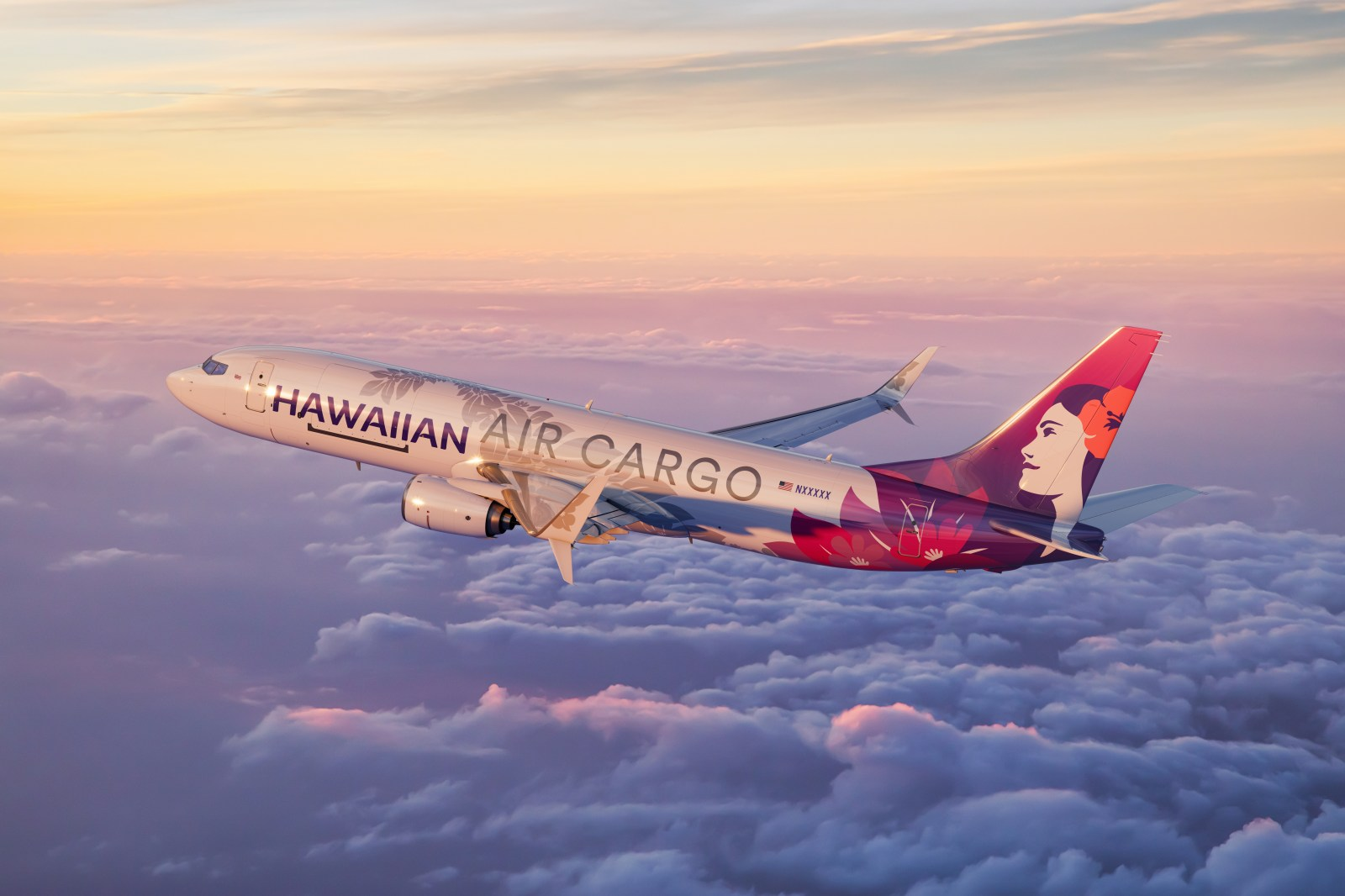
The additional aircraft are expected to enter service during the first half of 2027 and will effectively double the carrier’s dedicated freight capacity. They will be allocated across Alaska and Hawai‘i, with the Hawai‘i-based aircraft planned to carry Hawaiian Air Cargo branding.
Seafood, groceries, medicines, household supplies, ecommerce consignments, and other time-sensitive goods move through the airline’s cargo network. The expanded fleet is intended to improve reliability, provide greater flexibility when aircraft are unavailable, and support additional international shipping opportunities.
Several communities served by Alaska’s cargo operation have limited or no road access, leaving air transport as the fastest dependable link for essential goods. Aircraft carry ordinary replenishment stock as well as urgent products whose absence can quickly affect shops, hospitals, households, and local businesses.
Ian Morgan, vice-president of cargo at Alaska Airlines, said: “Expanding our cargo fleet with dedicated aircraft helps us accomplish both goals, opening up new international shipping opportunities for seafood and other commodities, while making sure we can reliably ship time-sensitive goods that our communities need, such as medicine, household supplies and groceries.”
The four aircraft will be Boeing Converted Freighters based on the 737-800 passenger platform. Conversion removes passenger equipment, reinforces the main deck, installs a large cargo door, and adds the systems required for freight handling and safe cargo operations.
Using aircraft from a common family can simplify maintenance planning, pilot training, spares, and engineering support. The 737-800 also provides greater payload and volume than smaller narrowbody freighters, allowing more cargo to be consolidated onto each sector.
Dedicated aircraft provide control that passenger belly capacity cannot consistently match. Passenger timetables are designed around traveller demand, while checked baggage competes for lower-deck space and aircraft substitutions can change the freight capacity available on a particular flight.
A freighter can be scheduled around cargo demand and accept shipments that are too large, dense, or awkward for passenger holds. Main-deck access is particularly useful for palletised industrial cargo, machinery, seafood, and consignments requiring specialised loading.
Fleet depth is equally important on remote routes. When a small cargo operation loses one aircraft to maintenance, several communities can be affected because there are few replacement options and limited alternative transport modes.
Increasing the fleet from five to nine aircraft provides more flexibility to cover maintenance, weather disruption, and seasonal peaks. The benefit depends on how aircraft are positioned across the network, since spare capacity located far from a disruption may not restore a service immediately.
Hawai‘i adds a complementary market, combining extensive reliance on inbound goods with export demand for seafood, agriculture, and specialist products. Airfreight carries urgent and high-value shipments that cannot tolerate ocean-transit times, while sea transport remains the principal mode for large-volume replenishment.
Ecommerce is changing the profile of that traffic. Consumers and businesses in island and remote markets increasingly expect access to the same product ranges available in continental regions, although fulfilment networks built around motorway parcel transport do not translate directly to those geographies.
The expansion arrives as delays affecting new and converted freighter programmes are complicating airline capacity plans. Narrowbody conversions occupy a different market from large intercontinental freighters, but they face similar constraints around aircraft availability, engineering capacity, conversion slots, and long-term fuel performance.
Long-term leasing reduces the capital required to purchase the aircraft outright, while committing the airline to rental payments and contractual obligations over the lease period. Commercial success therefore depends on sustained utilisation rather than occasional peak demand.
More aircraft also require additional crews, maintenance support, warehouse space, ground handlers, loaders, road-feeder capacity, and systems capable of managing a larger booking operation. Fleet growth can expose bottlenecks elsewhere when facilities and labour do not expand at the same rate.
Perishable seafood places particular pressure on departure reliability, temperature control, and rapid transfer after arrival. A delay of several hours can reduce quality and commercial value even when the cargo remains technically within an acceptable temperature range.
Healthcare consignments impose different controls around security, documented handling, priority loading, and temperature qualification where applicable. A larger fleet creates more recovery options, but each station still requires suitable facilities and trained staff.
Alaska Airlines has linked cargo growth to its wider Alaska Accelerate strategy, which targets US$150 million in new annual profit. The additional capacity must therefore combine community service with commercially sustainable freight demand.
Essential inbound shipments can support regular schedules, while seafood, ecommerce, industrial cargo, and international connections improve revenue and directional balance. The period before entry into service gives the airline time to develop routes, customer commitments, staffing, and ground capacity around the new aircraft.
Once all four conversions are operating, the nine-aircraft fleet should provide substantially greater resilience and commercial reach. Its performance will depend on matching that capacity with reliable two-way demand rather than adding aircraft faster than the supporting network can absorb them.