IN Brief:
- Fifty-one domestic shipping companies have expressed support for the implementation of MARINA’s MEDIAnS platform.
- The software collects vessel, voyage, fuel, energy, and emissions data from Philippine-registered domestic ships.
- Regional training is moving the programme from system development towards routine operator reporting and regulatory use.
The Maritime Industry Authority (MARINA) is expanding the operational use of its MEDIAnS fuel and emissions platform, with 51 domestic shipping companies now expressing support for implementation.
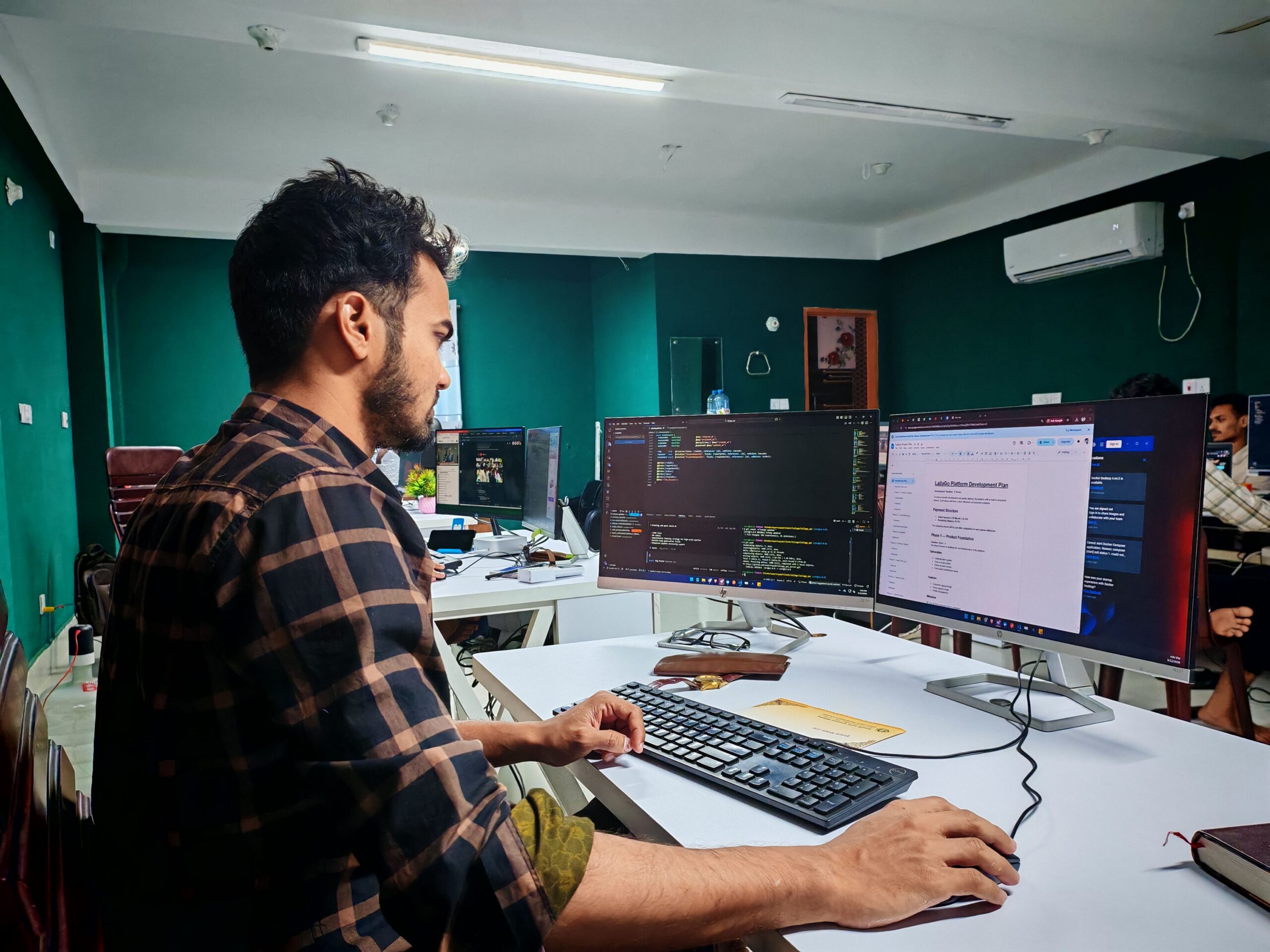
Operators from the Zamboanga Peninsula joined a two-day user workshop on 28 and 29 July, extending the programme beyond central system development and into regional training. The event brought together 27 participants for practical work covering vessel registration, voyage reporting, fuel-consumption data entry, energy analysis, emissions monitoring, and use of the platform.
MEDIAnS — Maritime Energy Demand Information Analysis Software — was developed by MARINA with the University of the Philippines Diliman and the Department of Science and Technology. It collects and analyses energy-consumption data from Philippine-registered domestic vessels to support operational assessment, greenhouse-gas reduction, and environmental protection.
The platform gives regulators and operators a common structure for examining how vessels consume fuel across voyages. That creates a basis for comparing performance over time, identifying unusual consumption, and testing whether operational changes produce measurable improvements.
Reporting becomes an operating tool
Fuel data is often available in fragments: bunker records, engine logs, noon reports, voyage plans, maintenance systems, and commercial schedules. A central platform can bring those records into a more consistent form, but its usefulness will depend on the quality, frequency, and comparability of information entered by operators.
The Zamboanga workshop concentrated on those practical requirements. Vessel registration establishes the asset being measured, voyage reports define the operating activity, and fuel-consumption entries provide the core energy data. Emissions monitoring and analytics then convert those records into information that can be reviewed by both companies and the regulator.
For domestic shipping businesses, the immediate value is likely to be operational rather than theoretical. Fuel is a major variable cost, and consumption can be affected by speed, route, weather, loading, hull condition, engine performance, waiting time, and port congestion. A reporting system cannot remove those factors, but it can make their effects easier to identify.
Reliable records can also improve maintenance decisions. A sustained increase in fuel use on comparable voyages may indicate fouling, machinery deterioration, inefficient operating practice, or a change in cargo and route conditions. The data still requires engineering interpretation, but it provides a clearer starting point than irregular spreadsheets or isolated voyage reports.
The programme also supports regulatory oversight. A common national dataset can help MARINA understand energy demand across vessel types and routes, assess where efficiency measures are producing results, and design policy around actual domestic operations rather than broad international averages.
Philippine domestic shipping includes varied vessel ages, sizes, propulsion arrangements, routes, cargo profiles, and port conditions. A measure suited to a large international container ship may not translate neatly to an inter-island passenger, ro-ro, or cargo service.
Data quality will determine the outcome
Support from 51 shipping companies gives MEDIAnS a meaningful starting group, but participation alone does not guarantee useful analysis. Operators need consistent definitions, trained users, validation checks, and procedures for correcting missing or implausible entries. Regulators, in turn, need clear rules on access, confidentiality, and the purposes for which company data may be used.
Digital reporting also creates an integration question. If MEDIAnS remains separate from onboard monitoring, maintenance, fleet-management, and commercial systems, staff may have to enter the same information several times. Interfaces and standard formats could reduce that burden, although automation must be balanced against the need to verify the accuracy of sensor and source data.
Shipping companies are already adopting more commercially focused voyage-analysis tools. StormGeo’s voyage-planning approach, for example, combines fuel, schedule, weather, and commercial considerations rather than treating consumption as an isolated technical figure. MEDIAnS operates in a regulatory and national-data context, but the underlying requirement is similar: energy information has to connect with real operating decisions.
The regional training model may prove as important as the software itself. Domestic operators vary in technical resources and digital maturity, so implementation will depend on whether crews and shore staff can use the platform without disrupting routine reporting. Practical workshops allow problems in terminology, workflow, and data entry to be found before they become embedded at larger scale.
MARINA’s next challenge is to convert support into sustained, comparable reporting. If the system can produce trusted data across different vessel classes and routes, it could strengthen both company fuel management and national maritime policy. If reporting becomes another administrative layer detached from operational decisions, the database will grow faster than its value.