IN Brief:
- SHIFFT will initially develop autonomous vehicle operations for ports and airports in Dubai.
- The venture combines Oxa Driver software, Oxa Hub fleet management, and hardware designed for existing vehicles.
- The partners have not yet disclosed the first customer, site, vehicle type, or fleet size.
Oxa and Dubai Future Foundation have formed a joint venture to deploy autonomous vehicles in ports and airports, with the first scalable commercial operation planned in Dubai before the end of 2027.
The venture, named SHIFFT, will combine self-driving technology with fleet management and worksite intelligence. Its initial focus is industrial transport inside controlled operating environments rather than passenger vehicles on public roads.
SHIFFT will use Oxa Driver, the company’s configurable autonomous-driving software, together with Oxa Hub, a cloud-based platform for supervising fleets and allocating tasks. Oxa’s hardware is designed for integration with existing industrial vehicles, potentially allowing operators to automate selected movements without replacing an entire fleet.
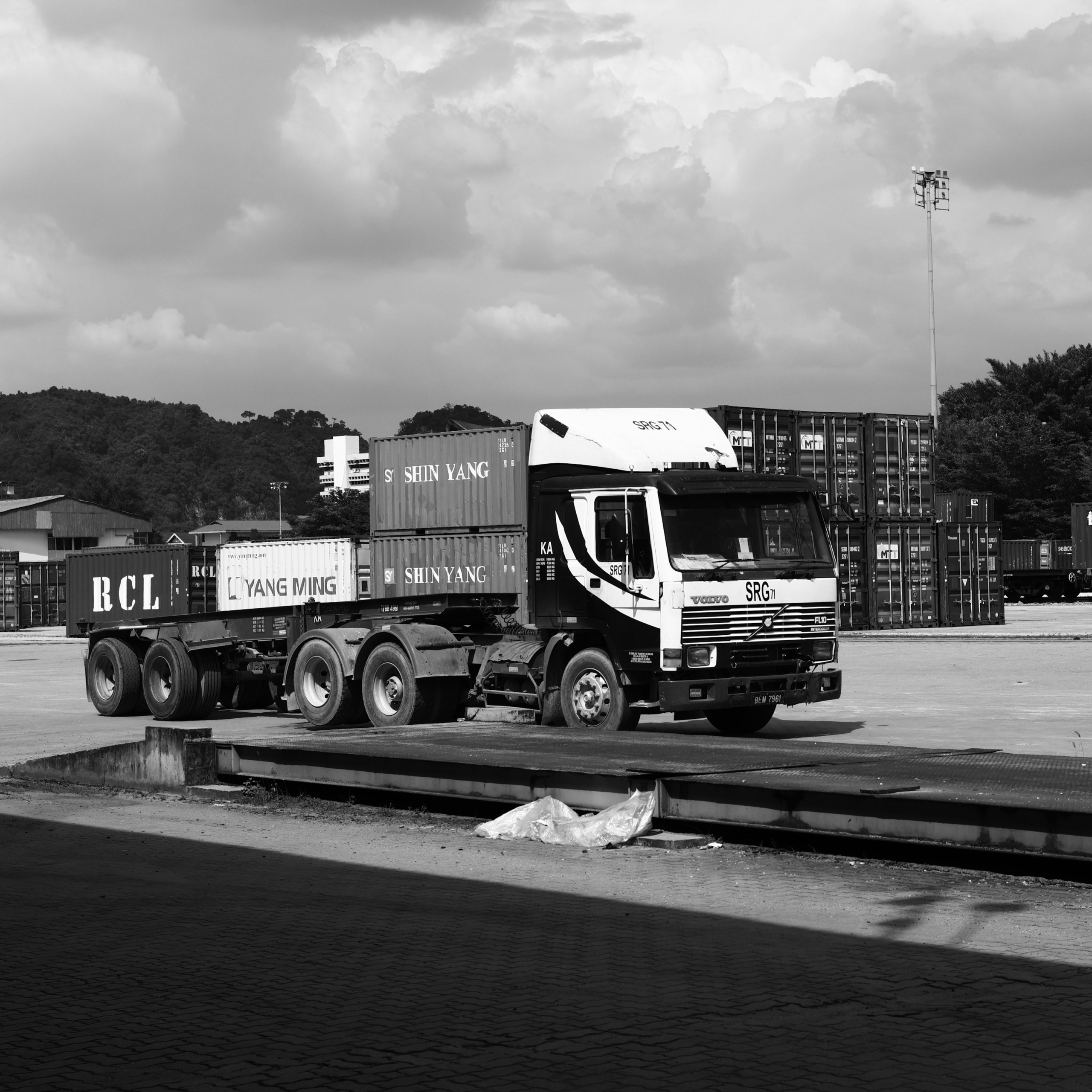
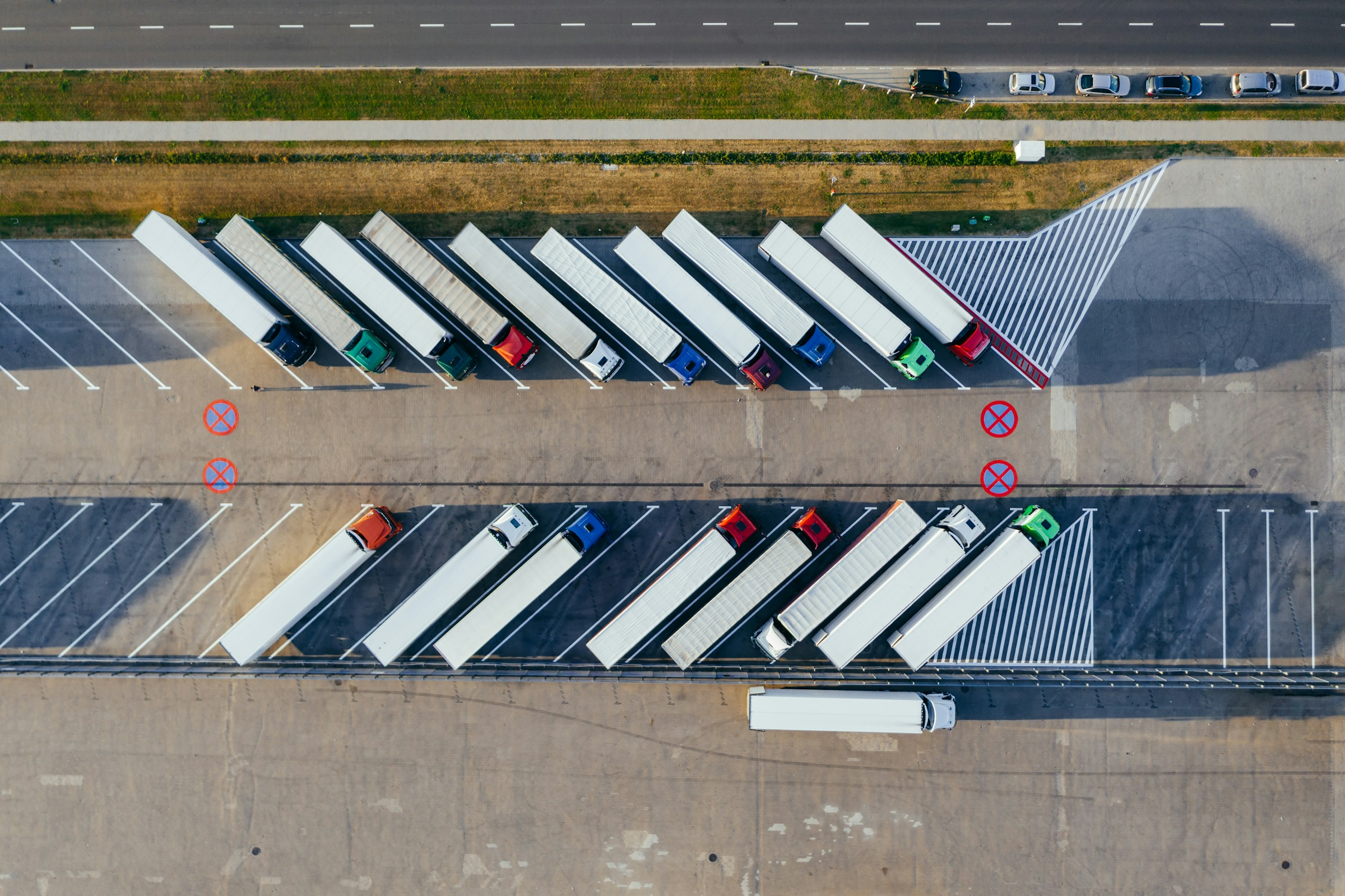
Ports and airports contain a broad range of repetitive transport tasks, including moving containers, trailers, baggage, freight, equipment, and supplies between fixed operational zones. These sites remain difficult operating environments — people, conventional vehicles, temporary work areas, weather, and security controls all affect movement — but many routes can be defined more tightly than journeys on public roads.
Khalifa Al Qama, chief of Dubai’s research, development, and innovation ecosystem at Dubai Future Foundation, said the venture was intended to develop “commercially viable solutions with real-world impact”. The programme forms part of Dubai’s wider ambition to double foreign-trade volumes by 2033.
The creation of a dedicated operating company moves the programme beyond a limited technology trial, although several commercial details remain open. The partners have not named the first customer, host site, vehicle type, fleet size, or contract value.
Those details will determine whether SHIFFT begins with a single repetitive movement or a more integrated operation involving several vehicle classes and logistics systems. A controlled route between two points presents a different engineering task from an airport or port fleet that must respond continuously to changing work priorities.
Oxa Driver provides the vehicle’s core driving capability, while Oxa Hub supports fleet supervision, task design, remote assistance, and integration with other operating systems. Safe movement is only one part of an industrial deployment. Vehicles must also receive work instructions, respond to asset availability, coordinate with employees and conventional equipment, and return accurate status data.
Paul Newman, founder and chief executive of Oxa, described the objective as turning ordinary work vehicles into “a digital workforce”. Commercial performance will depend on whether those vehicles can complete tasks predictably under normal site pressures rather than only under controlled demonstration conditions.
Industrial autonomy programmes usually begin with tightly defined routes and expand after operators have established safe procedures, maintenance responsibilities, exception handling, and workforce interfaces. A successful demonstration does not establish that a system can sustain thousands of daily movements alongside live operations.
Commercial deployment requires vehicle integration, site preparation, communications coverage, risk assessment, staff training, and clear procedures for obstructions and unusual events. The operating model must also define when remote support can intervene and when a vehicle must stop until an employee reaches it.
SHIFFT’s proposed use of existing fleets could reduce the capital requirement compared with wholesale vehicle replacement, but retrofitting introduces separate assurance demands. Steering, braking, sensing, power, controls, and communications must be integrated consistently, while maintenance teams need procedures that protect both the base vehicle and the autonomy system.
Different vehicle types may also require separate validation. A baggage tractor, terminal truck, service vehicle, and container-moving platform have different loads, braking characteristics, visibility constraints, and operating patterns, even when they use the same underlying software.
The fleet-management platform will need to connect with terminal, warehouse, yard, or airport systems rather than function as an isolated technical layer. Autonomous vehicles add operational value when they act on existing work instructions and return usable status information without creating another dashboard that employees must reconcile manually.
Dubai gives SHIFFT access to a concentrated market containing major maritime, aviation, free-zone, and distribution operations. It also provides controlled industrial sites where commercial deployment can be developed within a local regulatory and investment framework.
The 2027 deadline leaves time to select an application, integrate vehicles, and complete site assurance, but it also creates a clear measure of progress. The next substantive milestones will be a named operating site, defined vehicle tasks, and a contracted deployment rather than another technology demonstration.