IN Brief:
- Arup and WSP have joined the integrated project team planning rail infrastructure for the future Westport container terminal.
- Works cover a new port connection, roughly eight kilometres of track duplication, level-crossing removal, and North Lake Road grade separation.
- Westport modelling targets a rise in container rail share from around 20% to approximately 30% when the Kwinana terminal opens.
Westport has moved its freight rail programme into detailed planning, with Arup Australia Projects and WSP Australia appointed to work alongside Main Roads Western Australia and the Public Transport Authority on infrastructure supporting the future Kwinana container terminal.
The programme includes a new freight connection linking the port to the existing network east of Rockingham Road, duplication of roughly eight kilometres of track between Kwinana and Cockburn, removal of existing level crossings, and a new grade separation at North Lake Road in South Lake.
A short section of single track at Kewdale is also included in the planning work. The combined package is intended to increase capacity and operational flexibility as Western Australia prepares to transfer container operations from Fremantle Inner Harbour to the new port.
The Australian and Western Australian governments have committed A$67 million to planning and development work covering roads, freight-rail duplication, and level-crossing removals associated with Westport. The current phase includes reference design, geotechnical and environmental investigations, construction planning, and regulatory approvals.
The rail programme has to be developed well ahead of the terminal because the existing network has limited scope to absorb substantially higher container volumes without intervention. Fremantle’s single-line freight route is expected to reach capacity during the mid-2030s if the network remains broadly unchanged.
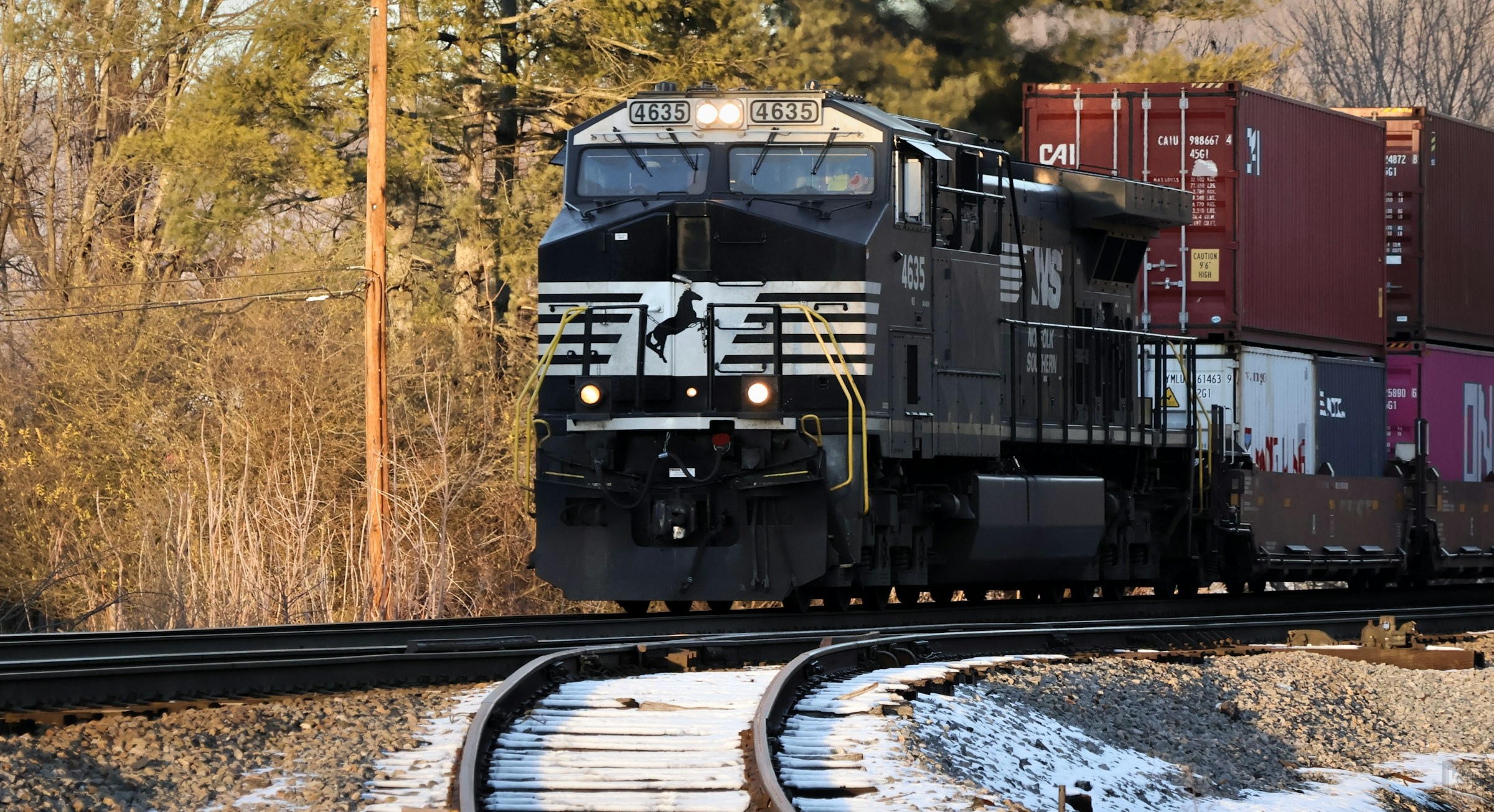
Rail currently carries around 20% of containers through Fremantle Inner Harbour, which Westport describes as the highest container rail share in Australia. The existing port handles approximately 850,000 TEU each year, generating around four to five container-train round trips on an average day.
Westport’s preliminary modelling raises the target rail share to about 30% when container operations move to Kwinana. Forecast growth in overall trade means that higher percentage could translate into approximately six to seven train round trips on an average day once the new terminal is operating in the late 2030s.
The project therefore combines extra track with changes to the way freight crosses the metropolitan road network. Removing level crossings and replacing the North Lake Road crossing with grade-separated infrastructure should reduce conflicts between freight trains, road traffic, pedestrians, and cyclists as rail frequencies rise.
An on-dock rail head is also part of Westport’s preferred supply chain design. Direct rail access within the container terminal reduces the need to move boxes by road between the quay and a remote rail facility, shortening one of the handling interfaces that can erode rail’s efficiency advantage.
The planned connection between the terminal and the existing network is around five kilometres long and is intended to be separated from other road and rail infrastructure. That geometry gives the port a dedicated route into the wider freight system before trains join corridors serving Perth’s industrial and intermodal areas.
Container rail capacity is only useful when the inland network can accept the resulting trains. Westport is therefore planning for future improvements around established intermodal terminals, including Kewdale, as demand develops, rather than treating the new port connection as an isolated piece of infrastructure.
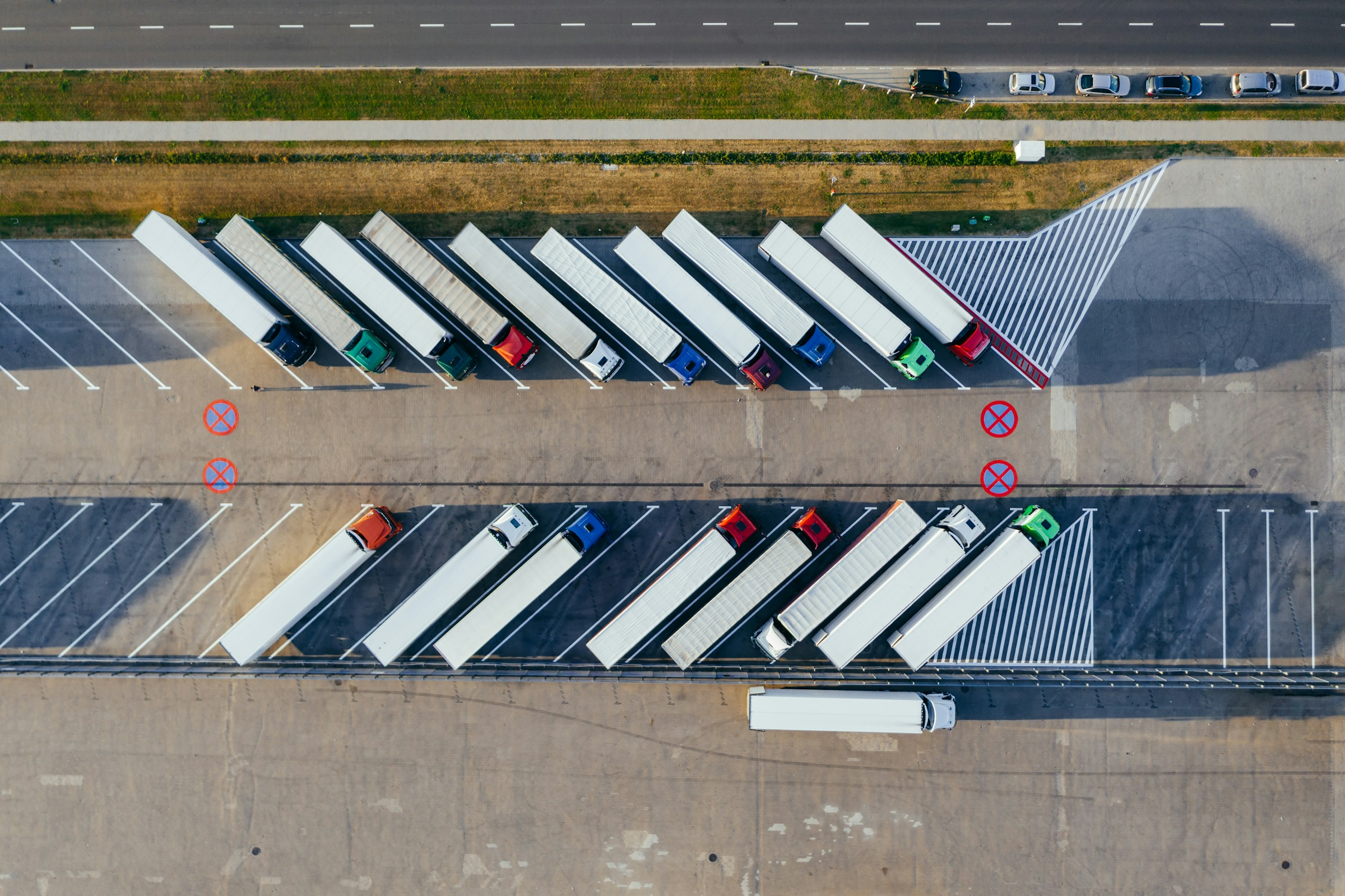
The operating consequences extend into road freight as well. Increasing rail’s share does not remove trucks from the supply chain — most containers will still require a road leg somewhere — but it can reduce the number of long-haul or cross-metropolitan truck movements generated directly by the port.
Depot location, train paths, terminal cut-off times, container availability, and the timing of road collections will all influence whether the model achieves its proposed 30% share. A rail connection built to adequate physical capacity can still be underused if commercial schedules or inland handling arrangements make trucking faster or simpler.
Planning during 2026 is intended to resolve those engineering and operating details before major construction decisions are made. Community consultation, noise assessment, site investigations, and detailed engineering design form part of the multi-year definition stage.
Construction is expected later in the decade or during the early 2030s, subject to approvals and investment decisions, while the new port and supporting rail upgrades are targeted for operation in the late 2030s. The long lead time reflects the amount of enabling infrastructure required before a container ship can be diverted from Fremantle without simply transferring congestion from the waterfront to the inland network.