IN Brief:
- Maersk will run Columbia Sportswear's UK and Ireland pick-and-pack operation from its Tamworth multi-customer warehouse.
- The five-year contract covers about 8,000 sqm, approximately 1.6 million annual inbound and outbound units, and 25,000 SKUs.
- Moving fulfilment from France to Britain places inventory closer to Columbia's UK retail, wholesale, and e-commerce customers.
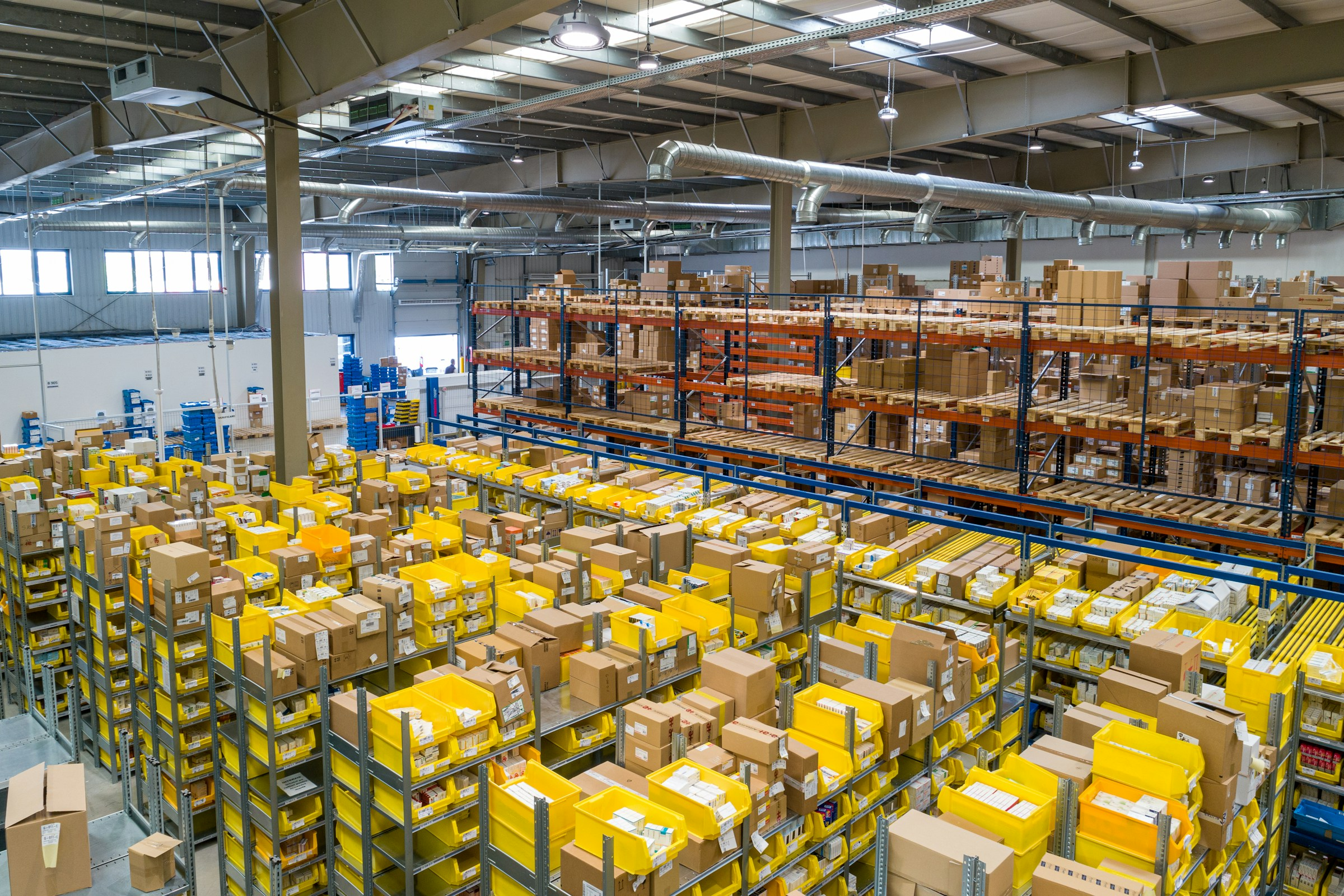
Maersk will operate Columbia Sportswear’s UK and Ireland pick-and-pack activity from its multi-customer warehouse at Tamworth under a five-year agreement that moves the brand’s fulfilment operation closer to its British and Irish customers.
The dedicated area will cover approximately 8,000 square metres and initially handle around 1.6 million inbound and outbound units each year. Inventory will comprise roughly 25,000 SKUs across footwear, apparel, accessories, and equipment.
The operation will serve Columbia’s retail, wholesale, and e-commerce channels from the same location. Maersk will also provide customs handling, inland transport, cross-docking, and final-mile distribution for retail and wholesale consignments.
The most important structural change is the relocation of the market-facing inventory. Columbia currently serves the UK and Ireland from Cambrai in France, while the Tamworth arrangement establishes a dedicated stockholding and fulfilment operation inside the British market.
That does not remove the international border from the supply chain. Imported inventory still has to reach Britain, and customs processes remain relevant, but moving stock in planned upstream replenishment loads is operationally different from leaving the border crossing embedded closer to each customer order.
A local inventory position gives Columbia more control over cut-off times and downstream transport. Orders can be released from a warehouse near Birmingham without first depending on an international trunk movement from northern France, reducing one source of lead-time variability for the British market.
The annual volume also explains why a dedicated operation is practical. Around 1.6 million inbound and outbound units provides enough activity to justify tailored labour planning, storage, packing, and value-added processes while remaining inside a multi-customer building rather than requiring a separate distribution centre built solely for Columbia.
The 25,000-SKU range creates more complexity than the floor area suggests. Apparel and footwear inventories contain combinations of size, colour, style, season, and product family, which can produce many low-volume stock positions alongside a smaller number of fast-moving lines.
Storage design and inventory accuracy therefore become central to throughput. A warehouse can have adequate pallet or shelving capacity but still lose productivity if pickers travel too far, product locations are poorly balanced, or seasonal stock occupies the wrong parts of the building.
Multi-channel fulfilment adds another layer. Wholesale and retail replenishment tends to create larger order lines and planned despatch windows, while e-commerce produces smaller picks, more individual packing, and sharper peaks around promotions and seasonal demand.
Running those channels from a common stock pool can reduce duplicated inventory, but only if warehouse-management processes can allocate products accurately without one channel consuming stock or labour needed by another.
Tamworth’s location near Birmingham places the operation inside one of Britain’s established logistics corridors, with motorway access and a large base of warehouse and transport activity. Maersk already operates the building, allowing the Columbia contract to use existing infrastructure rather than waiting for a new warehouse development.
The agreement also illustrates the continued move by major shipping and forwarding groups into inland contract logistics. Maersk’s offer now extends from international freight into customs, warehousing, road distribution, and fulfilment, increasing the proportion of the supply chain controlled through one provider.
For customers, integration can reduce handovers between separate suppliers, but it also concentrates more operational dependency with the same logistics partner. The commercial test is whether coordination between international transport, customs, stockholding, and final distribution produces enough benefit to outweigh that concentration.
The five-year term gives both parties time to redesign processes around the local operation rather than treat Tamworth as temporary overflow. It also gives Maersk a predictable volume base within an existing multi-customer facility, improving warehouse utilisation without committing a complete building to a single occupier.
Operations begin with the stated 1.6 million annual unit movements. If Columbia’s UK business continues to grow, the next capacity constraint may not be the lease area itself but how much additional throughput can be obtained from slotting, labour, systems, and automation before more physical space is required.