IN Brief:
- The US Army Corps of Engineers has issued the federal permit authorising construction of Louisiana International Terminal.
- The Lower Mississippi site avoids bridge-height restrictions and is being designed for container ships exceeding 16,000 TEU.
- Six Class I rail connections, four interstate systems, and inland-waterway access form a central part of its distribution strategy.
Port of New Orleans has secured the federal permit authorising construction of the Louisiana International Terminal, clearing a major regulatory hurdle for the planned container gateway at Violet on the Lower Mississippi River.
The US Army Corps of Engineers approval moves the project beyond the environmental and permitting phase into physical delivery. Port NOLA and its private-sector partners can now progress construction planning for a greenfield terminal intended to add deepwater container capacity below the bridge restrictions affecting existing facilities further upriver.
The location is central to the project’s commercial case. Large container ships now regularly exceed 16,000 TEU, while vessels of that scale cannot reach Port NOLA’s existing container terminal because of the fixed clearance of the Crescent City Connection bridges.
Building at Violet removes that air-draft constraint. The proposed terminal sits on naturally deep water closer to the Gulf, allowing larger ships to reach the berth without having to pass underneath the bridges that limit vessel size at the current container operation.
Port NOLA is developing the project with Terminal Investment Limited and Ports America. The public-private structure combines the port authority with terminal operators that have direct exposure to international liner networks, equipment planning, and the operating requirements of large container exchanges.
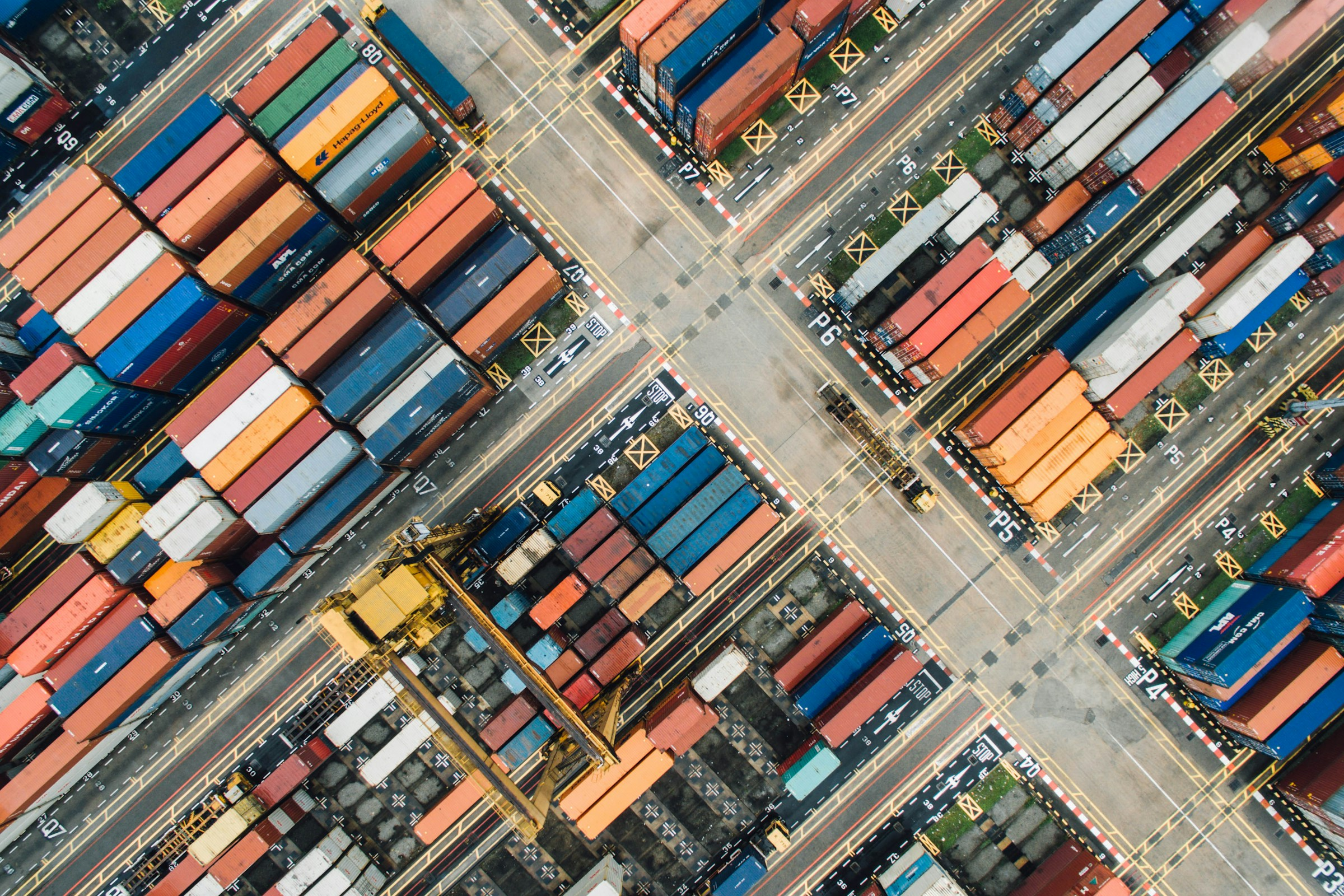
The permit is significant because modern port capacity is determined by more than quay length. Larger ships concentrate thousands of container moves into individual calls, putting pressure on cranes, stacking areas, gate operations, rail transfers, roads, and the inland depots that have to absorb cargo once it leaves the waterfront.
Louisiana International Terminal is therefore being planned around multimodal connectivity as well as marine access. The site will connect through the New Orleans Public Belt Railroad to six Class I railroads, giving cargo access to national rail networks without relying exclusively on long-distance trucking.
Four interstate systems form another part of the intended landside network, while the Mississippi River provides access to around 14,500 miles of inland waterways serving 31 states. Port NOLA identifies more than 30 inland hubs, including Dallas, Memphis, and Chicago, within the wider distribution proposition.
That combination matters because the economic reach of a container port depends heavily on how far imported and exported cargo can move competitively inland. A vessel may save money by calling at a deeper terminal, but those gains can disappear if containers encounter poor rail connections, long truck queues, or expensive transfers after discharge.
The funding structure is similarly broad. Current project information records commitments exceeding $500 million from Port NOLA, $180 million from the Louisiana Legislature, around $800 million from private partners, and federal transport grants worth $74 million and $226 million.
Those commitments reflect the scale of work required before the terminal becomes operational. A greenfield container port needs marine structures, cranes, yard pavement, road and rail connections, electrical infrastructure, drainage, security systems, customs facilities, and the technology required to coordinate vessel, yard, gate, and inland transport activity.
The federal permit does not remove the delivery risk associated with that programme. Construction costs can shift during a multiyear project, major handling equipment has long procurement lead times, and road and rail infrastructure has to be ready early enough that new berth capacity does not create a bottleneck outside the gate.
Port NOLA’s project timetable anticipates phased openings rather than waiting for every element of the ultimate terminal to be completed simultaneously. That provides an opportunity to bring initial capacity into use while subsequent sections are developed around actual cargo demand.
The approach also reduces the risk of building the entire maximum-capacity terminal before liner customers and inland flows have matured. Container infrastructure has long asset lives, and matching capacity growth to genuine demand is more useful than simply delivering the largest possible yard at the earliest possible date.
Resilience is another part of the location decision. The Violet site sits behind 100-year hurricane protection, while its rail, road, and waterway connections provide several routes for cargo moving beyond the port. Those features will matter if the terminal is to function as national rather than purely regional infrastructure.
The permit shifts attention from whether Louisiana International Terminal can be built to how effectively it can be delivered. For shippers, the relevant performance measures will eventually be vessel access, crane productivity, container dwell, rail availability, gate times, and total inland cost — not the size of the ships shown in project renderings.