IN Brief:
- European logistics leasing reached 14.01 million sq m in H1 2026, up 20.5% year-on-year.
- Italy and Spain recorded particularly strong growth, while French take-up rebounded sharply during Q2.
- Inventory buffers, diversified sourcing, nearshoring, and network consolidation are influencing the type and location of space occupiers require.
Savills recorded 14.01 million square metres of European logistics leasing activity during the first half of 2026, a 20.5% year-on-year increase as occupiers continued to reshape distribution and inventory networks.
Growth varied considerably between markets. Italy recorded a 56.9% annual increase in take-up and Spain rose 62.8%, while France rebounded sharply during the second quarter with leasing activity 154% above the preceding three months.
The increase does not represent straightforward warehouse expansion across every market. Savills says occupiers are consolidating some portfolios into fewer, larger, and more efficient facilities while also responding to geopolitical disruption, freight costs, longer lead times, and sourcing risk.
A company can therefore sign for a substantial new distribution centre while closing several older buildings. That produces leasing activity without necessarily creating an equivalent increase in total occupied floor space.
The distinction reflects a wider change in network design. Warehouses are increasingly being selected according to the role they perform within a supply chain rather than simply because a company needs additional storage capacity.
Manufacturers and distributors holding more inventory inside Europe require facilities positioned to support those buffers. Others are shifting sourcing patterns, using nearshoring or more diversified supplier bases to reduce dependence on long-distance routes exposed to geopolitical or shipping disruption.
Those decisions alter the geography of logistics demand. A property that worked well for a lean import model may be less suitable when the occupier needs more regional stock, different port access, additional automation, or stronger links to several manufacturing and consumer markets.
Location quality consequently depends on more than motorway proximity and rent. Power availability, labour access, yard depth, loading configuration, building height, automation readiness, and alternative transport routes can influence whether a warehouse remains useful as the network around it changes.
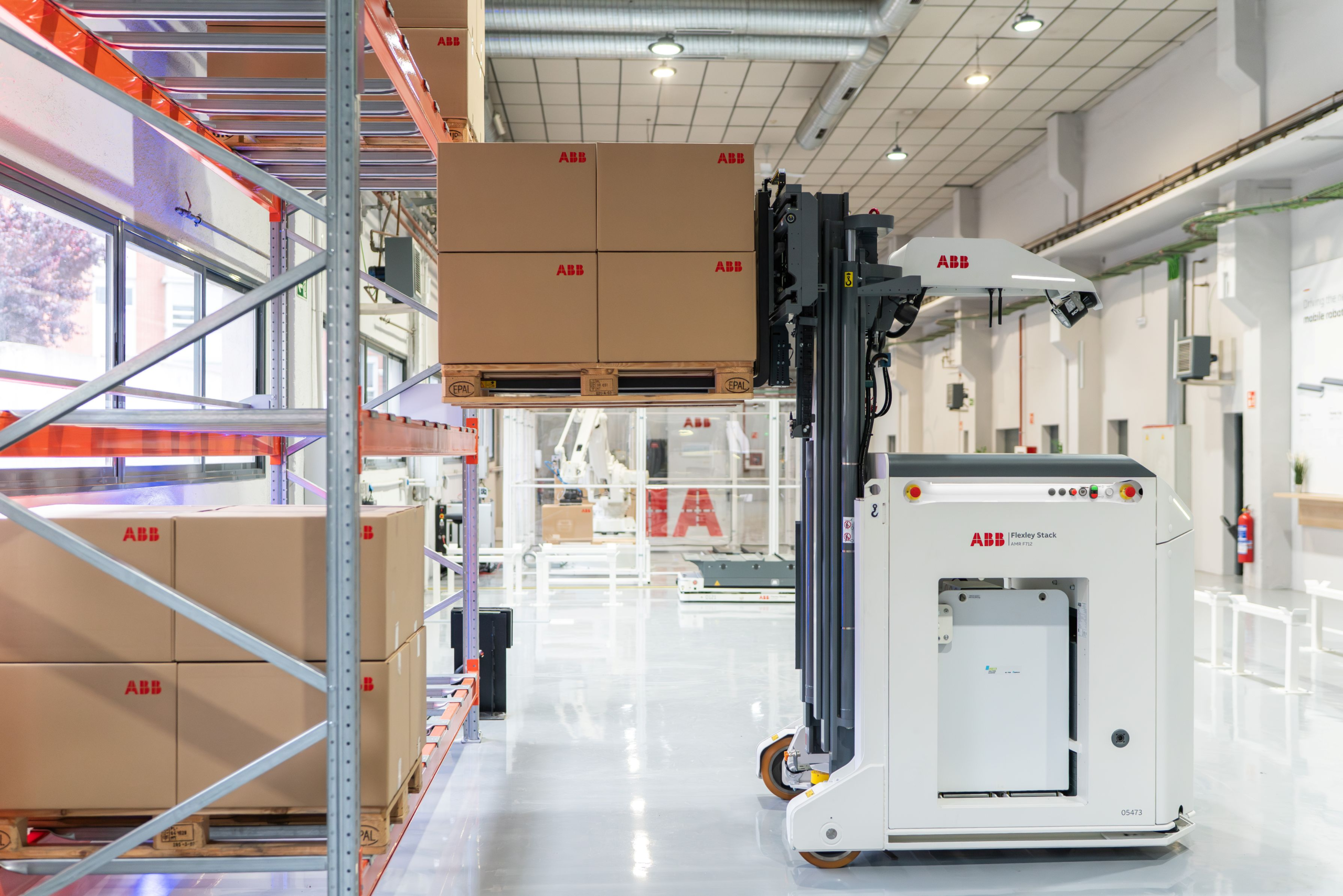
Consolidation into larger buildings can reduce duplicated handling and make automated systems easier to justify. Conveyors, robotics, sortation equipment, warehouse management software, and high-density storage become more economical when sufficient throughput passes through the same site.
The trade-off is greater concentration risk. Moving inventory and order processing from several buildings into one larger facility increases the consequences of a power failure, fire, flood, systems outage, industrial action, or transport disruption at that location.
Resilience-led property decisions therefore do not automatically mean spreading inventory across the maximum number of warehouses. Businesses are balancing the redundancy provided by multiple sites against the efficiency and capital advantages available from larger consolidated operations.
Inventory policy is another driver. Longer shipping lead times and repeated transport disruption have encouraged some occupiers to hold greater buffers inside Europe, moving parts of their operating model away from the leanest possible just-in-time approach.
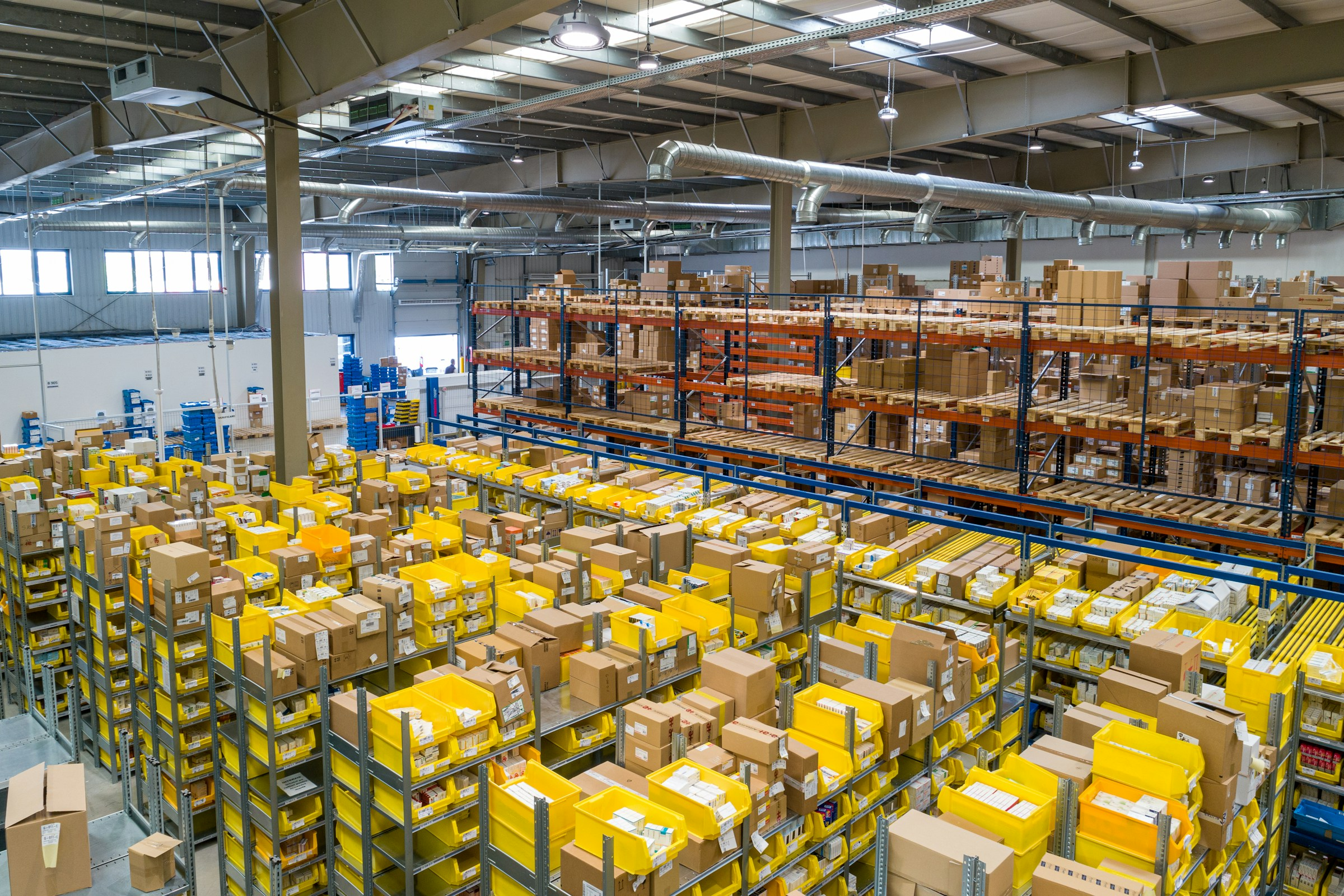
More inventory requires more storage, but it also increases working-capital requirements and the risk of products being held in the wrong place. Warehouse demand is consequently being shaped by the relationship between service risk, stock cost, transport reliability, and property availability rather than by cargo volumes alone.
The investment market is responding selectively. European industrial and logistics investment volumes reached €18.7 billion during the first half, comfortably ahead of the three-year H1 average.
Higher interest rates, geopolitical uncertainty, and financing pressure continue to influence buyer behaviour, with capital favouring secure income, higher entry yields, and assets that have a clear occupational purpose. Investors are consequently placing greater weight on whether a building remains useful to occupiers under changing network requirements.
Modern assets in constrained locations with strong transport links can retain an advantage even when financing costs are high. Older buildings become harder to justify where substantial investment is required to improve energy performance, loading arrangements, automation capability, or power infrastructure.
Occupiers are also seeking more lease flexibility in some markets. Shorter agreements can make it easier to alter a network when sourcing patterns or transport costs change, although that flexibility conflicts with investors’ preference for long, predictable income streams.
The 20.5% increase in leasing activity therefore sits between two different pressures. Companies want logistics networks capable of absorbing more uncertainty, while property owners and lenders still need facilities to generate dependable long-term returns.
Italy, Spain, and the French second-quarter rebound demonstrate that the recovery is visible across several large markets, but the type of demand is changing. New leases increasingly reflect decisions about consolidation, inventory protection, sourcing, automation, and transport risk rather than a uniform requirement for more warehouse space.
Whether that pattern persists will depend on how long current trade and geopolitical disruption lasts. Facilities committed now will remain part of occupiers’ networks long after the immediate freight cycle changes, making today’s resilience decisions a structural part of European logistics property rather than a short-lived response to one difficult shipping season.