IN Brief:
- Bakers Basco recovered 81 Omega baskets and one dolly from unauthorised locations on the Isle of Wight.
- Its first Isle of Man investigation in 18 years recovered 253 baskets and seven dollies.
- More frequent Isle of Man visits are planned to improve awareness and keep reusable equipment within the bakery supply chain.
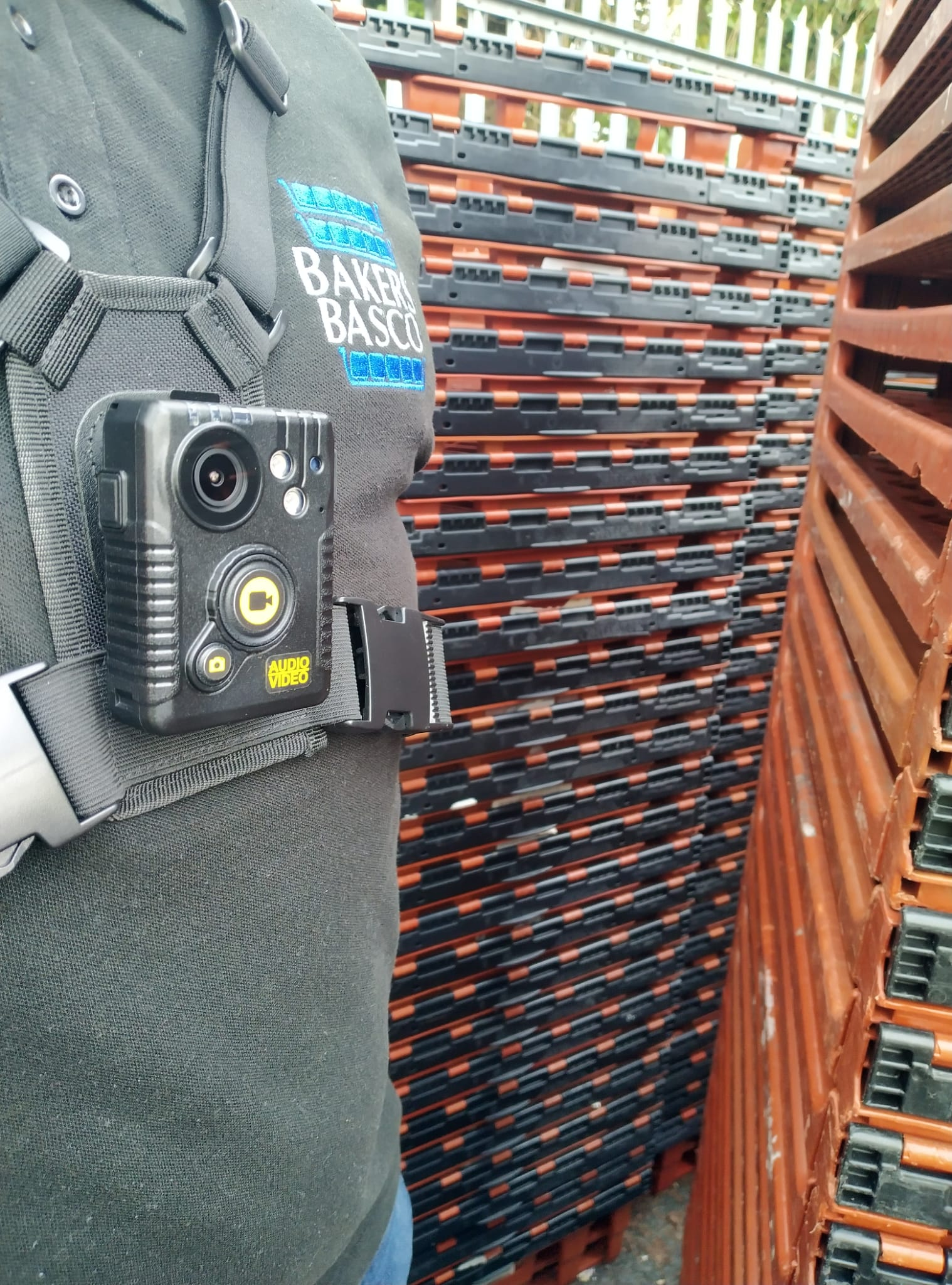
Bakers Basco has resumed operational investigations on the Isle of Man and Isle of Wight for the first time in almost two decades, recovering more than 340 reusable bakery baskets and dollies from unauthorised or unsecured locations. The visits form part of an effort to keep equipment circulating through the bakery supply chain rather than leaking into secondary use.
Investigators recovered 81 Omega baskets and one Omega dolly on the Isle of Wight. The team also found that most equipment delivered to retailers was moving back to the mainland through the correct channels, suggesting that the return system is broadly functioning while specific pockets of misuse remain.
The first Isle of Man visit in 18 years resulted in a substantially larger recovery: 253 Omega baskets and seven dollies were collected from unsecured locations. Bakers Basco also found lower awareness of its role among businesses on the island, a predictable consequence of the long period without regular investigations.
Reusable transit equipment only creates value when the return journey works. Baskets, trays, pallets, cages, and dollies are intended to perform repeated delivery cycles, spreading their purchase and environmental cost across many journeys. Once an asset disappears from the authorised network, its owner loses not only the item but every future trip it could have completed.
That makes equipment leakage an operational problem rather than simply a matter of property loss. Bakeries need enough baskets and dollies in the right places to load orders, move product through depots, and replenish retailers. Missing equipment can force operators to buy additional assets or rebalance stock between locations simply to maintain normal distribution.
The effect becomes more visible in high-frequency food networks. Bakery products move continuously, often with short shelf lives and regular store deliveries, so packaging and handling equipment has to turn quickly. A basket retained outside the network may look insignificant in isolation, but thousands of similar losses gradually reduce the pool available for daily operations.
Island logistics adds another complication because equipment has fewer routes through which to return. Baskets delivered to the Isle of Man or Isle of Wight need to find their way back through ferry and mainland distribution systems. Once units are diverted into unauthorised use, the normal reverse flow can be broken for long periods.
Bakers Basco’s investigations team is intended to identify those breaks. The organisation traces equipment, visits sites where baskets or dollies are believed to be held, recovers assets where appropriate, and explains ownership and return requirements to businesses using the equipment.
That engagement matters because misuse does not always begin with a deliberate attempt to steal an asset. Durable bakery baskets are useful storage items, and businesses outside the authorised supply chain may acquire them without understanding how the pooling system operates. Regular contact can therefore prevent some losses without relying solely on enforcement.
The distinction between the two islands is useful. On the Isle of Wight, investigators found good return practice across much of the retail network alongside specific unauthorised holdings. That suggests a targeted recovery problem rather than a need to redesign the whole return process.
The Isle of Man presents a different picture. An 18-year gap between operational visits has left Bakers Basco needing to rebuild awareness as well as retrieve equipment. The company intends to increase the frequency of future visits, applying the same principle it says has improved recovery performance in Northern Ireland.
More regular investigation shortens the time between an asset disappearing and its owner identifying where it has gone. That matters because reusable equipment tends to disperse further the longer it remains outside the intended network, making recovery more costly and reducing the likelihood that businesses recognise the original owner.
Asset visibility technology can support that work, but physical recovery remains necessary where equipment has already left authorised custody. Tracking can indicate unusual movement or identify concentrations, yet somebody still needs to investigate why units are at a location and restore them to the operational pool.
Reverse logistics is frequently less visible than outbound delivery because the returning asset carries no customer order. The equipment nevertheless remains essential to the next outbound cycle. A delivery network that sends bread reliably to retailers but fails to recover the baskets is gradually consuming its own handling capacity.
The 340-plus items recovered during the two visits can now return to productive service. The more useful longer-term measure will be whether future trips recover fewer assets because awareness and control have improved. Bakers Basco’s return to the islands therefore turns a recovery exercise into an ongoing supply-chain discipline: identify leakage early, restore equipment to the pool, and keep reusable assets moving through the network they were bought to serve.