IN Brief:
- NÖM is standardising logistics management at Guntramsdorf and Baden on SAP EWM implemented by KNAPP.
- The new Baden high-bay warehouse has eight aisles and approximately 26,000 pallet positions, with SAP EWM MFS communicating directly with automation PLCs.
- Commissioning of the automated high-bay store with SAP EWM MFS is scheduled for Q1 2027.
Austrian dairy producer NÖM is standardising warehouse management across its Baden and Guntramsdorf operations using SAP EWM, linking production, storage, and automated material flow ahead of commissioning a new 26,000-pallet high-bay warehouse.
The project is being implemented by KNAPP IT Solutions as part of a wider automation programme at NÖM, which processes more than 1.5 million kilograms of milk each day from around 2,200 regional contract farmers and employs approximately 1,300 people.
NÖM is using SAP Extended Warehouse Management with Material Flow System functions as both its warehouse-management and warehouse-control environment, creating a common software architecture across facilities with very different levels of automation.
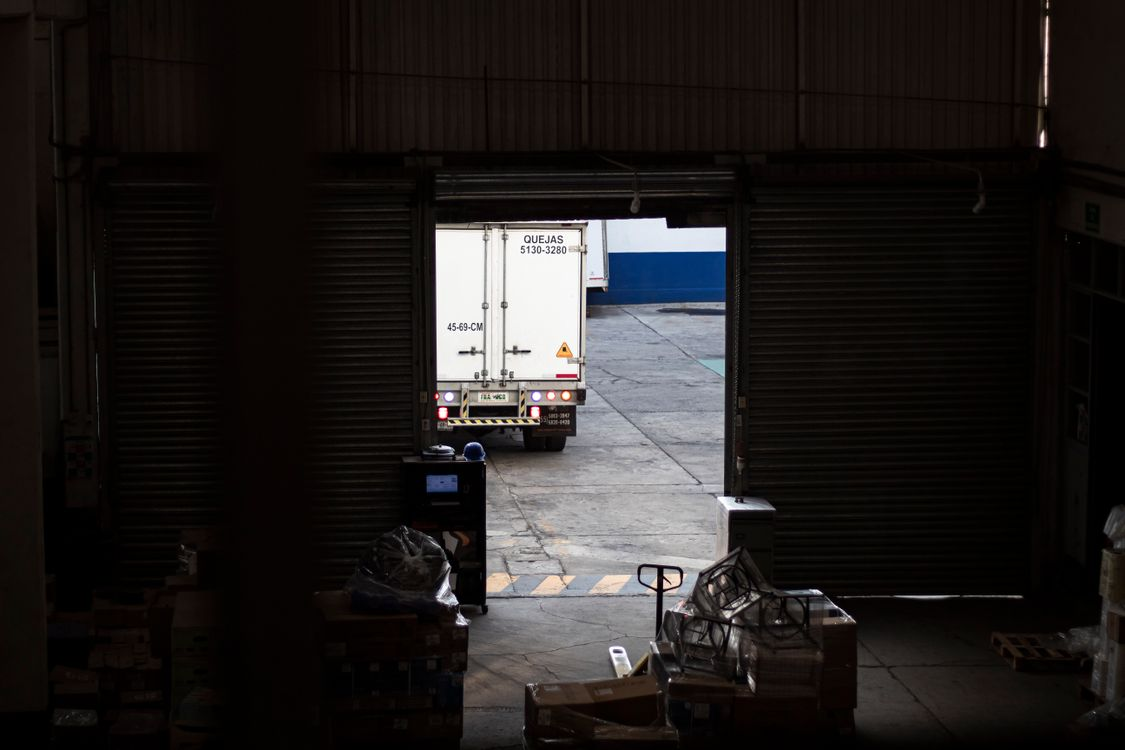
The first phase was completed at Guntramsdorf, a manual warehouse where customers and countries were transferred progressively onto the new system. Since May 2025, SAP EWM has controlled logistics processes across the operation from goods receipt through to dispatch.
Starting with the less automated site allowed NÖM to establish workflows, master data, user knowledge, and system processes before moving into the more complex production environment at Baden. That phased approach reduces the risk associated with replacing warehouse software while a 24-hour manufacturing operation continues to run.
The Baden deployment followed with integration of two expanded production lines. Since June 2026, SAP EWM has handled automated receipt of finished pallets, temporary storage, and demand-led transfer to additional warehouse locations.
That interface is critical in dairy production because the warehouse cannot be considered separately from the factory. Finished product leaves processing and packaging continuously, and any failure to create storage locations or move pallets away from the line can eventually constrain production upstream.
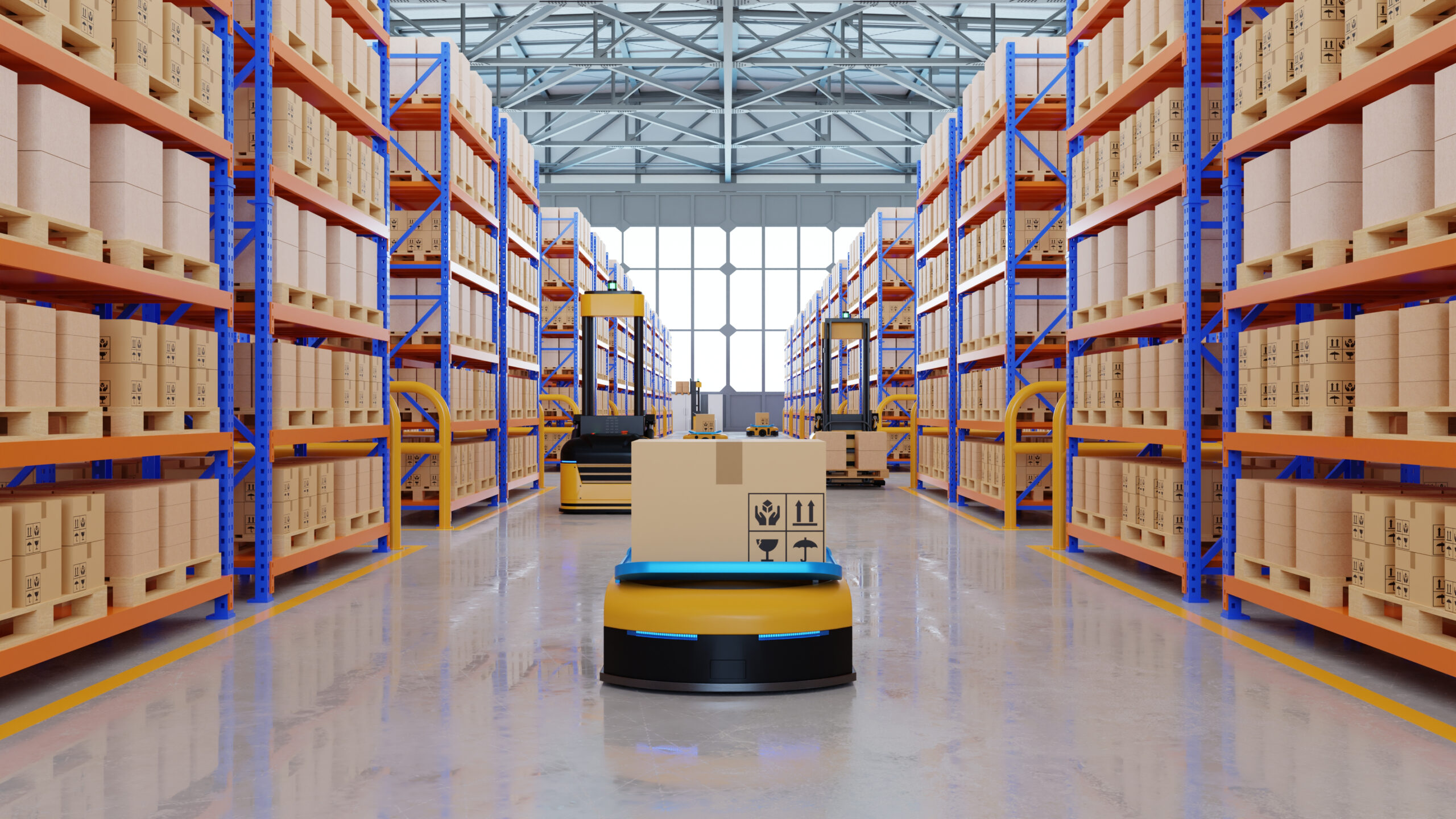
The next step is the new fully automated high-bay warehouse at Baden. The installation contains eight aisles and around 26,000 pallet positions, materially increasing the site’s physical storage capacity.
SAP EWM MFS will communicate directly with the programmable logic controllers controlling the automation. The architecture allows NÖM to dispense with an additional middleware layer between the warehouse-management system and machinery, giving the SAP environment a direct role in material-flow execution.
Conventional automated warehouses often divide those functions. The WMS decides what inventory needs to move, while a separate warehouse-control system translates those decisions into tasks for conveyors, cranes, shuttles, and other equipment.
Reducing that separation can simplify interfaces and give operators a more continuous view of the process, but it also increases the importance of configuration and testing. When enterprise software communicates directly with automation controls, inventory data, task logic, and equipment status have to remain aligned continuously.
The requirement is particularly strict for food. Batch information, production time, shelf life, stock rotation, and customer-specific requirements affect which pallet should be selected, where it should be stored, and when it needs to leave.
An automated crane cannot compensate for poor inventory records by recognising a misplaced pallet in the way an experienced warehouse operative sometimes can. The control environment has to know exactly what is stored in each location and whether that stock is suitable for the next order.
Phased commissioning gives NÖM time to prove those interfaces before the high-bay system assumes its full role. The company already has SAP EWM managing flows from production at Baden, meaning the new automated store can be added to an operating software landscape rather than introduced simultaneously with an entirely new WMS.
KNAPP is also providing a 24/7 SAP EWM service desk covering both sites. Continuous support is significant because warehouse software becomes production-critical once automated storage and material transport depend on it throughout the day.
Mechanical availability alone is no longer enough. A stacker crane can be technically serviceable while the warehouse remains unable to move product if the control software, interfaces, or inventory data are unavailable.
The high-bay store with SAP EWM MFS is scheduled to enter service in the first quarter of 2027. The months before go-live will therefore involve integration, testing, commissioning, and progressive validation of the material-flow logic against real production requirements.
The project reflects the broader convergence of warehouse software and automation. As storage becomes denser and material movement more mechanised, the WMS increasingly determines whether the physical capacity installed by an engineering project can actually be used efficiently.
NÖM is applying that model in an environment where freshness and uninterrupted production give system errors a short route to operational consequences. The eight aisles and 26,000 pallet positions provide the visible capacity investment; the less visible challenge is making software, inventory data, and machinery behave as one system every hour of the week.