IN Brief:
- RSGT and CMA CGM have signed definitive agreements to develop Jeddah Islamic Port’s Terminal 4.
- Initial investment of about $434 million will add up to 2.6 million TEU of annual capacity.
- Deep-water berths and ten ship-to-shore cranes will support larger container vessels and services.
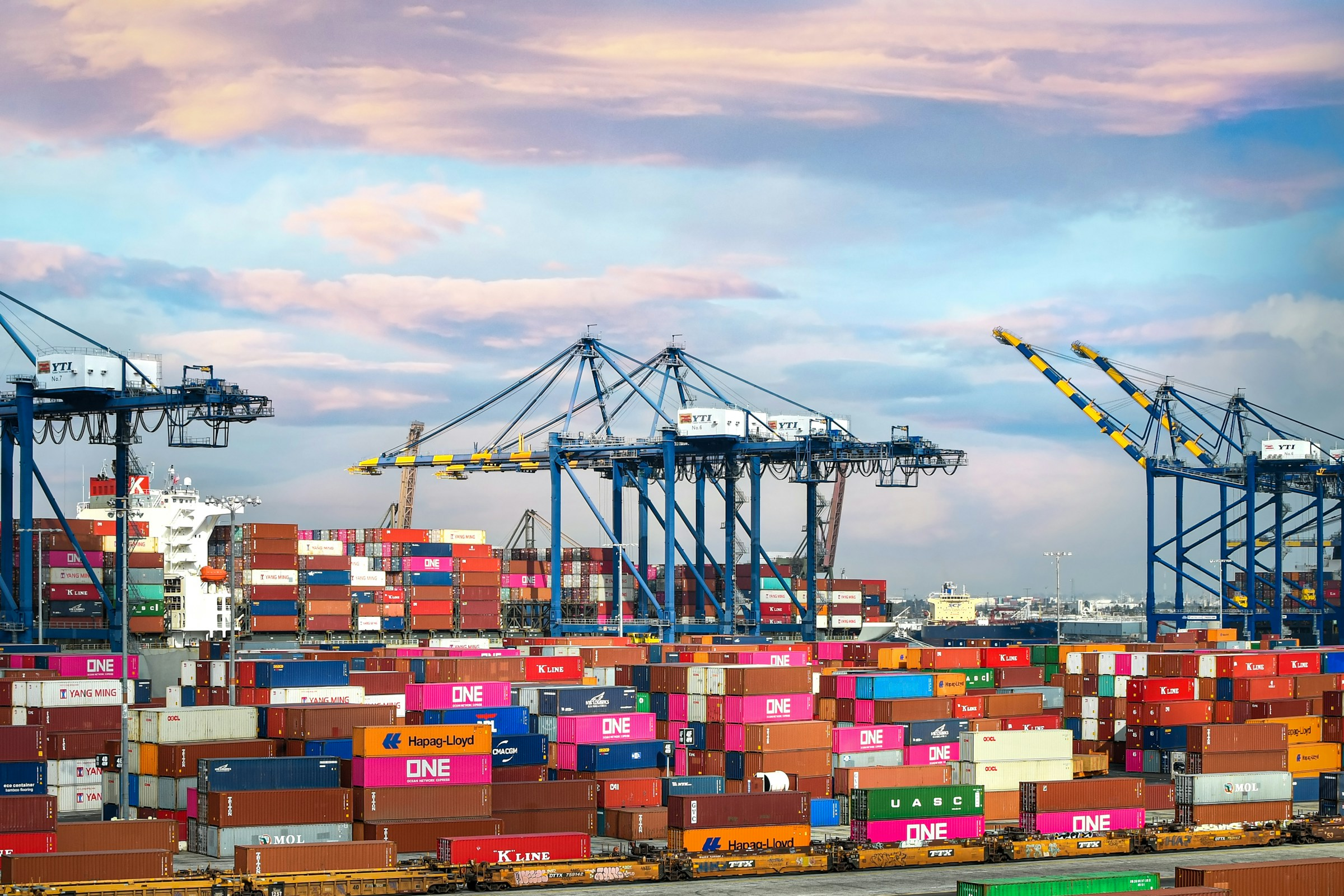
Red Sea Gateway Terminal and CMA CGM have signed definitive agreements to jointly develop and operate Terminal 4 at Jeddah Islamic Port, committing approximately $434 million, or SAR1.6 billion, to additional container capacity at the Saudi Arabian gateway. The project will sit beside RSGT’s existing terminal complex and add up to 2.6 million TEU of annual handling capacity.
The development will include new deep-water berths capable of receiving the largest container vessels, together with ten ship-to-shore cranes and upgraded terminal systems. Terminal 4 will operate as a dedicated container facility under the partnership and will form part of RSGT’s existing concession with the Saudi Ports Authority, Mawani.
The agreements move the project beyond the term sheet signed in late 2025. That earlier document outlined a potential joint venture and an investment of around SAR1.7 billion for approximately the same additional capacity. The latest signing fixes the relationship more firmly and establishes an initial investment figure as the partners move towards development.
Jeddah occupies a strategically important position on the Red Sea route connecting Asia with the Mediterranean and Europe through the Suez Canal. It also serves Saudi import and export flows, giving terminal capacity both gateway and international network value. RSGT says its existing Jeddah operation accounts for nearly 40% of Saudi Arabia’s container throughput.
The additional 2.6 million TEU will create useful headroom only if the terminal can convert its infrastructure into reliable operating capacity. Large container vessels concentrate thousands of box moves into short berth windows, placing pressure on quay cranes, yard equipment, storage blocks, gates, customs procedures, and inland transport at the same time.
Ten new ship-to-shore cranes address only the first part of that sequence. Faster vessel exchanges release containers into the yard more quickly, and poor coordination can simply move congestion away from the berth. Yard planning and landside evacuation therefore have to scale with marine productivity if Terminal 4 is to improve end-to-end flow rather than only vessel handling rates.
The deep-water berth specification also reflects the continuing increase in vessel size on major east-west services. Larger ships offer economies of scale at sea but can produce greater peaks ashore, with more containers arriving or departing during each call. Terminals need enough crane intensity and yard capacity to manage those exchanges without extending berth stays or overwhelming gate and inland connections.
CMA CGM’s direct participation gives the development a different structure from a terminal project financed solely by an independent operator. The group serves more than 420 ports with a fleet of more than 650 vessels and has interests in 64 port terminals. Terminal participation can give a carrier greater influence over berth access, operating standards, and network design at a gateway central to its services.
RSGT brings the local terminal platform. The company manages six terminals across Saudi Arabia and international markets, with 18 kilometres of quay and combined container capacity above 9.5 million TEU. Its existing Jeddah terminal is already a major Red Sea facility, so Terminal 4 extends an established operation rather than requiring a completely new terminal organisation to be built around the investment.
The development also forms part of Saudi Arabia’s wider logistics programme under its National Transport and Logistics Strategy and Vision 2030. Port capacity, logistics zones, industrial development, and improved international connections are being used to increase the Kingdom’s role in global trade while supporting domestic imports and exports.
Network volatility in the Red Sea makes long-term capacity planning more complicated. Container lines have repeatedly altered Suez and Red Sea routings in response to security conditions, shifting vessel calls and transit patterns around the region. A terminal designed for decades of use cannot be based on one temporary routing cycle, but sufficient capacity and flexibility can make it easier to accommodate services as networks change.
The commercial risk remains volume. Port infrastructure requires substantial upfront capital, while returns depend on shipping lines committing enough calls and containers over many years. CMA CGM’s participation can provide strategic alignment, but the terminal will still compete for services against other regional gateways and transshipment hubs.
The definitive agreement gives the project a clearer delivery basis than last year’s term sheet, with investment, capacity, berth, and crane numbers now attached to the plan. Construction sequencing, equipment procurement, commissioning, and the arrival of the first services will be the milestones that matter next. Until then, $434 million and 2.6 million TEU describe the intended capacity; the operating test begins when boxes start crossing the quay.