IN Brief:
- HHLA has commissioned two remote-capable rail gantry cranes at Container Terminal Altenwerder.
- The new Künz crane spans nine railway tracks and has a working width of around 90 metres.
- Remote rail handling extends CTA’s wider programme of automated yard, gate, and quay operations.
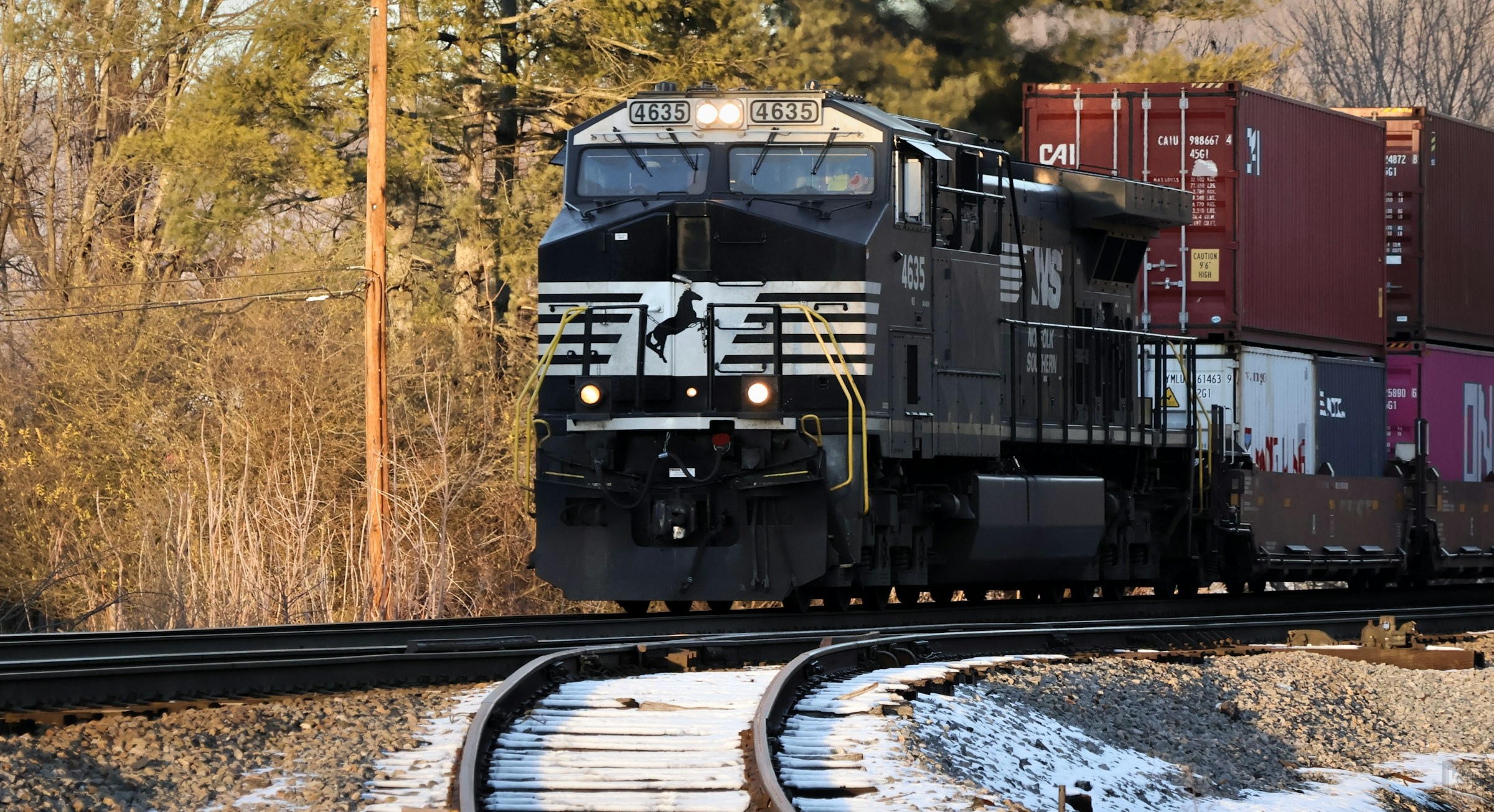
Hamburger Hafen und Logistik AG has commissioned its first remote-controlled rail gantry cranes at Container Terminal Altenwerder in Hamburg, extending the terminal’s automation programme into the transfer of containers between the yard and rail network. The project combines a new Künz crane designed for remote control with an existing rail gantry that has been upgraded to operate either from its cab or from a workstation inside the terminal building.
The new crane was delivered and installed last year, while remote-control technology has been introduced progressively since the beginning of 2026. HHLA has trained operators and technicians alongside commissioning, with crane drivers increasingly working from ergonomically designed control stations rather than spending the full shift in elevated cabs above the tracks.
Physical scale makes the remote-control task substantial. The new gantry has a track width of more than 41 metres and spans nine railway tracks, while its ability to reach preliminary queuing areas on both the waterside and landside gives it a total working width of around 90 metres. Camera systems, controls, and communications therefore have to give operators an accurate view across a large transfer area containing trains, containers, handling equipment, and personnel.
The equipment serves an unusually important rail interface. Hamburg handles around half of its hinterland container traffic by rail, and approximately 2.6 million TEU moved through the port by rail during 2025. HHLA’s three Hamburg container terminals each operate their own rail facilities, making train handling a central part of the port’s cargo flow rather than an ancillary service added after boxes leave the marine terminal.
CTA’s rail terminal itself has nine tracks capable of accommodating full-length freight trains. Existing terminal information puts annual rail handling at approximately 740,000 TEU, which means relatively small variations in crane availability or train turnaround can accumulate into substantial effects over a year. Remote operation is intended to improve the consistency of that process while changing how operators are deployed.
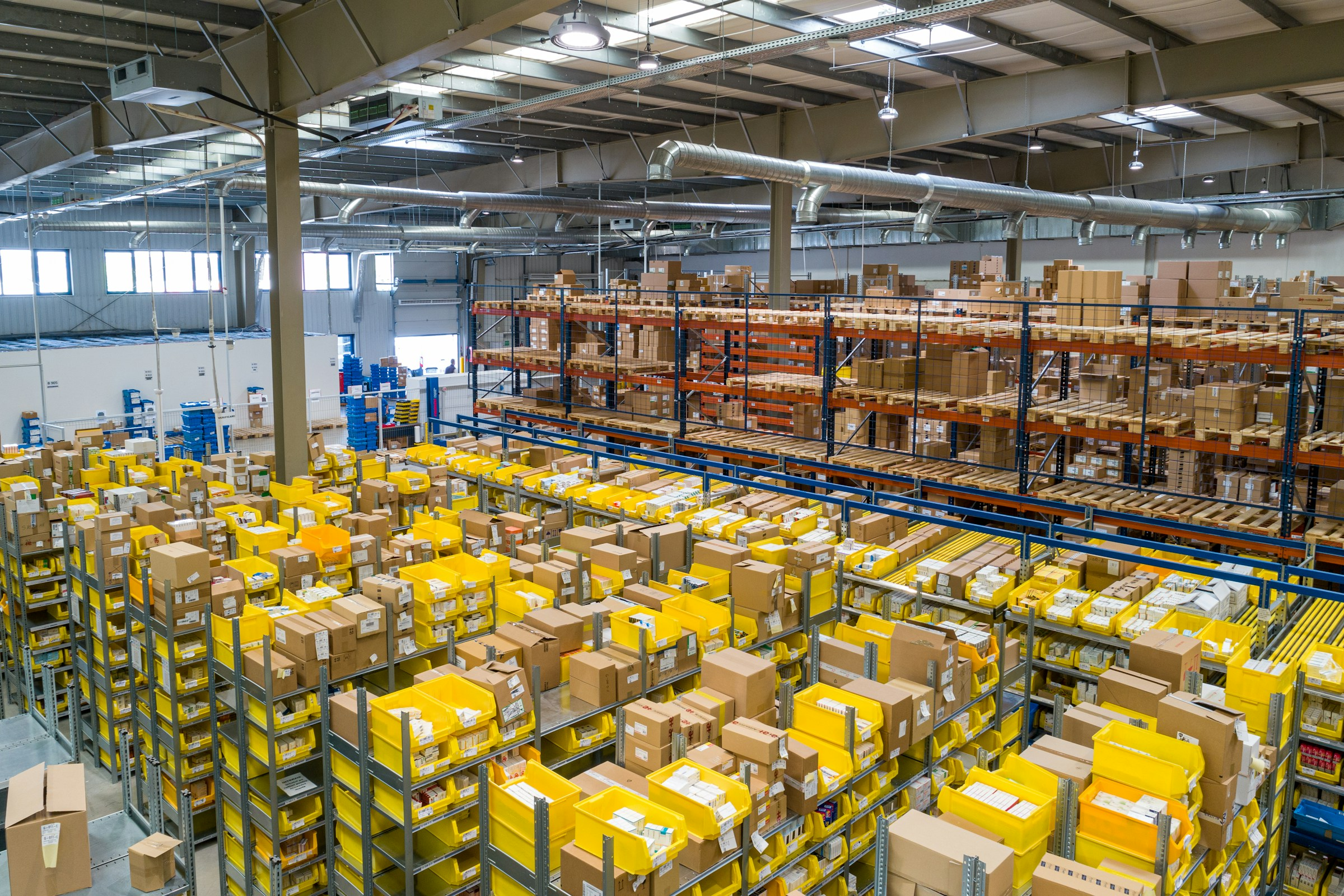
The project builds on a high level of automation elsewhere at Altenwerder. Battery-powered automated guided vehicles transport containers between the quay and storage area, while 26 automated storage blocks use rail-mounted gantry cranes to place and retrieve boxes. Optical character recognition systems register containers arriving by road or rail and pass that information into terminal systems without relying on manual data entry.
HHLA is also replacing the terminal’s ship-to-shore cranes with remote-controlled models. The first batch entered operations earlier this year, with further equipment being assembled and ordered as part of a programme intended eventually to replace all 14 existing container gantry cranes. Remote control at the rail terminal therefore connects with a broader reworking of how containers pass through CTA from vessel to hinterland.
The value of that integration lies at the interfaces. Quay cranes can discharge ships quickly and automated vehicles can transfer boxes efficiently, but the overall terminal still slows if rail departures cannot be assembled and loaded at the required pace. In a port where rail carries such a large proportion of inland traffic, dependable train handling has direct consequences for yard occupancy and berth productivity.
Remote control does not make the cranes autonomous. Operators remain responsible for the handling process, particularly when containers, wagons, or operating conditions fall outside the normal sequence. Moving the driver to a control room changes the information available and the working environment, but judgement is still required when the system encounters an exception.
The retrofit of an existing crane also provides HHLA with a different route into the technology from replacing every asset outright. Retaining the ability to operate from the cab gives the terminal a degree of fallback while the remote system beds in, and allows working practices to develop alongside the hardware rather than relying on a single cutover point.
That caution is relevant because HHLA’s wider terminal modernisation has already created operational pressures during 2026. The company’s half-year reporting said construction and automation work contributed to disruption at the Hamburg terminals, alongside weather and rail infrastructure issues. Introducing new equipment while maintaining a live container operation is rarely frictionless, however polished the commissioning announcement may look.
The next evidence will come from train handling performance rather than the technology itself. Equipment availability, operator workload, rail turnaround, and yard flow will show whether remote control adds useful capacity and consistency. With roughly half of Hamburg’s hinterland containers travelling by rail, improvements at that interface have enough volume behind them to be more than an automation demonstration.