IN Brief:
- Automated warehouse projects in Spain and the Netherlands have advanced into physical racking supply and engineering delivery.
- Cainiao's climbing robots will operate with Jingxing storage systems built around specified tolerances, materials, and installation requirements.
- Jingxing is also preparing an approximately US$30 million automated cold-storage project in North America during September.
Cainiao Group has moved two European automated warehouse projects into the delivery phase, with racking supply and engineering work under way in Spain and the Netherlands. The installations are the first European deployments arising from Cainiao’s cooperation with Jingxing Storage Equipment Engineering Hong Kong, pairing automated logistics technology with storage infrastructure designed around robotic operation.
Jingxing HK expects all racking for the two European projects to be delivered by the end of September 2026, with installation targeted for completion before year-end. That timetable shifts the relationship into physical execution, where layout tolerances, installation quality, sequencing, commissioning, and the interface between fixed storage equipment and mobile automation determine whether a warehouse can achieve its intended throughput.
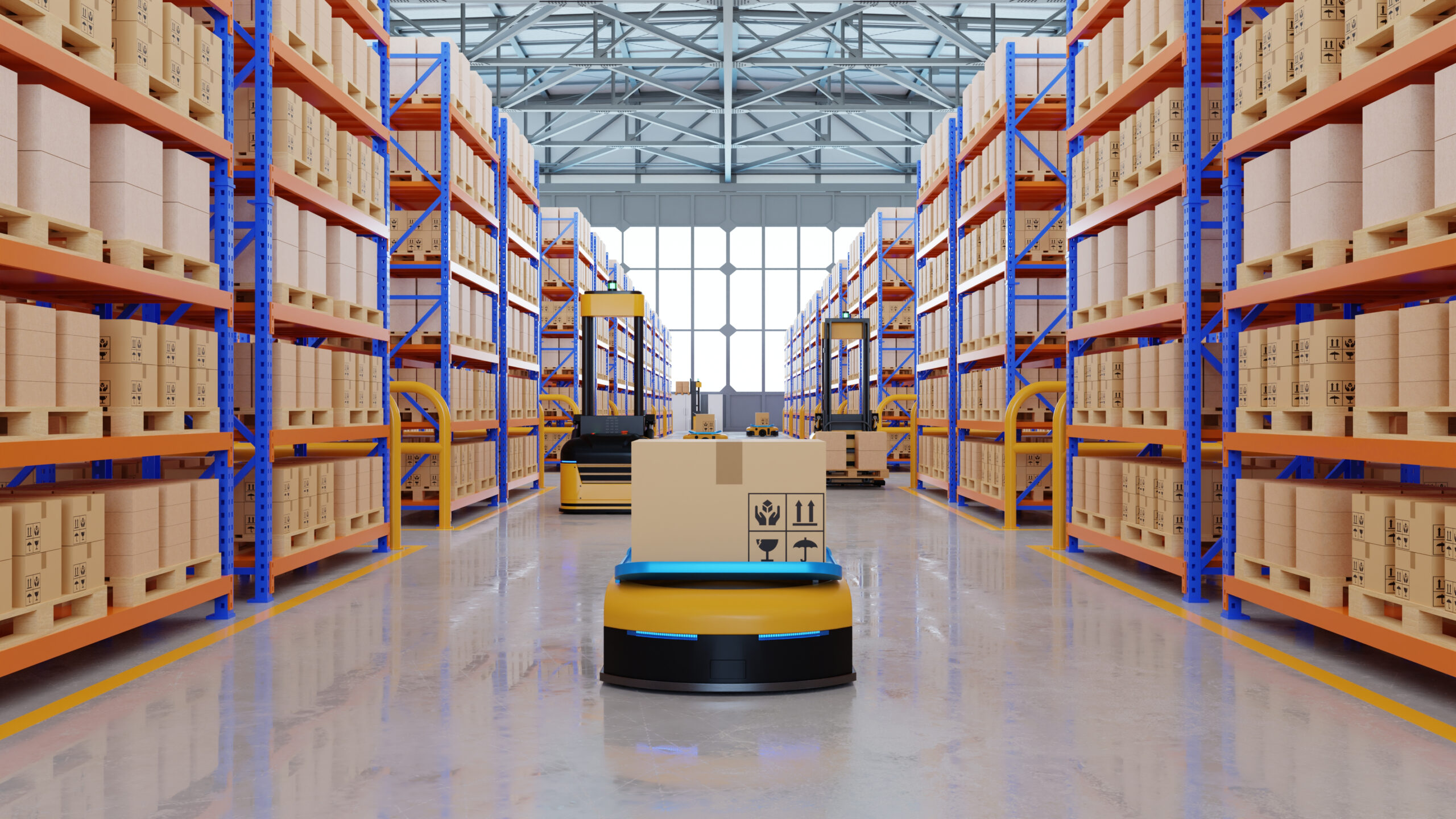
The installations will combine Cainiao’s climbing robot technology and automated logistics systems with Jingxing’s racking design, manufacturing, and international project-delivery capabilities. Jingxing is responsible for racking supply, storage-system design, integration support, and engineering delivery, while the companies are working together on tolerances, material specifications, and installation standards. Those details directly affect whether automated equipment can repeatedly locate, retrieve, and move loads without mechanical variation undermining software-controlled operation.
The delivery work follows the earlier agreement between Cainiao and Jingxing to integrate warehouse robotics with storage systems for overseas projects. Earlier coverage examined the partnership as the two companies aligned robotics and racking; the latest step fixes equipment interfaces, responsibilities, and delivery dates against live European projects. The change from agreement to installation is the operational milestone rather than a restatement of the original partnership.
Jingxing is also preparing a separate automated cold-storage project in North America with Shanghai Jingxing Storage Equipment Engineering. The contract is valued at approximately US$30 million and is expected to commence during September. Cold storage adds another layer of engineering difficulty because equipment, sensors, power systems, lubricants, materials, and maintenance routines have to operate reliably at controlled temperatures while warehouse operators manage high energy consumption and little tolerance for product delays.
Cainiao’s wider logistics network spans more than 200 countries and regions and includes a substantial global warehousing estate. Automation is central to its effort to handle cross-border flows while reducing the labour and time required for storage, retrieval, sorting, and order preparation. International roll-outs still depend on local buildings and storage infrastructure matching the automation specification closely enough for technology developed at scale to be reproduced outside its original operating environment.
That replication requirement gives racking and engineering suppliers a larger role than they occupy in a conventional warehouse fit-out. In a manually operated facility, small variations can often be accommodated by people and handling equipment. In a robot-led operation, the mechanical environment effectively becomes part of the control system: aisle geometry, rack alignment, load position, structural tolerances, and installation accuracy all influence how reliably automated equipment executes software instructions.
Commissioning will be the first point at which those engineering assumptions are tested together. Racking can be installed to specification and robots can perform correctly in isolation, yet throughput still depends on hand-offs between storage locations, charging or service routines, warehouse software, and upstream and downstream conveyor or picking processes. Small alignment errors that are tolerable during manual handling can become repeat faults when reproduced thousands of times under automated control.
The European projects will also test the partners’ ability to manage international delivery. Jingxing has to coordinate manufacturing, export logistics, local installation, engineering standards, and the handover of systems that will eventually operate as a single automated environment. Cainiao, meanwhile, needs common technology to work inside buildings subject to European engineering requirements and local project conditions rather than relying on a warehouse design reproduced unchanged from another market.
The North American cold-store project will add a further test of repeatability across climate-controlled infrastructure. Automated cold storage can reduce the amount of time employees spend in low-temperature zones and improve storage density, but maintenance access and fault recovery become more demanding when equipment is enclosed inside refrigerated space. A system designed for conventional ambient warehousing cannot simply be assumed to perform identically at sub-zero or chilled temperatures.
Further European opportunities are already being examined, including additional overseas warehouse developments for cross-border e-commerce operators. Their commercial value will depend in part on how the Spanish and Dutch installations perform after commissioning, because reference sites carry more weight in warehouse automation than partnership announcements. The immediate milestones are fixed: racking deliveries by the end of September, installation by year-end, and the start of the North American cold-store project during the same month.