IN Brief:
- Coop Faghandel's expanded Langhus facility will exceed 100,000 automated pallet positions across approximately 55,000m².
- Swisslog will add around 50,000 pallet positions, Vectura stacker cranes, automated inbound handling, and a 400-metre ProMove conveyor.
- Construction begins during 2026, with the enlarged distribution operation scheduled for completion in early 2028.
Coop Faghandel is expanding its automated distribution centre at Langhus, south of Oslo, with a high-bay pallet warehouse that will take the operation beyond 100,000 automated pallet positions. Swisslog has been selected to deliver the project beside an existing automated high-bay facility completed in 2021, with the new equipment integrated into the site’s established warehouse-management environment.
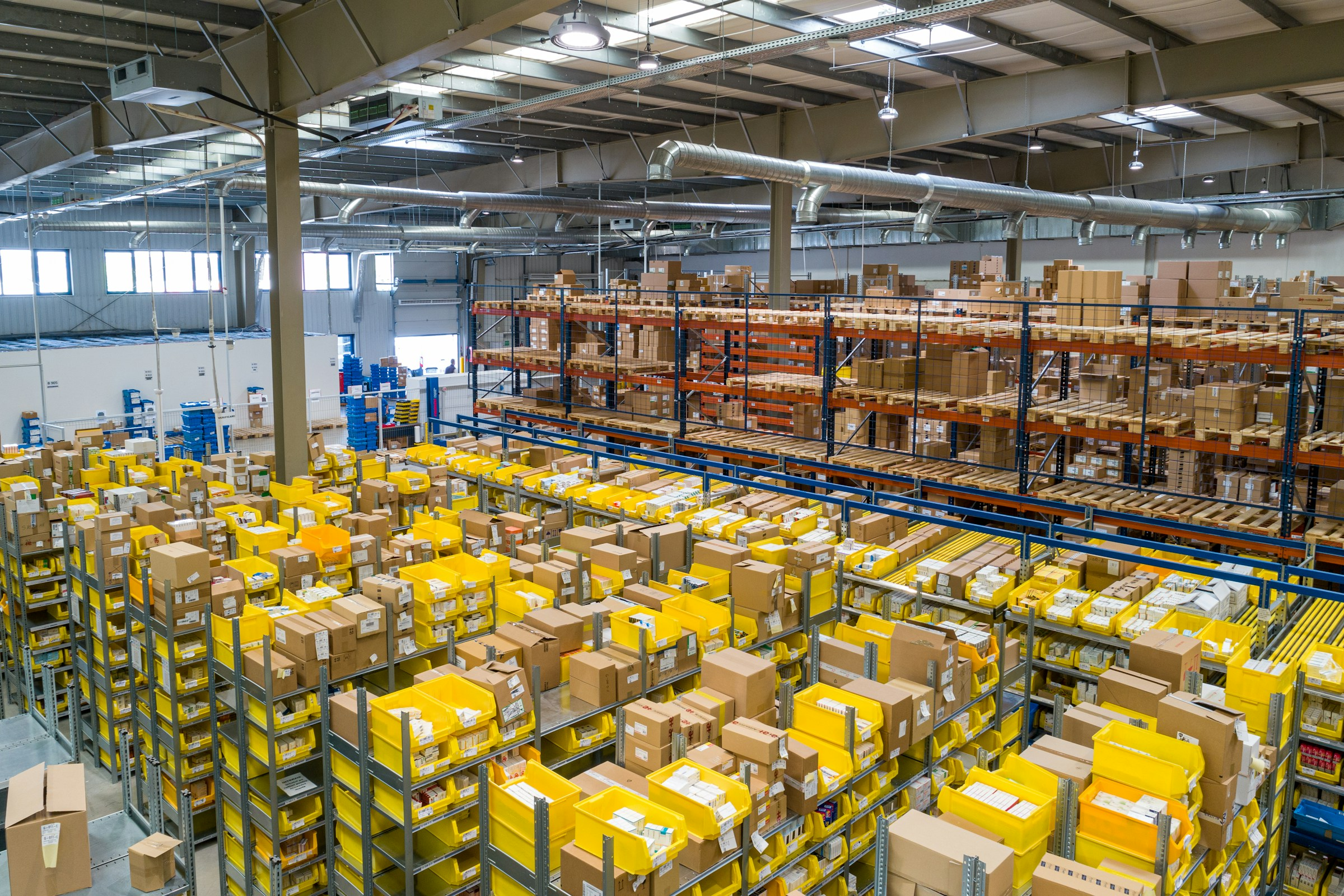
The expansion will add approximately 50,000 pallet positions, an automated inbound-goods area, Vectura pallet stacker cranes, and around 400 metres of Swisslog’s ProMove pallet conveyor system. Once complete, the overall facility will cover approximately 55,000m² and combine automated pallet storage with small-goods handling and manual picking areas for bulky products. Construction is scheduled to begin during 2026, with completion planned for early 2028.
Coop Faghandel distributes building materials and other non-food products within Coop Norge’s network, placing Langhus at the centre of a supply chain handling substantial differences in product dimensions, storage density, picking frequency, and delivery pattern. Growth is increasing the range and volume that the warehouse must accommodate while stores and online customers continue to expect accurate availability and delivery information.
Those differences favour a mixed handling model rather than a single automation technology applied across every stock-keeping unit. Palletised products can be stored densely in the high-bay system, smaller goods can move through dedicated automated handling, and bulky or irregular items remain in manual picking zones where the geometry or order profile makes automated storage less attractive. The investment therefore concentrates machinery on flows that are sufficiently repeatable to justify it.
The new high-bay warehouse will operate alongside the earlier Swisslog installation rather than replacing it. That makes integration a central part of the project: new conveyors, cranes, inbound processes, and storage locations have to interact with equipment already serving daily distribution. Swisslog’s SynQ warehouse-management system will continue to control the operation, providing one management layer across the existing and expanded facilities rather than dividing inventory between separate automation platforms.
Expanding an active distribution centre creates different risks from installing equipment into an empty building. Construction and commissioning must be sequenced around existing goods movements, while interfaces between old and new equipment need to be tested without compromising despatch performance. Conveyor routes, maintenance access, fire protection, temporary storage, worker traffic, and software commissioning all have to coexist with an operation that cannot simply stop for several months.
Coop selected Swisslog after a tender process focused on cost efficiency, flexibility, and scalability. The previous automated Langhus installation provides an operational reference point, with Swisslog stating that it increased productivity by around 60%. That is supplier-reported performance from the existing facility rather than a forecast for the expansion, but it helps explain why Coop has chosen to extend the same automation architecture rather than introduce an unrelated system alongside it.
High-bay pallet automation can increase storage density without expanding the building footprint at the same rate, while stacker cranes remove much of the repeated forklift travel associated with conventional pallet storage. Automated inbound handling can also create a more controlled flow into storage, provided that pallet dimensions, labelling, load stability, and data are sufficiently consistent for equipment to process loads without frequent manual intervention.
The 400-metre conveyor is equally important because storage capacity becomes restrictive if pallets cannot enter and leave the system at the required rate. Conveyors determine how loads are accumulated, routed, sequenced, and transferred between inbound, storage, picking, and despatch. As utilisation rises, bottlenecks can shift away from the storage cranes towards these hand-off points, making balanced material flow more important than simply adding pallet locations.
Keeping manual areas for bulky goods also limits the amount of engineering compromise required elsewhere. Building-material and DIY inventories can contain long, awkward, fragile, or slow-moving products that do not fit economically into standard automated locations. Separating those products while automating repeatable pallet and small-goods flows allows the warehouse to use machinery where throughput supports the investment without designing the entire system around its least automation-friendly items.
Completion in early 2028 gives Coop and Swisslog a substantial construction and commissioning period, reflecting the scale of the expansion and the requirement to keep existing distribution running. Langhus will eventually contain more than 100,000 automated pallet positions under one management environment. The project will be judged less by the number of storage locations installed than by whether capacity can be doubled without the transition itself becoming the warehouse’s most expensive bottleneck.