IN Brief:
- Asian buyers have purchased at least 500,000 tonnes of Australian and Argentine wheat as replacement supply.
- Alternative cargoes are costing roughly $310–$330 per tonne compared with $260–$280 for previously booked Black Sea wheat.
- Buyers are combining replacement bulk purchases with some containerised shipments to bridge delayed arrivals.
Black Sea disruption is forcing Asian wheat importers to switch origins, with buyers purchasing at least 500,000 tonnes of Australian and Argentine grain to cover delayed Russian and Ukrainian cargoes. Three trade sources said the replacement buying followed attacks on vessels, ports, and grain infrastructure that interrupted loadings during a period when Asian processors had already committed substantial volumes to the region.
The alternative supply is materially more expensive. Australian Premium White wheat has traded at roughly $315 to $330 per tonne including cost and freight, while Argentine wheat has been bought at about $310 to $315. Black Sea cargoes booked for August and September arrival had generally been secured at around $260 to $280 per tonne, leaving buyers to absorb a sizeable disruption premium when they cannot wait for delayed shipments.
Asian processors had booked about 2.0 million to 2.5 million tonnes of Black Sea wheat for July-to-September shipment, equivalent to roughly 30% to 50% of import demand. Indonesia is among the exposed markets, alongside Bangladesh, Vietnam, Malaysia, Thailand, and Sri Lanka. The degree of pressure varies by inventory position, contract terms, milling specification, and alternative supply options, but executed replacement purchases show contingency planning becoming actual procurement.
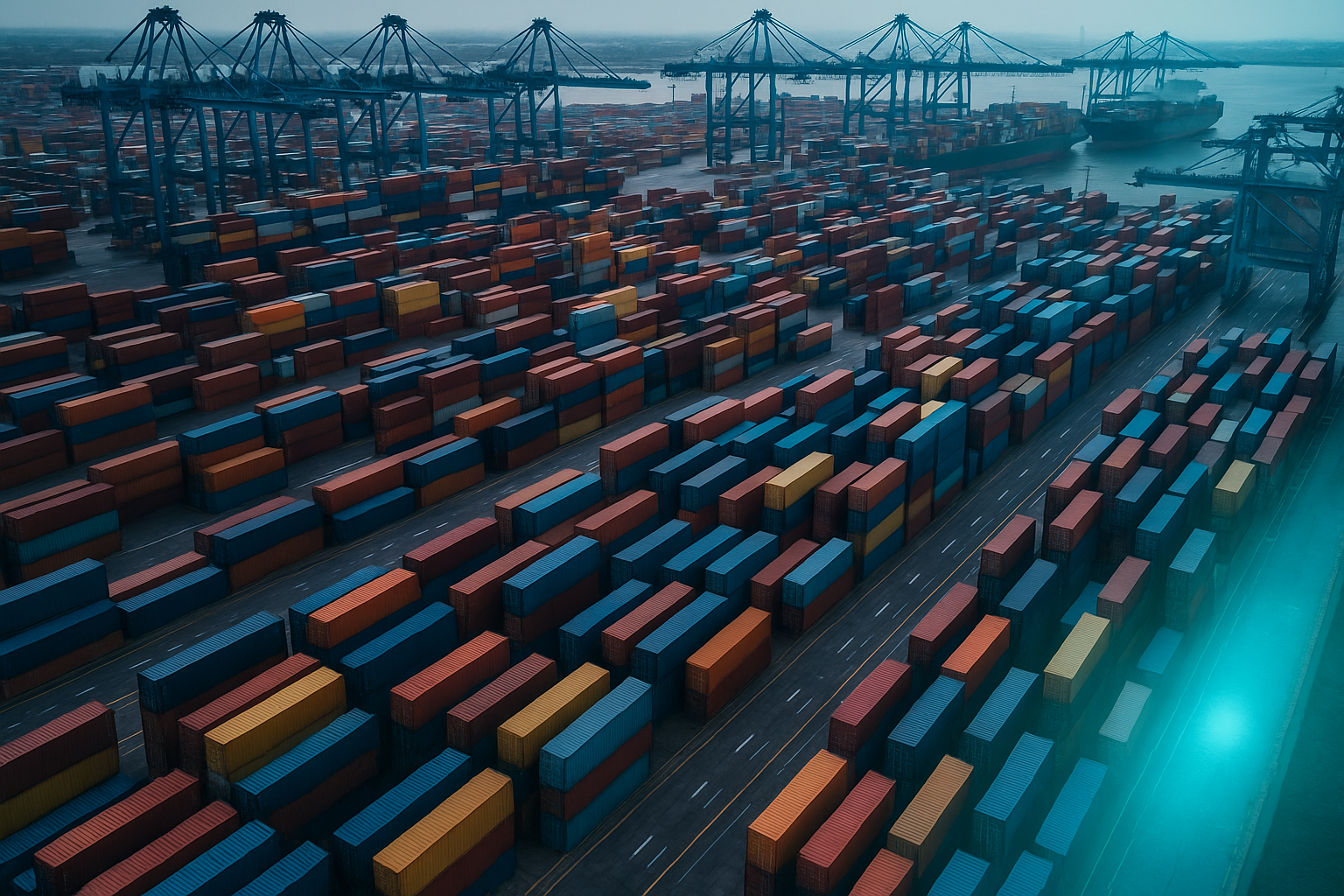
Some buyers are also using containerised wheat for urgent requirements. Containers cannot replace bulk shipping economically at the same scale, yet they can provide smaller parcels and different sailing options when a mill needs enough grain to bridge a delay. That flexibility can reduce the volume of higher-priced replacement wheat required while an original cargo remains uncertain.
Earlier disruption had already pushed Asian buyers to assess alternative origins as attacks affected vessel movements, port access, insurance, and loading schedules. The latest purchases represent the next stage of that response: buyers are no longer merely identifying Australian or Argentine supply but paying the higher price and changing origin to protect production continuity.
Commodity pricing has moved at the same time. Benchmark Chicago wheat futures have risen by about 35% since late June, which means replacement procurement is taking place in a firmer market than the one in which many Black Sea contracts were agreed. Alternative origins therefore carry both a logistics premium and the effect of wider market tightening.
The sourcing decision involves more than comparing grain prices. Switching origin can change sailing time, vessel availability, port rotation, documentation, financing exposure, and the quality profile of the wheat delivered to a mill. Procurement teams must weigh those differences against the cost of waiting, particularly where a delayed vessel could leave production short of the grades or volumes required.
For processors, continuity can outweigh nominal purchase price when raw material stocks approach a critical level. A lower-cost cargo that arrives outside the usable delivery window may be more expensive operationally than a higher-priced replacement that keeps a mill running. That calculation explains why buyers are using a mix of alternative bulk cargoes and smaller container shipments rather than relying on one response.
The disruption is also affecting infrastructure risk assessments. ADM said a drone strike on 31 August damaged its UEP grain terminal at Odesa, adding to a series of incidents affecting export capacity and vessel operations. A strike on one terminal can influence a wider network if shipowners alter port calls, insurers revise terms, or exporters reschedule loadings through other facilities.
Those secondary effects make recovery difficult to judge from a single sailing or port reopening. Grain supply chains depend on terminal availability, rail and road feeding systems, vessel schedules, inspection, documentation, and insurance all functioning closely enough together to keep cargo moving. A delay in one part of that chain can propagate into replacement buying thousands of miles away.
The 500,000-tonne switch covers only part of Asia’s Black Sea exposure for the July-to-September period. Buyers still have outstanding cargoes and must decide whether to wait, secure further replacement tonnage, or split requirements between bulk and container options. Additional purchases from Australia, Argentina, or other origins would place further demand on alternative supply and could keep replacement costs elevated.
The immediate test is therefore not whether Black Sea wheat remains competitive on price, but whether contracted cargoes can load and arrive with enough reliability for buyers to plan production. Until that improves, Asian importers will continue to price reliability alongside grain itself, and alternative origins will retain value even when they are materially more expensive.