IN Brief:
- The Panama Canal has retained its current 48ft Neopanamax draught rather than cutting it to 47.5ft.
- Neopanamax transit capacity remains at nine daily slots, while Panamax availability falls to 23 slots from 15 September.
- The Río Indio reservoir is intended to remove drought-driven operating restrictions, but completion remains about five years away.
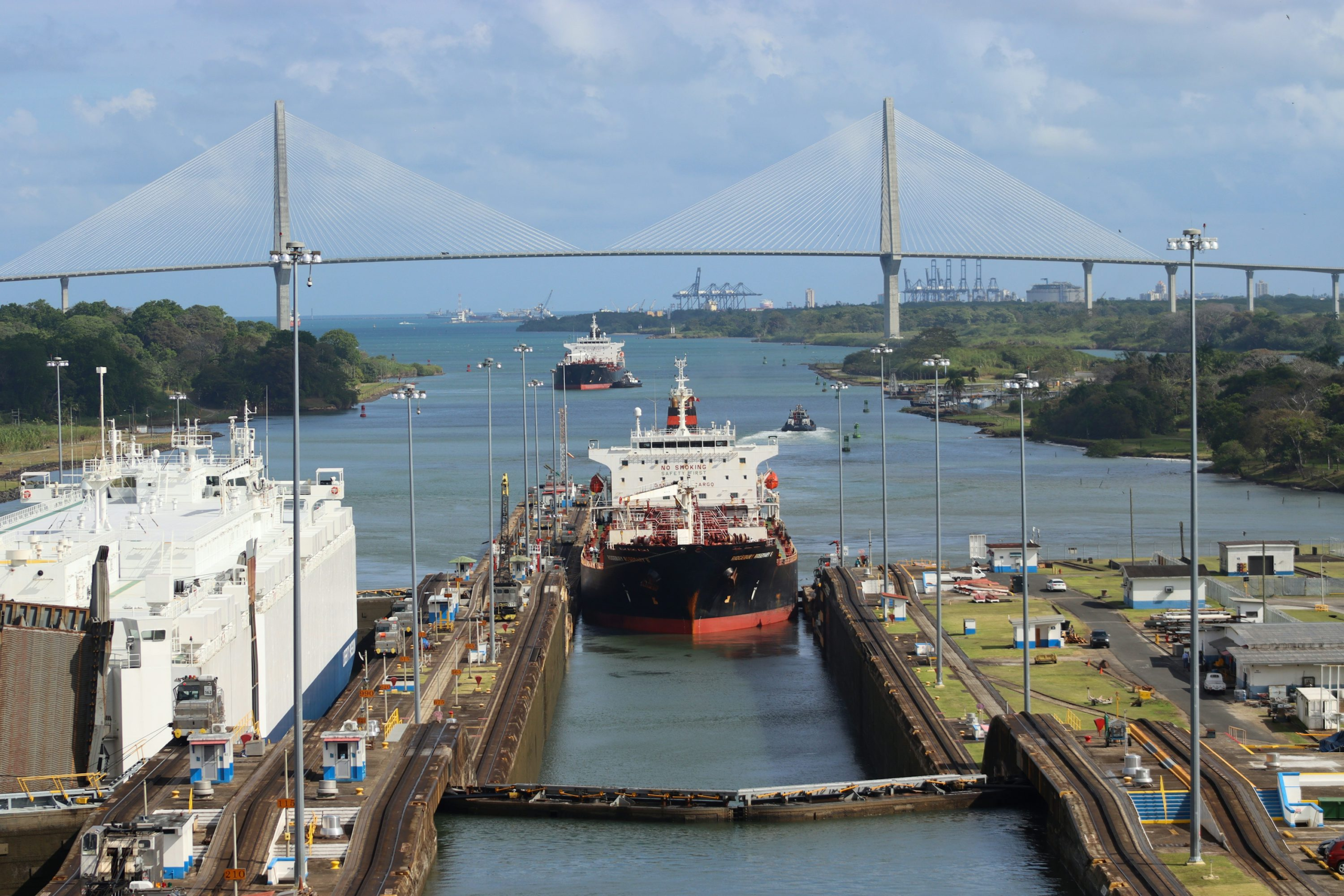
Panama Canal Authority will retain its current 48ft maximum authorised draught for Neopanamax vessels after postponing a planned reduction to 47.5ft, giving carriers more payload certainty while tighter transit capacity remains in force.
The authority announced the draught decision on 4 September after reviewing Gatun Lake levels and updated weather projections. The 47.5ft Tropical Fresh Water limit had been scheduled to take effect on 1 October, following earlier postponements as reservoir conditions changed.
Holding the limit at 48ft removes one immediate constraint from vessel planning, but it does not restore the canal’s full operating capacity. Since 3 September, the Neopanamax locks have been limited to nine daily slots, while Panamax locks have been operating with 25 slots a day and are due to fall to 23 from 15 September.
Those reductions were introduced after rainfall in the canal watershed came in below expectations despite the wet season. The authority has also adjusted daily auction arrangements and urged customers to use its reservation system, warning that ships arriving without a confirmed booking face a greater risk of waiting when transit numbers are restricted.
Container lines and other deep-sea operators therefore face two different constraints within the same capacity calculation. A lower draught can reduce the cargo carried on an individual voyage, while fewer slots can increase waiting time or make confirmed reservations more valuable. Keeping the 48ft limit addresses the first problem for now, but the second is already part of current schedules.
The canal’s new administrator, Ilya Espino de Marotta, has said the next three months of rainfall will be critical in determining whether further restrictions are needed during the 2027 dry season. If reservoirs do not recover sufficiently through September, October, and November, the authority may have to reduce quotas again in January, February, or March.
Water availability consequently remains embedded in network planning. The canal’s locks depend on freshwater from the watershed, which also supports drinking-water demand in Panama. When inflows weaken, the authority has to balance vessel draught, daily transits, booking rules, and water-saving measures rather than simply operating the locks at their physical maximum.
The commercial effects can appear before a vessel reaches Panama. Shipping lines planning Asia–US East Coast, Latin American, or other canal-dependent services have to decide how much cargo to load, whether to secure reservations earlier, and how much schedule buffer to retain. A change in expected canal capacity can then move into vessel utilisation, connection reliability, and inventory timing across several ports.
Alternative routes are available, but each carries its own cost. Diverting around another canal or a continent can add sailing distance, fuel consumption, vessel days, and pressure elsewhere in a liner network. Remaining on the Panama route under tighter capacity can instead expose operators to reservation competition, waiting time, or payload restrictions if draught limits are reduced again.
The long-term response is the Río Indio reservoir project, which the canal expects to complete in about five years. Espino de Marotta has said the additional water supply should allow the waterway to operate without drought-driven transit restrictions once the project is in service.
That solution does not remove the near-term exposure. Construction is expected to extend into the early 2030s, leaving several dry seasons in which rainfall and reservoir levels can still alter the number and size of vessels moving through the route.
The scale of the operation makes those adjustments commercially significant. The canal’s proposed fiscal 2027 budget projects 10,750 high-draught vessel transits and revenue of about US$5.56 billion, while allowing for difficult water conditions and the risk associated with a strengthening El Niño.
Headline canal availability is therefore not a single number. A vessel may have sufficient draught allowance but no convenient slot, or a reservation may be available while a lower draught reduces the cargo that can be carried. The usable capacity of the route is the combination of both.
The 4 September decision improves one part of that equation by retaining the 48ft Neopanamax limit. It also reverses the immediate expectation created by the earlier plan to cut the limit to 47.5ft, giving carriers continuity for current stowage and deployment decisions.
Transit capacity remains tighter than normal and could be reduced further if reservoir recovery disappoints. With the Río Indio project still years from service, Panama’s water balance will continue to influence vessel schedules, payloads, and booking strategy well beyond the latest draught reprieve.