IN Brief:
- ESR's planned Kwai Chung Logistics Centre has a maximum gross floor area of 150,000 sq m.
- Reitar and ESR are exploring PLT, smart warehousing, cold chain, and operational integration under a non-binding MOU.
- Any Strategic Ecosystem Partner appointment remains subject to a definitive agreement.
Reitar Logtech has signed a non-binding memorandum of understanding with ESR to explore smart logistics, cold chain, and technology integration at the planned ESR Kwai Chung Logistics Centre in Hong Kong.
The proposed development has a maximum gross floor area of 150,000 sq m on a 55,245 sq m site in Kwai Chung, one of Hong Kong’s principal logistics districts. ESR says the scheme will provide full ramp access, more than 760 truck parking spaces with electric-vehicle charging, and direct links to the container port, airport, and major business districts.
The agreement remains preliminary. Reitar and ESR are exploring a potential partnership, while Reitar’s proposed appointment as Strategic Ecosystem Partner is subject to a definitive agreement. The current scope therefore sets out areas for development rather than a committed technology package.
Those areas include logistics ecosystem development, deployment of Reitar’s Property + Logistics Technology platform, smart warehousing, operational integration, and cold chain capability. Reitar may also contribute to customer and partner referrals, space planning, lease structures, joint marketing, and low-carbon energy solutions.
Technology is entering the building specification earlier
The scope reaches beyond installing automation after the warehouse is complete. Floor loading, clear heights, power distribution, data connectivity, vehicle circulation, charging infrastructure, fire protection, cold-room design, and maintenance access can all determine which systems can be installed economically once a logistics building is in operation.
ESR’s current specification indicates that the Kwai Chung centre is being developed for high-throughput logistics use. The company lists a reinforced-concrete structure, a 50-year lease running to 2072, and expected completion in the first quarter of 2028, leaving a substantial design and fit-out period before the site becomes operational.
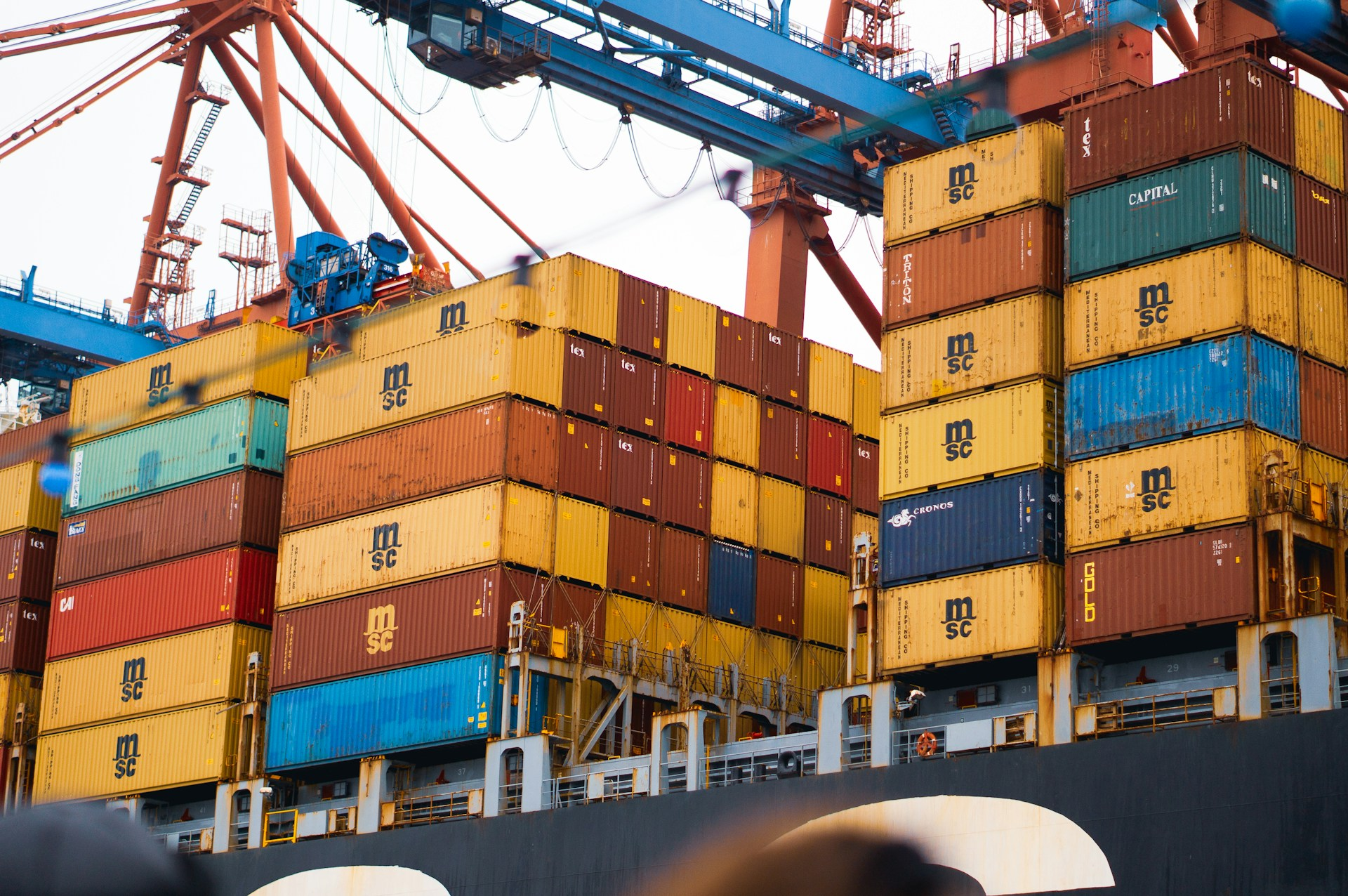
The location also supports a multi-modal role. Kwai Chung sits beside Hong Kong’s principal container-terminal complex and within reach of Hong Kong International Airport and road connections into the wider Pearl River Delta, giving a large logistics facility access to maritime, airfreight, and regional distribution flows from the same district.
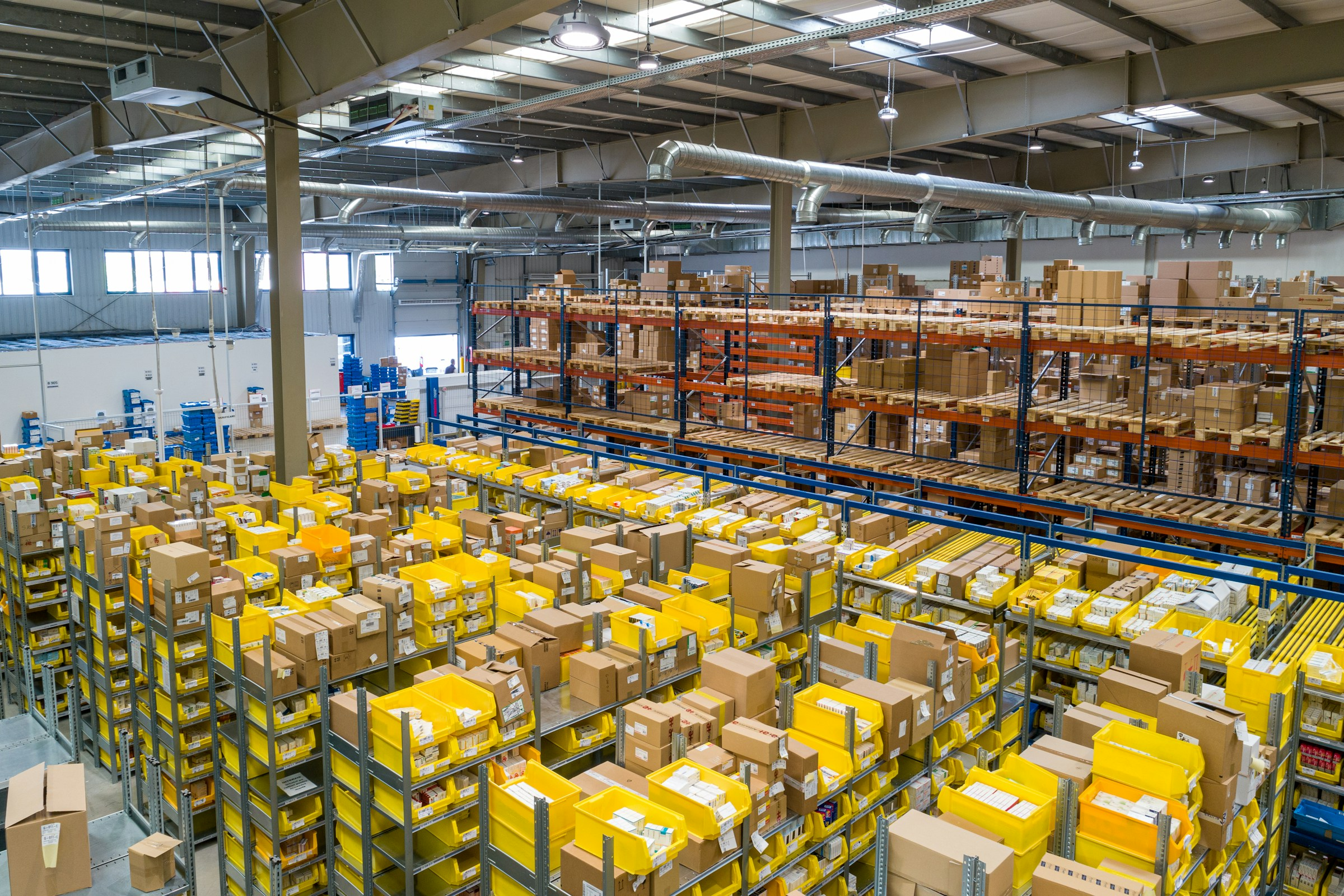
Reitar already operates cold chain infrastructure in the area through its Chillboxx facility, which it describes as a 208,000 sq ft automated smart cold chain warehouse. The site uses a high-density automated storage and retrieval system and an intelligent warehouse management system, giving Reitar an existing reference point for integrating storage automation with temperature-controlled operations in Kwai Chung.
The new ESR development is considerably larger, and scale complicates the operating model. A multi-tenant logistics centre may have customers with different throughput profiles, temperature regimes, equipment fleets, labour requirements, and service levels, making a common technology platform harder to standardise than a single-purpose cold store.
The MOU still has to become an operating plan
Cold chain capability adds further design constraints because refrigeration plant, insulated zones, dock interfaces, backup power, monitoring systems, and temperature-controlled circulation have to work with the building’s wider automation and energy strategy. Resolving those interfaces during design can avoid expensive retrofits once tenants and equipment are already in place.
The same applies to vehicle and automation flows. More than 760 truck spaces create significant traffic, charging, and scheduling demands, while ramp access has to coexist with warehouse automation and tenant operations inside the building. Loading-bay allocation, yard control, and charging schedules will have to work across different occupiers rather than as isolated systems. A technology plan that ignores those physical interfaces would add software without solving the underlying flow problem.
Reitar’s PLT proposition is intended to connect property planning with logistics technology, but the commercial test will be whether the parties convert the MOU into defined responsibilities, funded systems, and measurable operating requirements. Until a definitive agreement is signed, proposed AI-driven management, smart warehousing, and cold chain integration remain options under evaluation rather than committed project specifications.
The project reflects a broader change in logistics real estate. Large distribution buildings are increasingly specified around power, data, automation, charging, temperature control, and vehicle movement alongside floor area, particularly in dense markets where land is expensive and occupiers need higher throughput from each site.
ESR expects the Kwai Chung Logistics Centre to complete in the first quarter of 2028. The useful milestones before then will be concrete ones: a definitive Reitar agreement, named occupiers, confirmed technology packages, and evidence that the proposed automation and cold chain systems have been engineered into the building rather than retained as optional concepts.