IN Brief:
- On-time vessel arrivals have declined across all 14 major Asia-Pacific ports included in current Sea-Intelligence data cited by Maersk.
- Golden Week, typhoon disruption, terminal congestion, and customs changes are increasing the value of earlier bookings and additional lead time.
- China–Mekong rail growth and improving cross-border infrastructure are widening routing options as Asian manufacturing networks become more interconnected.
Maersk is warning shippers to build more flexibility into fourth-quarter planning as weaker vessel reliability, seasonal weather, and China’s Golden Week holiday coincide with changing customs requirements across Asia-Pacific supply chains.
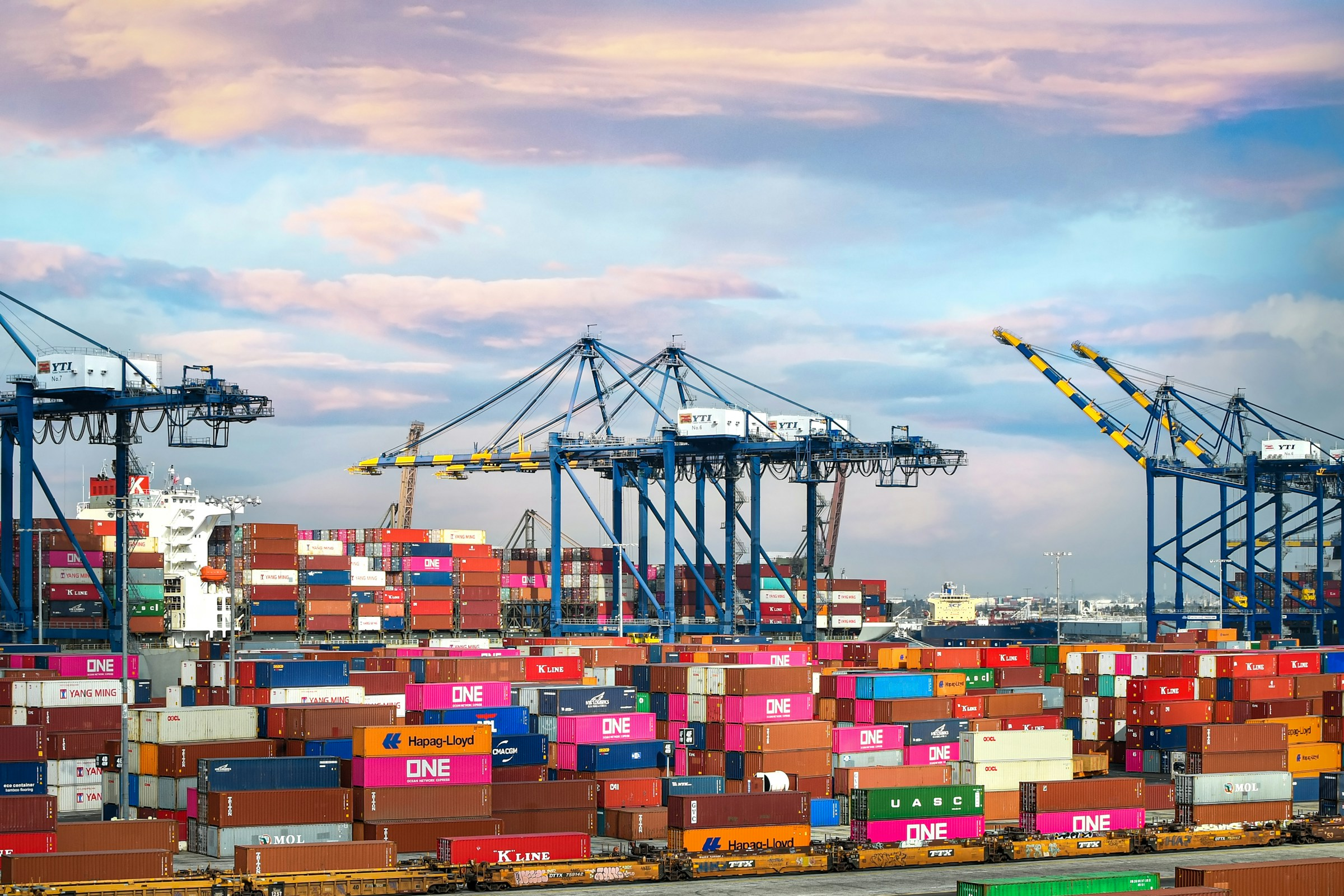
The carrier’s September regional update cites Sea-Intelligence data showing a decline in on-time vessel arrivals across all 14 of the major Asia-Pacific ports included in the analysis. Weather disruption and terminal congestion are affecting schedules, with late vessels carrying delays into later port calls and subsequent sailings.
The timing increases the difficulty of planning freight around China’s Golden Week holiday. Factory closures, reduced staffing, and concentrated pre-holiday cargo routinely bring bookings forward, but deteriorating vessel punctuality makes the normal seasonal rush harder to manage because capacity secured on paper can still be undermined by a ship arriving late.
Maersk is advising customers with fourth-quarter requirements to review bookings early and consider departures ahead of the holiday where practical. Additional lead time cannot remove the effect of typhoons or terminal congestion, but it gives shippers more room to respond if a planned sailing is delayed or available capacity tightens.
Transpacific cargo is particularly exposed to disruption moving through the network. A vessel delayed at an Asian terminal can reach North America late, lose more time alongside or at anchorage, and then return to Asia behind schedule, affecting the next export rotation. The original delay therefore travels with the vessel rather than remaining confined to the port where it occurred.
That pressure comes while Asian inland networks are becoming more varied. The China–Laos Railway has now carried more than 21 million tonnes of cross-border freight since services began, with more than 4,000 commodity categories moving over the route according to figures cited by Maersk.
The railway does not replace deep-sea container shipping across the region, but it provides manufacturers moving cargo between China and the Mekong economies with another option alongside road and ocean transport. Its value increases where production is spread across several countries and goods need to move between plants before final export.
Road connectivity is developing alongside rail. Improvements at the Malaysia–Thailand border are intended to streamline clearance, while logistics providers report increasing interest in cross-border transport combined with warehousing and distribution. Faster border infrastructure can shorten the physical movement, although the gain depends on customs information being ready when the vehicle arrives.
Vietnam illustrates the administrative side of the same problem. Responsibility for issuing Certificates of Origin is moving from central government to local authorities, and Maersk says processing delays have appeared while provincial organisations build the systems and expertise required to manage the change.
Regulatory scrutiny is also increasing around bonded warehouses, e-commerce operations, and selected higher-risk commodities. For companies sourcing from several countries, that increases the importance of knowing where goods and components originate before a shipment reaches the point at which documentation must be produced.
A container can reach the port on time and still miss its planned movement if origin records, customs declarations, or supporting certificates are incomplete. Multi-tier supply chains make those failures more likely because the company arranging the international shipment may not control every supplier that generated the underlying production data.
That makes visibility as important as nominal capacity. A logistics team planning Q4 cargo needs to know whether a booked vessel is likely to arrive as scheduled, whether inland freight can clear the relevant border, and whether the documentation required for export or import will be complete before cargo is presented.
Multimodal options can provide some protection, provided they are matched to the consequence of delay. High-volume replenishment may remain on ocean services, regional manufacturing flows may suit rail, while components capable of stopping production can justify airfreight where the cost of delay exceeds the transport premium.
Asia’s network is gaining more of those alternatives, but reliability is uneven between the individual links. A new rail route may remove days from one part of a journey while congestion adds them back at a port, and a faster road border loses value if customs documentation cannot move at the same pace.
Golden Week makes those weaknesses more visible because large volumes are compressed into a shorter operating period. For Q4 freight, the constraint is no longer simply whether a carrier has space available; it is whether factory, documentation, inland transport, port, and international service can hand the shipment between them without one late interface consuming the margin built into the plan.