IN Brief:
- The Hyster reachstacker combines a 60kW Nuvera fuel cell with a 130kWh lithium-ion battery.
- It carries 32kg of hydrogen, targets a 12-hour operating shift, and can be refuelled in less than 30 minutes.
- Tilbury expects the machine to avoid more than 107,000kg of annual tank-to-wheel CO2 compared with an equivalent diesel duty cycle.
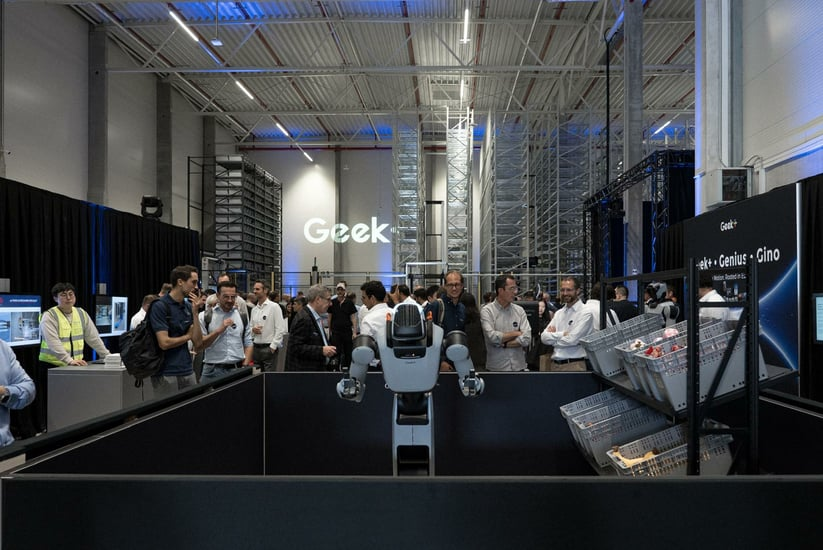
Port of Tilbury has introduced a hydrogen fuel cell Hyster reachstacker into live container operations, beginning a pre-production trial intended to establish whether the powertrain can deliver the working performance required in a demanding UK port environment.
The machine uses a 60kW Nuvera fuel cell to generate electricity in support of a 130kWh lithium-ion battery. High-pressure tanks carry 32kg of hydrogen on board, with the system designed to support a full 12-hour shift before refuelling. Hyster says the reachstacker can be refuelled in less than 30 minutes, reducing the duration of energy-replenishment stops compared with longer charging periods associated with some battery-electric heavy handling equipment.
Tilbury is operating the machine on green hydrogen supplied through on-site production and refuelling infrastructure from GeoPura. Hyster estimates that replacing the equivalent diesel duty could reduce tank-to-wheel carbon dioxide emissions by more than 107,000kg per year, based on annual diesel consumption of 40,000 litres over approximately 2,500 operating hours.
The deployment follows development work involving Hyster, authorised dealer Briggs Equipment UK, Nuvera, and the port. Hyster has also drawn on experience from an earlier hydrogen fuel cell reachstacker pilot in Valencia, using that programme to refine and resize the system before the Tilbury machine entered service.
Service support has been structured around the existing equipment relationship at the port. Briggs Equipment will provide front-line maintenance, while Hyster’s factory team will support the fuel cell and high-voltage systems through its Hypercare programme. Equipment availability will therefore depend on technicians, diagnostic tools, spare parts, and safe maintenance procedures alongside the performance of the powertrain itself.
The trial follows a separate Hyster electrification programme already operating in the Netherlands. A battery-electric RSJ46-33XDL reachstacker entered a two-year field programme at Inland Terminals Group’s Venray-Wanssum operation in August, using four 130kW lithium-ion battery packs designed around an eight-hour shift. Tilbury is testing a different configuration: a smaller traction battery supported continuously by electricity generated from hydrogen.
The two deployments expose different operating trade-offs. Battery-electric machinery can remove local combustion emissions without an onboard fuel system, but charging requirements have to fit available electrical capacity and the site’s working pattern. Hydrogen adds production, storage, and refuelling infrastructure while offering a faster replenishment cycle that may suit equipment required across long, intensive shifts.
Reachstackers provide a demanding test because their energy requirement changes continuously. The machine must accelerate, travel, lift, extend its boom, handle varying container weights, and reposition repeatedly across a yard, often while vessel, road, and rail schedules determine when work has to happen. A powertrain that performs adequately in a controlled demonstration still has to sustain those changing loads without reducing terminal throughput.
Tilbury provides a substantial operating environment for that assessment. The port handles around 16 million tonnes of cargo annually and has approximately five million square feet of warehousing, with container, RoRo, construction, grain, paper, automotive, and other industrial flows moving through the estate. Running the machine within those operations allows refuelling, maintenance, operator behaviour, and availability to be measured alongside lifting performance.
The trial will also show how hydrogen equipment fits around normal terminal planning. Refuelling has to occur without disrupting vessel and landside activity, while hydrogen storage and production infrastructure must remain available when the machine returns from duty. Those supporting processes are part of the operating case because a reachstacker that performs well mechanically can still create a bottleneck if energy supply or maintenance support is unreliable.
The hydrogen supply method is also integral to the emissions case. Tilbury’s use of green hydrogen means the trial can examine the reachstacker and its supporting energy infrastructure as one operating system rather than moving emissions away from the vehicle while ignoring fuel production.
The programme is designed to generate operating data on shift endurance, refuelling reliability, service requirements, uptime, energy consumption, and machine productivity. Those measures will determine whether hydrogen-powered heavy handling can progress from a pre-production reachstacker into a repeatable procurement option for high-intensity terminal operations.