IN Brief:
- Pepco has opened a 51,000m² distribution centre in Barniewice near Gdańsk as its sixth European DC.
- Part of the site will deconsolidate inbound containers so final market allocation can be decided after cargo reaches Europe.
- The retailer is using longer container contracts and improved shipment tracking rather than deliberately building additional buffer inventory.
Pepco is combining its new distribution centre near Gdańsk with longer-term container agreements and later inventory-allocation decisions as it adapts its European supply chain to persistent disruption in international shipping.
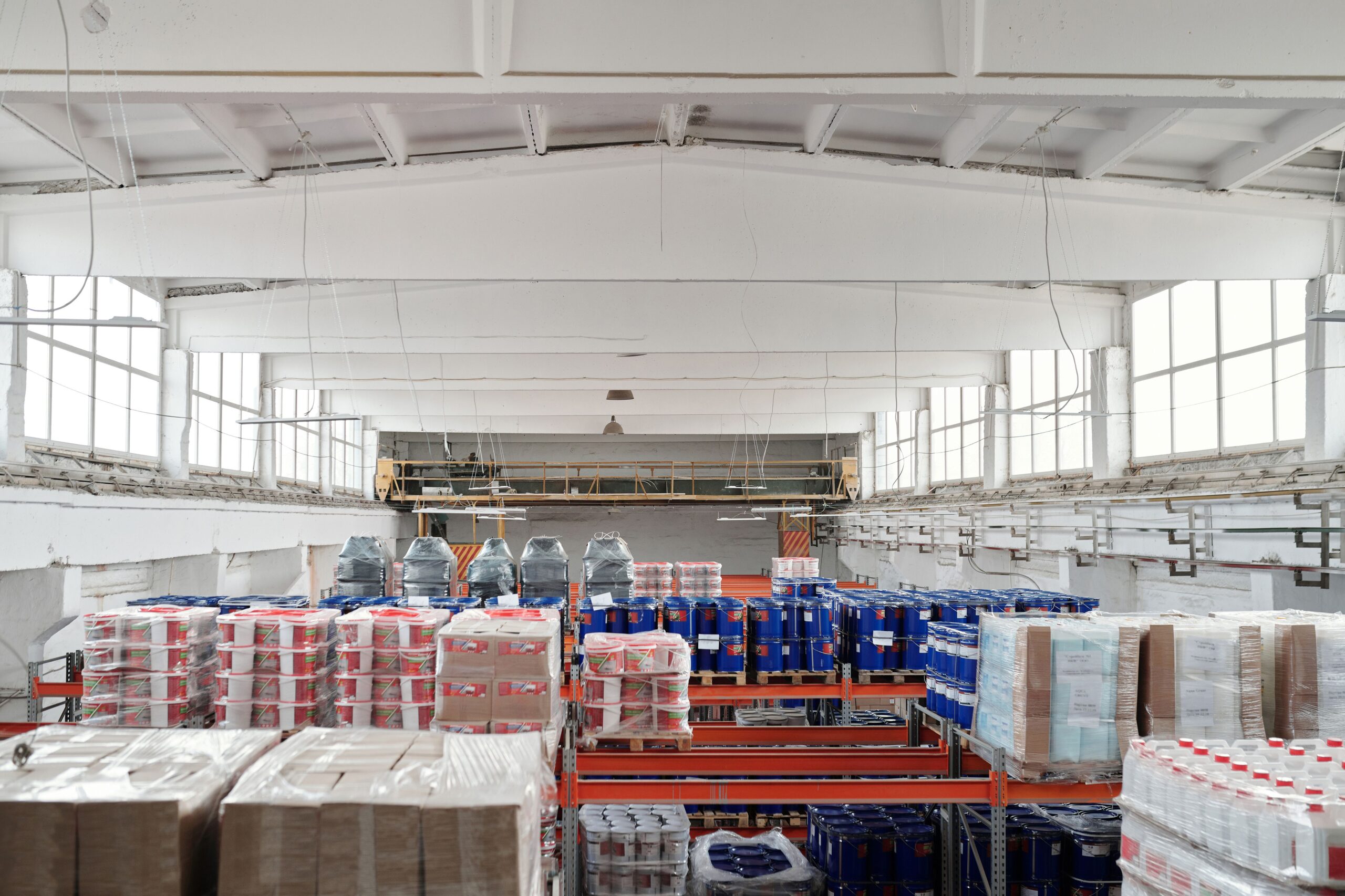
The retailer has opened a 51,000-square-metre logistics facility at Barniewice, close to the ports of Gdańsk and Gdynia. The development gives Pepco its sixth European distribution centre and adds capacity serving stores across Poland, Northern Europe, and Central Europe.
The site was initially announced with around 35,000 square metres of logistics capacity before its full build-out. Pepco expects the completed operation to employ more than 250 people and use direct-to-store deliveries, improved routing, and greater inventory visibility to support its regional network.
Its role has become more significant as international container schedules have remained unreliable. Pepco logistics director Martin White said only around 35% of the company’s shipments were arriving on time amid route disruption and weather-related delays affecting Asian origin markets.
Pepco is not responding by deliberately building a substantially larger inventory buffer. Instead, it is using shipment tracking, longer freight agreements, and greater flexibility over where goods are allocated once they reach Europe.
Chief executive Stephan Borchert said the company has secured container arrangements extending beyond next summer. Pepco has not disclosed the commercial terms, but longer agreements can reduce dependence on short-notice spot capacity when shipping markets tighten.
The Barniewice facility adds a physical layer to that strategy. Part of the site will be used for deconsolidation, allowing inbound containers to be unpacked in Poland before goods are assigned to their final markets.
Some allocation decisions had previously been made while stock was still in Asia. Deferring that choice until cargo reaches Europe shortens the period during which a demand forecast has to remain accurate.
That becomes valuable when maritime transit times are volatile. If a container arrives weeks later than originally planned, store demand may have shifted considerably since the original allocation was made.
Allocating too early can leave one country carrying excess inventory while another market lacks the same item. A European deconsolidation point allows planners to use more recent sales and stock information before deciding where goods should move next.
The method does not make the ocean voyage faster, but it gives Pepco more flexibility after that uncertain stage is complete. It also reduces the need to reposition stock between European markets after final allocation.
Location supports the model. Pepco’s project announcement placed Barniewice around 18km from the Gdańsk container terminal and roughly 2.5km from the S6 highway, creating short road links to maritime gateways and connections into the wider European transport network.
The warehouse uses Blue Yonder technology and is being operated directly by Pepco. That differs from the rest of the retailer’s distribution-centre network, where DHL Supply Chain has a significant operating role.
Direct operation gives Pepco greater control over how deconsolidation, warehouse activity, and inventory allocation are connected. It also places labour planning, stock accuracy, and daily warehouse performance directly within Pepco’s own supply-chain organisation.
The resilience strategy illustrates the difference between additional stock and additional flexibility. Larger inventory buffers can protect service levels during disruption, but they also increase working capital and markdown exposure if demand changes.
Pepco is instead trying to absorb uncertainty through contracted freight capacity, better shipment information, and postponed allocation. Those measures aim to preserve optionality without carrying unnecessary stock across every market.
Longer container agreements address cost and capacity volatility at another point in the chain. Importers exposed heavily to spot markets can face steep increases during disruption precisely when vessel space is difficult to secure.
Longer commitments reduce some of that exposure but also limit flexibility if rates fall sharply or shipment volumes change. Their value therefore depends on Pepco being able to forecast overall transport demand while still delaying the final destination of individual goods.
The Barniewice model separates those decisions. Freight capacity can be committed earlier, while some market allocation remains open until the container reaches Europe and is deconsolidated.
Pepco operates more than 4,000 stores across 19 European countries, making distribution efficiency closely linked to product availability and operating cost. In a discount retail model, logistics performance has a direct effect on how reliably stores can be replenished while maintaining low prices.
The next evidence will come from inventory availability, deconsolidation volumes, and the proportion of shipments that can be redirected after arrival without creating additional handling cost. Barniewice will justify its resilience role if it allows Pepco to respond to volatile ocean schedules without simply holding more stock everywhere.