IN Brief:
- The two-level 7,200-square-metre centre at EZDubai will manage regional inventory, order fulfilment, boutique replenishment, and UAE e-commerce.
- The facility has direct access to Jebel Ali Port through a bonded corridor and is close to Al Maktoum International Airport.
- Dior is combining LEED Gold certification with transport optimisation, reduced single-use plastic, increased sea freight, and electric last-mile vehicles.
Dior has opened a 7,200-square-metre regional distribution centre at Dubai South’s EZDubai Logistics Hub, creating a dedicated Middle East operation for inventory management, boutique replenishment, order fulfilment, and UAE e-commerce.
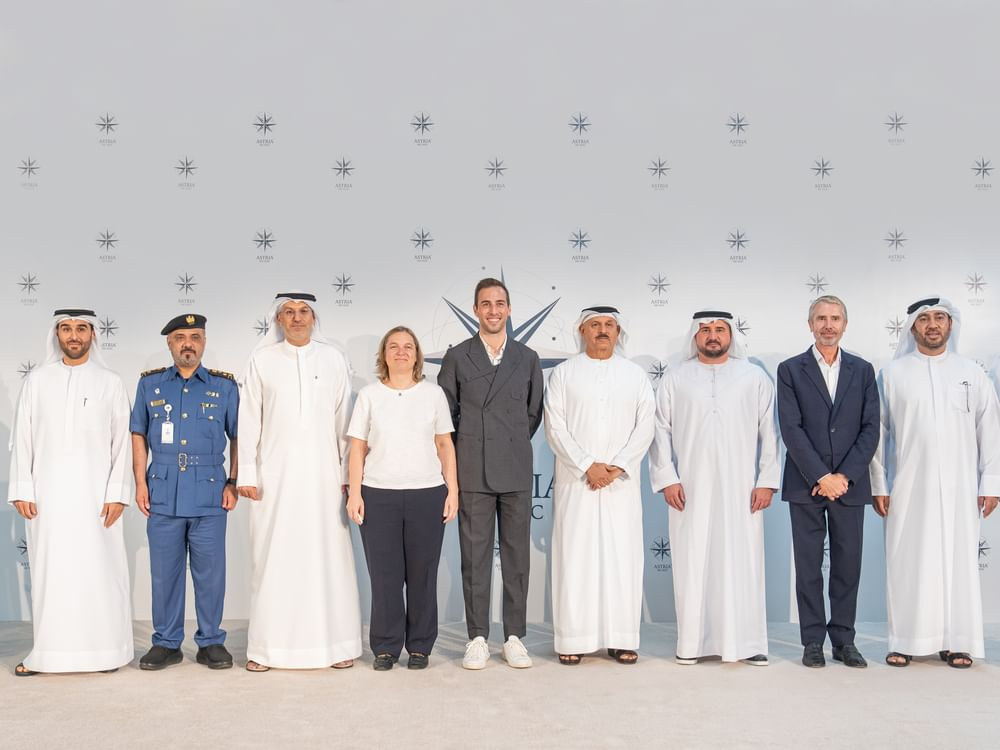
The two-level facility brings stock closer to Dior’s regional retail network and provides a single logistics base supporting physical boutiques and online orders. The centre was inaugurated on 21 September by representatives from Dubai South and Dior, including executives responsible for the brand’s worldwide and Middle East supply-chain operations.
Regional inventory gives Dior greater scope to replenish boutiques without relying solely on stock held farther upstream in its international network. Shorter replenishment cycles can also give planners more time to react where demand differs between stores, countries, or product categories.
The site will support the company’s UAE e-commerce activity alongside store distribution. Operating both flows within the same regional logistics environment can improve inventory visibility across channels, although Dior has not disclosed whether online and boutique orders will draw from a common stock pool.
EZDubai has direct access to Jebel Ali Port through a bonded logistics corridor and sits close to Al Maktoum International Airport. The location gives Dior access to ocean, air, and road transport from a single distribution operation.
That combination allows transport mode to be matched more closely with lead-time requirements. Air freight can support urgent or high-priority replenishment, while planned inventory can move by sea where longer transit times can be absorbed into the stock profile.
Nabil Alkindi, group chief executive officer of Dubai South, said the development is intended to help businesses “optimise their supply chains, enhance connectivity to key markets and support their long-term growth”. Dior’s regional operation will now test that proposition through day-to-day inventory and transport performance.
The company has also linked the facility with several environmental measures. The centre has achieved LEED Gold certification, while Dior says its logistics teams are working to optimise transport flows, remove single-use plastic from packaging, increase the use of sea freight, and introduce electric vehicles for last-mile deliveries in the UAE.
Each measure affects a different part of the logistics operation. Building certification concerns the environmental performance of the facility itself, packaging changes reduce material consumption, and the choice between air and sea freight has a substantial effect on transport emissions.
Increasing the proportion of goods moved by sea requires stronger inventory planning because ocean transport takes longer. Holding more stock regionally can provide some of the buffer required to make that transition without weakening product availability in boutiques.
The distribution centre consequently links Dior’s freight strategy with its inventory strategy. A shift towards slower transport is easier to manage when planners have sufficient regional stock and accurate visibility of demand.
The facility also reflects the growing requirement for distribution centres to support several sales channels simultaneously. Luxury supply chains have traditionally placed heavy emphasis on store replenishment, controlled handling, and product availability, while e-commerce introduces smaller individual orders, different cut-off times, and direct-to-consumer delivery.
Those flows can create competing priorities inside a warehouse. Boutique orders often involve larger scheduled replenishments, while e-commerce requires fast picking and packing of individual consumer orders. Shared inventory can improve flexibility, but only if allocation rules prevent one channel from unexpectedly consuming stock required by another.
Dior has not disclosed the site’s storage capacity, automation systems, throughput targets, or warehouse-management platform. The available information therefore does not establish how heavily mechanised the operation is or the peak volumes it has been designed to handle.
Its confirmed scope is nevertheless broader than conventional storage. Inventory control, order fulfilment, boutique replenishment, and online activity give the centre an operating role across several stages between inbound freight and final customer or store delivery.
Dubai South has developed EZDubai specifically around logistics and e-commerce, with proximity to both Jebel Ali and Al Maktoum providing multimodal access without locating occupiers directly inside either gateway. That offers room for dedicated warehousing and fulfilment while retaining bonded links into the wider transport network.
For Dior, the first operational measures will be replenishment lead times, stock availability, e-commerce service performance, and the balance between air and sea freight. The new building provides the capacity; its effectiveness will depend on how closely transport, inventory, and channel planning are coordinated around it.