IN Brief:
- ATTL will implement IFS Cloud with IFS.ai as its enterprise resource planning platform.
- The deployment covers procurement, supply chain, inventory, maintenance, asset management, projects, HSE, finance, and human resources.
- The terminal operator expects connected operational data to improve maintenance planning, procurement efficiency, compliance, and decision-making.
Arab Tank Terminals Ltd. has selected IFS Cloud with IFS.ai as its enterprise resource planning platform, bringing procurement and supply-chain processes into the same environment as maintenance, asset management, finance, projects, and safety operations.
The Saudi bulk-liquid storage and handling operator intends to use the platform across finance, procurement, supply chain, inventory, maintenance, asset management, projects, health, safety and environment functions, and human resources.
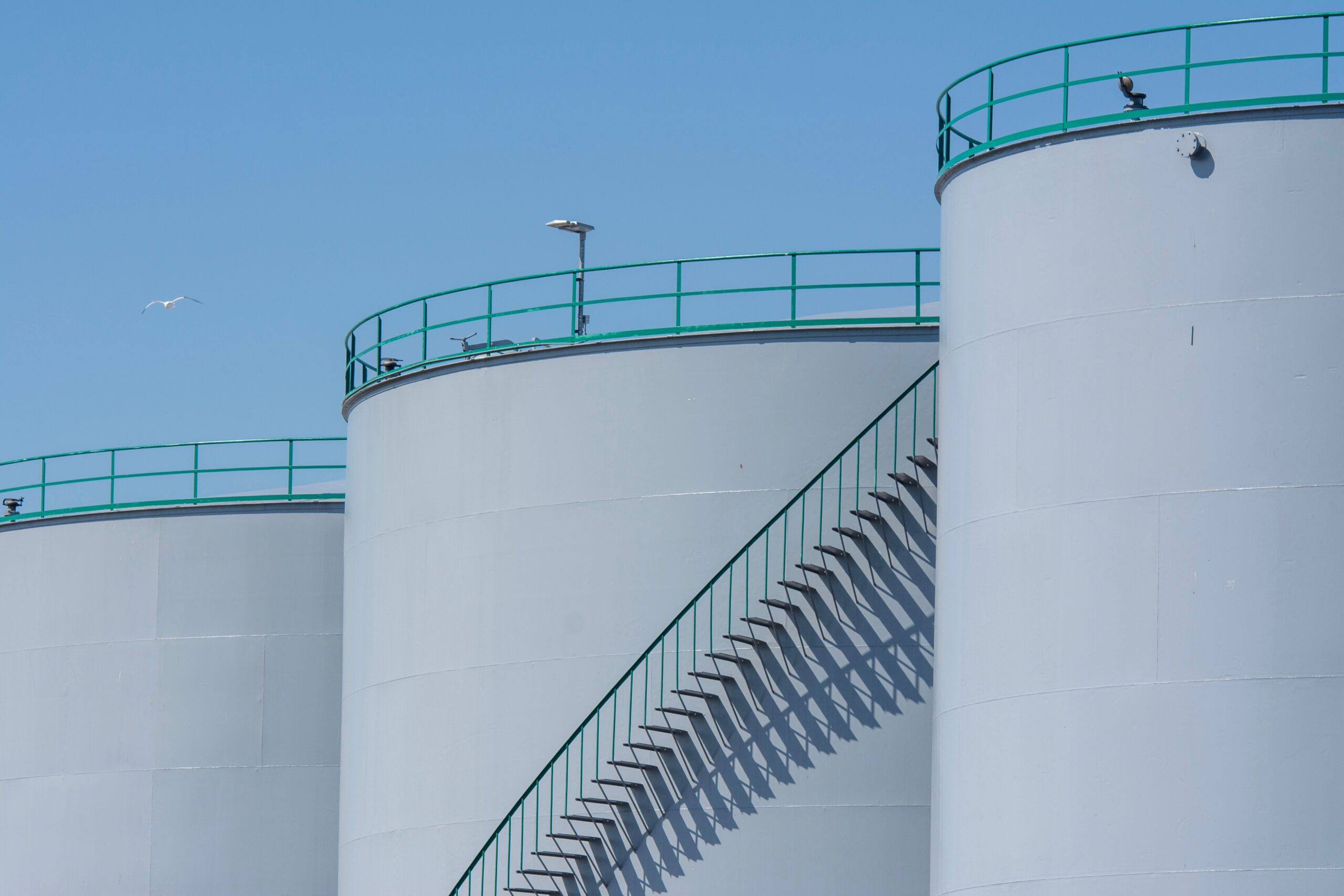
ATTL operates at Yanbu Al-Sina’iya on Saudi Arabia’s Red Sea coast, adjacent to King Fahad Industrial Port. Its activities include tank storage, pipeline transfers, and the loading and unloading of petrochemical and industrial liquid products through marine and road-tanker operations.
That operating model makes procurement closely dependent on asset condition. Pumps, valves, loading equipment, instrumentation, and other terminal systems have to remain available, while maintenance teams depend on suitable spares, contractors, and materials being accessible when work is planned or faults occur.
IFS Cloud is intended to reduce the separation between those processes. Procurement and inventory data can be connected with maintenance schedules and asset-management records, giving planners a clearer view of what work is approaching and whether the required materials are already available.
The same visibility can help reduce unnecessary stock. Asset-intensive operators often have to balance the cost of holding specialist spares against the operational risk of waiting for replacements after equipment has failed.
Linking maintenance histories with inventory and purchasing data provides a stronger basis for deciding which items need to be held routinely, which can be ordered against planned work, and where repeated emergency purchases indicate a weak point in the supply strategy.
The implementation also covers project and HSE functions. ATTL’s operating environment involves bulk liquids, pipelines, marine movements, road tankers, and safety-critical equipment, so maintenance, compliance, and supply availability are closely connected in day-to-day operations.
Rahul Misra, IFS senior vice president and managing director for the Middle East and Africa, said the platform is intended to move ATTL away from isolated operational signals towards connected workflows capable of identifying issues earlier.
ATTL chairman Abdulaziz Albakr has positioned the deployment as part of the terminal’s longer-term operating foundation, with reliability and visibility central to the investment. No implementation timetable or contract value has been disclosed.
The procurement element will be one of the clearest areas in which to judge the project. Enterprise technology programmes can easily become reporting exercises, but at a terminal the commercial value will depend on whether purchasing decisions improve the physical availability of equipment and services.
A planner who can see upcoming maintenance, current stock, open purchase orders, and supplier lead times in one workflow should be better placed to prevent shortages before work begins. The same data can expose repeated emergency orders, excess holdings, or suppliers that consistently miss required delivery dates.
That outcome depends on disciplined data management. Asset registers, stock records, supplier information, and procurement data need common identifiers and reliable updating if the system is to connect activity accurately across departments.
Enterprise integration can make weak data more visible because an error no longer remains isolated inside one system. Incorrect part numbers, duplicated assets, or outdated supplier records can affect maintenance, purchasing, and reporting simultaneously.
Implementation therefore requires more than migrating records into a new platform. ATTL will need to determine which workflows can be standardised, how existing data is cleansed, and where specialist terminal processes need to remain distinct from generic ERP practice.
The company already operates against recognised management standards covering quality, environment, occupational health and safety, and energy. Bringing HSE and maintenance information into the same enterprise environment could reduce the administrative separation between operating assurance and the procurement activity required to support it.
IFS has focused heavily on asset-intensive sectors where physical availability sits alongside conventional finance and purchasing. ATTL fits that model closely because supply-chain decisions ultimately influence whether terminal equipment is ready when product movements are scheduled.
The deployment will be successful if staff spend less time reconciling separate systems, purchasing becomes more predictable, and maintenance requirements translate into ordered or stocked parts before equipment availability is affected.
The software selection is an enterprise IT decision, but its performance will be visible in physical operations. If procurement, inventory, and asset data genuinely converge, IFS Cloud will become part of how ATTL manages terminal availability rather than simply another corporate reporting system.