IN Brief:
- The Wiesloch facility provides approximately 30,000 sq m of pharmaceutical warehousing and is due to become fully operational in November.
- Capacity includes 32,000 ambient positions, 10,000 chilled positions, dedicated deep freeze storage, and planned ultra low temperature capability.
- The site connects directly with Eurotranspharma's specialist healthcare delivery network across nine European countries.
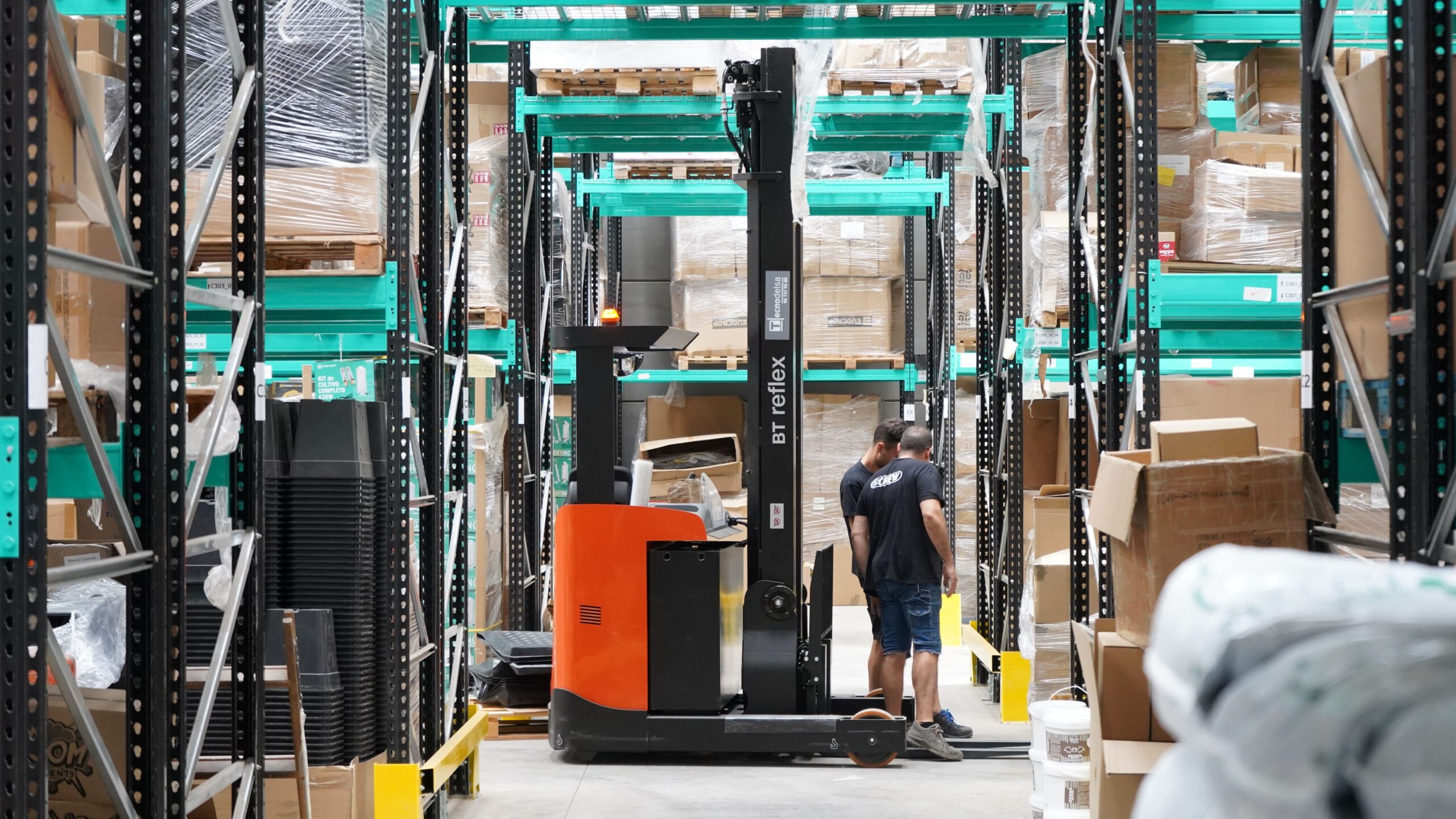
Movianto has opened a 30,000 sq m pharmaceutical logistics hub in Wiesloch, Germany, adding substantial temperature controlled storage capacity to the European healthcare network operated by parent company Yusen Logistics.
The facility at VGP Park Wiesloch-Walldorf includes approximately 1,500 sq m of office space alongside the warehouse and is close to the A5 and A6 motorways. It opened during September and is expected to become fully operational in November 2026.
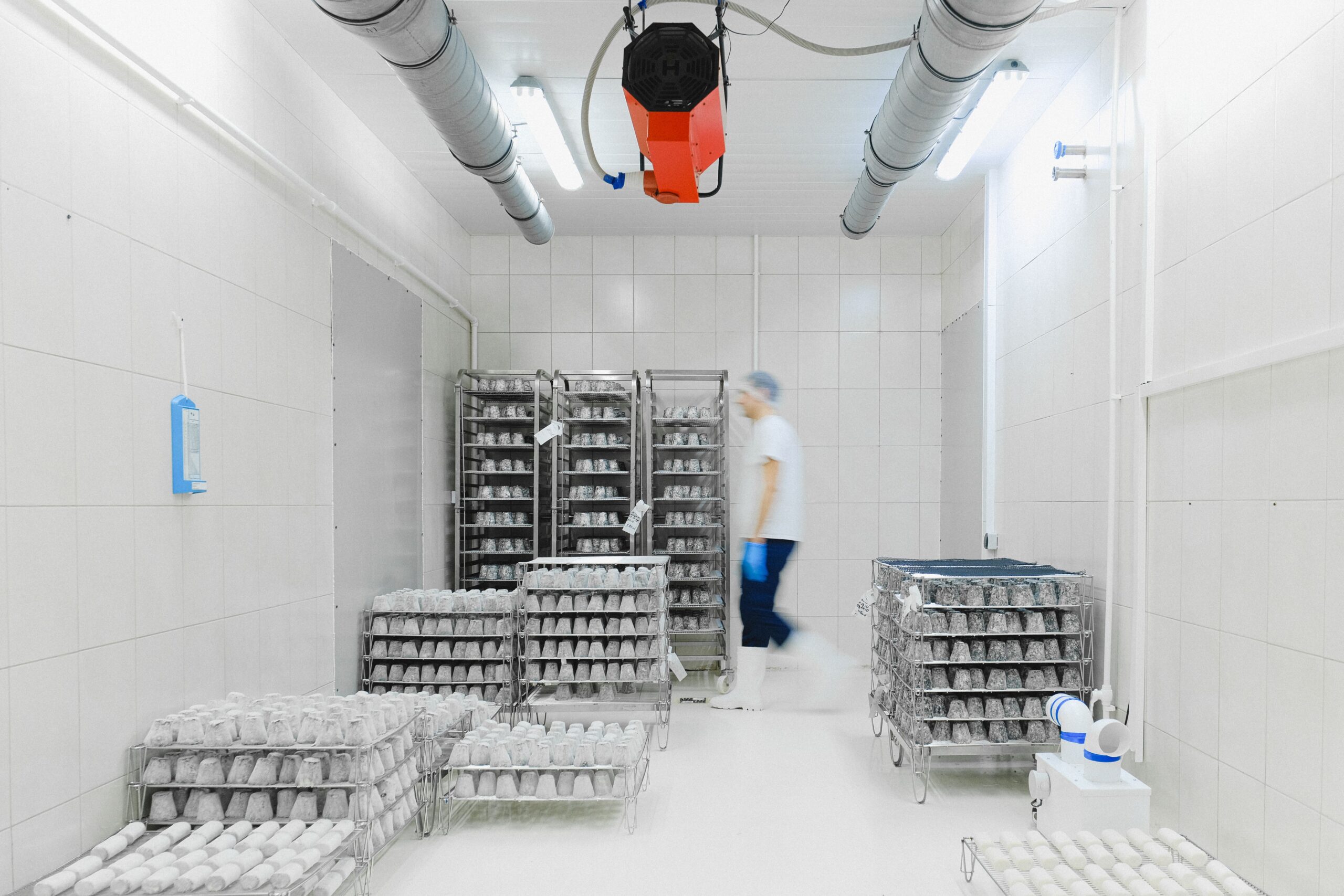
Storage is divided across several temperature regimes. The site provides 32,000 pallet positions for products held between 15°C and 25°C and another 10,000 positions at 2°C to 8°C, alongside dedicated deep freeze areas operating at -20°C and -26°C. Ultra low temperature capability down to -80°C is planned for a later phase.
The multiple temperature zones reflect the widening range of conditions required by pharmaceutical supply chains. Conventional medicines can often remain within controlled room temperature limits, while vaccines, biologics, clinical material, and other sensitive products may require refrigerated or frozen storage with tighter monitoring and contingency procedures.
Bruno Jacques, Deputy Managing Director of Yusen Logistics Europe and CEO of Yusen Logistics Healthcare, said: “Healthcare supply chains are becoming increasingly complex, with growing demand for temperature-controlled storage, specialist handling and reliable distribution.” Wiesloch is intended to connect that storage directly with specialist onward transport rather than operate as an isolated cold store.
The facility links with Eurotranspharma’s dedicated healthcare distribution network across nine European countries. Its active dual temperature fleet can carry products requiring 15°C to 25°C and 2°C to 8°C conditions simultaneously, extending controlled handling beyond the warehouse and into the road delivery network.
That connection is critical because pharmaceutical temperature compliance does not end when a pallet leaves storage. Loading, staging, trunk transport, intermediate depots, delivery rounds, and failed deliveries can all expose sensitive products to conditions outside their validated range, while every additional handover creates another point requiring monitoring and documented procedures.
Movianto also plans to introduce Good Manufacturing Practice operations within the refrigerated area, providing additional handling and manufacturing support for customers requiring tightly controlled processes. The company is pursuing TAPA-A certification for the building, reflecting the security requirements associated with high value and sensitive healthcare products.
Energy use is another operational consideration for a warehouse with several controlled temperature zones. Wiesloch uses heat pumps, LED lighting, rainwater management infrastructure, and a rooftop photovoltaic installation rated at 3.5MW. Movianto expects the solar system to generate around 3,100MWh annually, exceeding the site’s projected electricity consumption.
Cold chain logistics places a persistent electrical load on a building because refrigeration cannot simply be reduced whenever electricity demand elsewhere rises. Frozen and ultra low temperature equipment increases that dependence, so power availability, resilience, and backup arrangements become part of product protection rather than conventional facilities management.
The German healthcare logistics market is receiving investment at several points in the supply chain. Kuehne+Nagel recently opened a specialist healthcare logistics centre at Frankfurt Airport, providing controlled room temperature, refrigerated, and ultra low temperature capacity close to international air cargo operations.
Wiesloch serves a different function. Rather than focusing on airside transfer, it provides much larger inventory holding capacity within Germany’s motorway network and links that stock with specialist road distribution, making it more suitable for regional fulfilment, longer dwell inventory, and domestic or cross-border healthcare distribution.
The site is expected to employ up to 180 people. Automation and temperature monitoring can reduce manual intervention in selected processes, but regulated pharmaceutical operations still require trained staff for quality systems, inventory control, security, exception handling, and customer specific procedures.
Movianto’s published material contains two different figures for deep freeze pallet capacity, citing 2,400 positions in the narrative and 2,000 in its general information table. The precise figure is therefore not used here; the confirmed point is that dedicated -20°C and -26°C capacity forms part of the facility alongside the larger ambient and chilled areas.
The Wiesloch investment adds both scale and temperature range to Yusen Logistics’ European healthcare operation. Once fully operational in November, its performance will depend on the less visible details behind pharmaceutical logistics: stable temperatures, secure handling, controlled transfers, reliable power, and consistent links between warehouse inventory and the specialist distribution network serving the final destination.