IN Brief:
- Kuehne+Nagel and CATL will work across battery logistics, transport electrification, charging, storage, recycling, and aftersales support.
- Initial projects include electrifying CATL transport flows in Europe and launching a heavy truck battery swapping pilot in China.
- The partnership extends battery decarbonisation beyond manufacturing into transport, reverse flows, charging infrastructure, and logistics operations.
Kuehne+Nagel and CATL have agreed a broader partnership covering battery logistics, transport electrification, and emissions reduction, with initial projects spanning European road freight and a heavy truck battery swapping pilot in China.
The memorandum of understanding extends cooperation into battery recycling, aftersales support, charging infrastructure, and energy storage at logistics sites. Kuehne+Nagel and CATL will also work on electrifying transport flows serving the battery manufacturer in Europe, bringing freight operations more directly into CATL’s wider decarbonisation programme.
The Chinese pilot will use battery swapping technology supplied by Qiji and is due to launch this year. Instead of keeping a heavy truck stationary while its traction battery recharges, the model replaces the depleted pack with a charged unit, reducing one source of vehicle dwell where suitable stations, compatible batteries, and sufficient traffic density are available.
Søren Schmidt, Executive Vice President Road Logistics at Kuehne+Nagel, said: “Battery-electric vehicles are essential to decarbonising road freight.” The agreement gives both businesses a route to test how electrification performs under normal logistics constraints rather than treating vehicle technology separately from route planning, charging, infrastructure, and utilisation.
Those constraints become more pronounced in heavy freight because vehicle economics depend on keeping expensive assets productive. Charging time, depot power availability, payload, route length, temperature, and delivery schedules all affect whether an electric truck can replace a diesel vehicle on a particular duty without adding equipment or reducing flexibility.
Battery swapping changes the balance rather than removing those constraints. A rapid exchange can reduce stationary time, but the model requires standardised interfaces, sufficient spare battery inventory, capital investment in stations, and predictable vehicle throughput. Freight corridors with recurring heavy vehicle movements offer a more credible operating case than routes where traffic is dispersed or irregular.
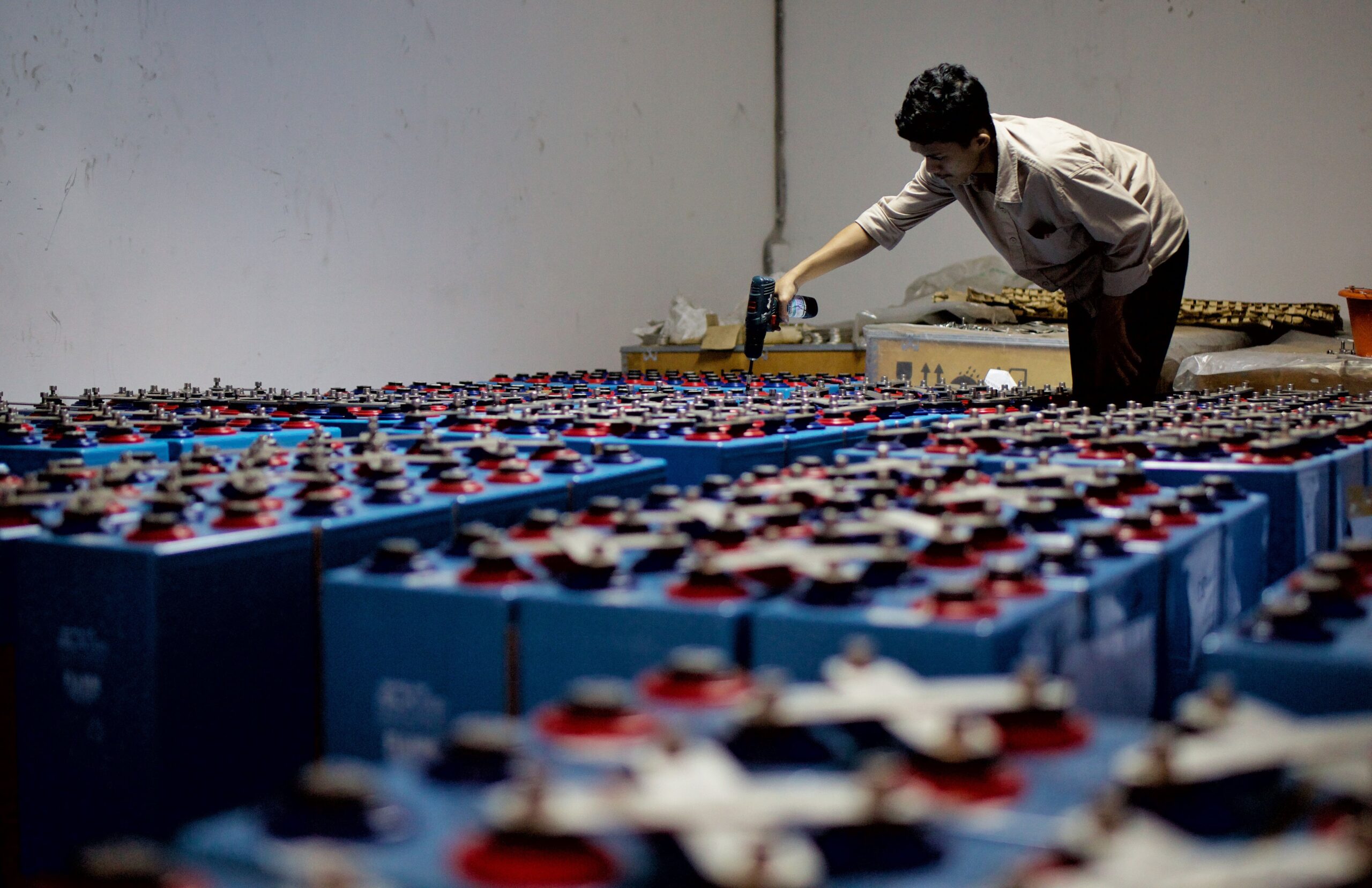
The partnership also covers the movement of batteries themselves. Cells, packs, and stationary storage systems combine high value and substantial weight with dangerous goods requirements and strict handling procedures. Returned, damaged, or end of life batteries introduce additional risks, while reverse flows increasingly have to connect inspection, repair, refurbishment, second-life applications, and recycling.
That lifecycle requirement is already creating more specialised logistics networks. DHL recently expanded its battery logistics network to more than 20 specialist sites, combining transport, warehousing, diagnostics, reverse flows, and lifecycle services. The development reflects a market in which moving a battery is increasingly tied to managing its condition, compliance status, and eventual recovery.
CATL has also embedded carbon performance into supplier allocation and procurement, linking footprint data, renewable electricity, and efficiency with supplier assessment. Extending that approach into freight addresses a different part of the same value chain, where lower-carbon manufacturing can be undermined if materials and finished systems continue to move through carbon-intensive transport networks.
Charging and energy storage at logistics sites add another infrastructure layer. A depot electrifying several heavy vehicles can require a substantial increase in electrical capacity, particularly where trucks return within a narrow operating window and need to recharge before the next shift. Grid connections, charging equipment, battery storage, and local generation therefore become part of fleet planning rather than facilities decisions made separately from transport operations.
Storage can help sites manage peaks, retain locally generated electricity, or shift some charging demand away from constrained periods, although the commercial case varies with electricity tariffs, grid conditions, vehicle schedules, and the scale of the fleet. The Kuehne+Nagel and CATL agreement leaves room to test those combinations alongside the transport work.
The partners have not disclosed the number of trucks, routes, or logistics sites involved in the first phase. The programme is consequently better viewed as a set of operating trials than a large fleet conversion. Kuehne+Nagel cites growth of more than 75% in electric truck battery demand during 2024, while battery manufacturing capacity continues to expand through new factories worldwide.
Higher battery volumes increase both outbound logistics requirements and the volume of equipment eventually returning through repair and recycling channels. They also increase pressure on manufacturers and logistics providers to control emissions associated with transport rather than limiting carbon programmes to production sites.
Kuehne+Nagel and CATL are bringing several of those requirements into the same programme: electric road transport in Europe, battery swapping in China, specialist battery movements, reverse logistics, charging, and energy storage. The individual technologies are established to different degrees, but their commercial usefulness will depend on whether they operate together without adding more complexity than they remove.