IN Brief:
- DHL Express and Singapore Airlines have renewed their crew and maintenance agreement covering five Boeing 777 freighters.
- Singapore Airlines pilots will continue flying the aircraft while SIA engineers oversee maintenance.
- Each 777 freighter carries up to 102 tonnes and supports long-haul express capacity from DHL's South Asia Hub at Changi.
DHL Express and Singapore Airlines have renewed the crew and maintenance agreement covering five Boeing 777 freighters based at Singapore Changi Airport, securing the operating structure behind a block of long-haul express capacity introduced progressively from 2022.
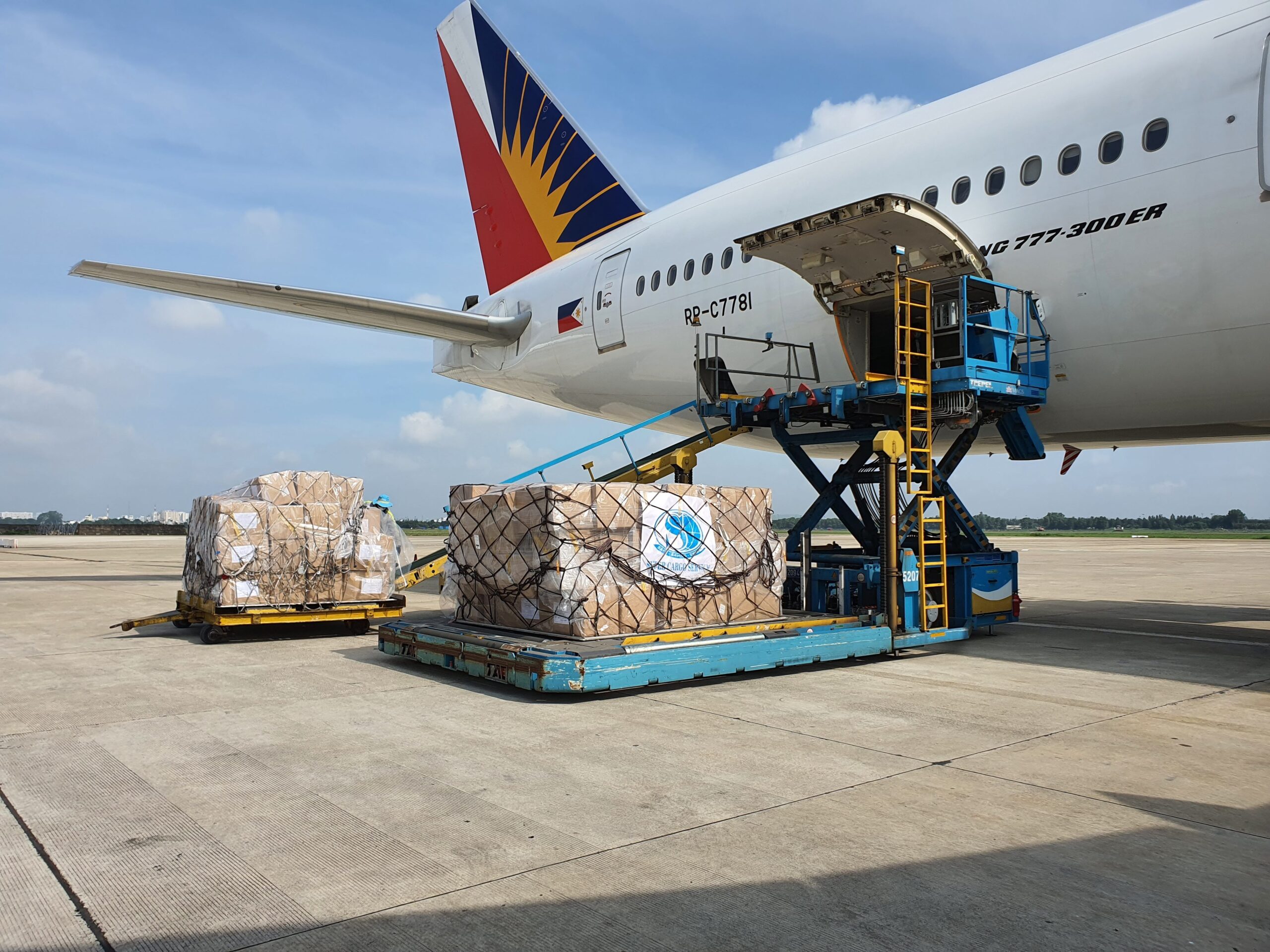
Singapore Airlines pilots will continue flying the five aircraft, while SIA engineers will oversee their maintenance. The freighters connect DHL’s South Asia Hub in Singapore with key destinations in the United States, supporting time-sensitive express and ecommerce shipments moving between Asia Pacific and international markets.
Each Boeing 777 freighter can carry up to 102 tonnes. The aircraft give DHL dedicated capacity rather than leaving the entire flow dependent on space available on passenger aircraft or third-party cargo services, while Singapore Airlines provides the crews and engineering capability needed to operate and maintain the fleet from Changi.
Travis Cobb, Executive Vice President for Network Operations and Aviation at DHL Express, said the five aircraft had become “an integral part of our intercontinental operations”. Renewal keeps the existing fleet in place rather than adding another tranche of aircraft, making continuity of capacity the immediate operating development.
The original agreement dates from 2022, when the partners began introducing the five dual-liveried 777 freighters into service. The aircraft subsequently became part of DHL’s intercontinental express network, with Singapore acting as the home base for flights connecting the regional hub with the US.
Express air networks depend on tighter schedule control than many general cargo movements because shipments are sold against defined delivery commitments. A delayed long-haul sector can miss a hub sorting window, affecting connecting flights, road departures, courier operations, and final delivery performance several stages further through the network.
Dedicated freighter capacity gives an integrator more control over those schedules, although aircraft availability remains tied to crew planning, engineering, airport slots, ground handling, and maintenance. The renewed structure divides those responsibilities between DHL’s logistics network and Singapore Airlines’ aviation operation rather than requiring DHL to reproduce a separate local airline infrastructure for five aircraft.
The 777F also gives the operation long-range capability with a two-engine freighter. DHL highlighted fuel and emissions improvements against older four-engine aircraft when the original partnership was announced, although the current renewal is principally about maintaining network capacity rather than introducing a new aircraft type.
Changi’s role extends beyond the aircraft. DHL’s South Asia Hub sorts regional express traffic before it enters or leaves intercontinental services, giving the five freighters a consolidated flow of shipments rather than operating as isolated point-to-point capacity. Singapore’s position within Asian manufacturing and trade networks makes that hub function particularly important for time-critical cross-border freight.
DHL is also adding more specialised cargo infrastructure at the airport. The company is building a 3,047 sq m pharmaceutical cold chain facility at Changi with controlled-temperature handling and direct airside access, due for completion by the end of 2027. The project sits in a different DHL business but increases the range of specialist freight that can be handled through the same gateway.
Those investments illustrate the two sides of air logistics capacity. Aircraft determine how much cargo can move between regions, while airport infrastructure determines how efficiently and reliably shipments can be received, sorted, stored, transferred, and released. Adding one without sufficient capability in the other simply moves the bottleneck.
The renewed SIA agreement also reduces the disruption associated with changing operating partners or relocating aircraft. Long-haul freighter networks are planned around recurring schedules, customer cut-offs, hub connections, and downstream transport. Keeping the same aircraft base, flight crew model, and maintenance arrangement allows DHL to maintain those processes while continuing to adjust the wider network around demand.
No additional aircraft have been announced under the renewal, so the agreement should not be read as a five-aircraft expansion. It secures an existing fleet whose capacity has already been incorporated into DHL’s Asia Pacific and US services. For customers, the relevant outcome is that the underlying lift remains committed rather than being withdrawn or restructured.
The five freighters have moved from a fleet introduction programme into established network infrastructure during the past four years. Their continued operation from Singapore gives DHL a predictable block of long-haul capacity, while SIA retains responsibility for two of the functions that determine whether that capacity actually flies: qualified crews and aircraft maintenance.