IN Brief:
- PPMC has secured long-term lease agreements with Chevron Philippines, Shell, and Petron at San Fernando International Seaport.
- The agreements preserve established petroleum handling and storage operations inside the Poro Point Freeport Zone.
- Port management is combining commercial continuity with current structural assessment work covering the seaport’s three piers.
The Bases Conversion and Development Authority (BCDA) and its subsidiary Poro Point Management Corporation have secured long-term lease agreements with Chevron Philippines, Shell, and Petron at San Fernando International Seaport, preserving established fuel handling operations in Northern Luzon.
The agreements cover three existing petroleum operators inside the Poro Point Freeport Zone in La Union. By renewing their tenancy, PPMC keeps the terminal footprint used for fuel storage and distribution in place while the wider port continues through a period of infrastructure assessment and development.
Fuel terminals are difficult logistics assets to replace quickly. Storage tanks, marine transfer systems, safety controls, loading infrastructure, and road distribution arrangements are tied to fixed sites, so uncertainty around leases can become an operational risk even when vessels, product supply, and downstream demand remain stable.
The companies already form part of Poro Point’s industrial base. The renewed agreements therefore represent continuity rather than the arrival of three new users, but that continuity has commercial value because it secures the physical operating locations on which established regional fuel flows depend.
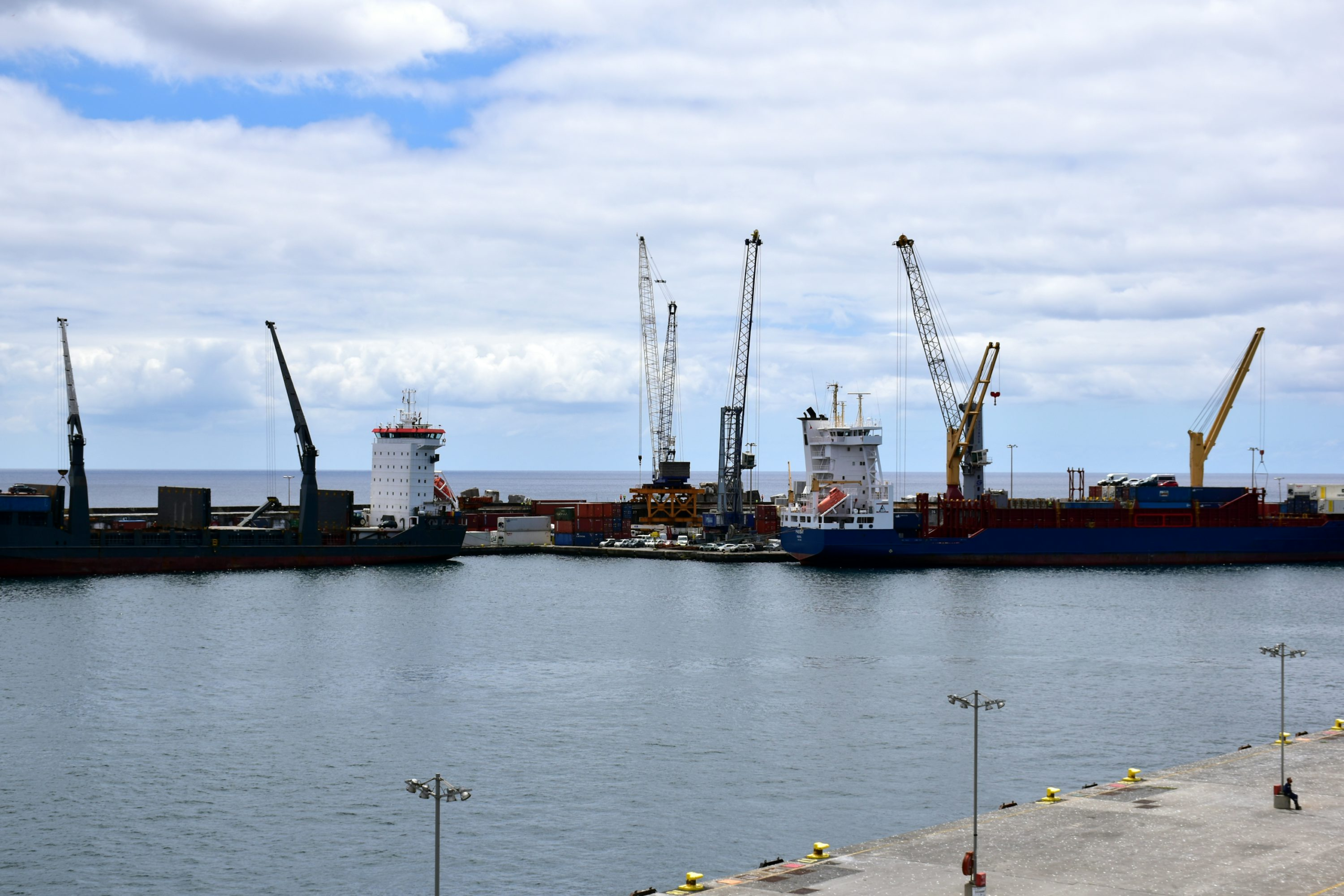
San Fernando International Seaport sits within the 236-hectare Poro Point Freeport Zone and handles a broader mix of industrial cargo. PPMC reporting shows petroleum products moving through the facility alongside agricultural commodities, industrial chemicals, and mineral exports, giving the port a role beyond fuel logistics alone.
Management of the seaport transferred from Poro Point Industrial Corporation to BCDA and PPMC on 1 December 2024. The transition was intended to preserve cargo handling, customs brokerage, warehousing, and other port services, while giving the new management structure responsibility for future development.
PPMC subsequently reported more than PHP50 million in revenue from port leases, vessel and cargo fees, and government shares from port services between December 2024 and May 2025. The figure indicates that the port is already operating as a commercial logistics asset rather than a development site waiting for future traffic.
Physical condition remains part of that development work. In 2026 PPMC began procuring a structural integrity study covering the seaport’s three piers, adding an engineering assessment to the commercial effort around tenants and cargo operations.
The port footprint includes three main pier structures, while PPMC also oversees the separate Soiltech Pier for bulk cargo. That arrangement supports a mixture of petroleum, agricultural, chemical, and mineral traffic, making berth condition and handling capacity relevant to several industrial supply chains at the same time.
For fuel logistics, the long-term leases reduce one category of uncertainty. The agreements do not remove exposure to vessel delays, weather, maintenance, or road disruption, but they keep the terminal locations and associated operating rights in place while those day-to-day risks are managed.
Northern Luzon relies on a combination of road, port, and storage infrastructure to move fuel and other essential commodities across a region containing agricultural production, industrial activity, and growing urban demand. Bulk deliveries through a seaport can replenish regional storage in volumes that would be difficult to replicate economically through road transport alone.
Keeping several petroleum suppliers at the gateway also preserves a degree of commercial diversity. Separate companies can maintain their own supply arrangements and customer networks while using the same broader port environment, reducing dependence on a single operator for all fuel movements through the site.
The leases also strengthen the case for continued investment in San Fernando. Established tenants provide recurring industrial traffic against which improvements to piers, access, utilities, and cargo handling infrastructure can be assessed. Without that operating base, investment decisions would depend more heavily on prospective cargo that has yet to materialise.
There is still a distinction between securing tenancy and improving port performance. Long-term agreements protect the commercial footprint, but throughput will depend on berth condition, vessel access, storage capability, safety systems, and landside distribution remaining capable of supporting the volumes handled by each operator.
The current structural study will therefore be an important part of the next phase. If pier condition requires significant work, PPMC will have to sequence engineering activity around existing cargo operations while preserving access for the tenants whose leases it has just renewed.
Poro Point has secured continuity on the commercial side of the port. The next test is whether the infrastructure programme can support that continuity with enough capacity and reliability for the fuel, agricultural, chemical, and mineral flows already using the site.