IN Brief:
- Paradip Port Authority has commissioned more than ₹21.32 crore of radiological detection equipment at New Gate No. 1.
- The installation includes VMS 4030 vehicle monitoring systems, isotope identifiers, and high-precision radiation survey meters.
- ECIL will support the equipment through a 12-month warranty followed by a 10-year comprehensive maintenance contract.
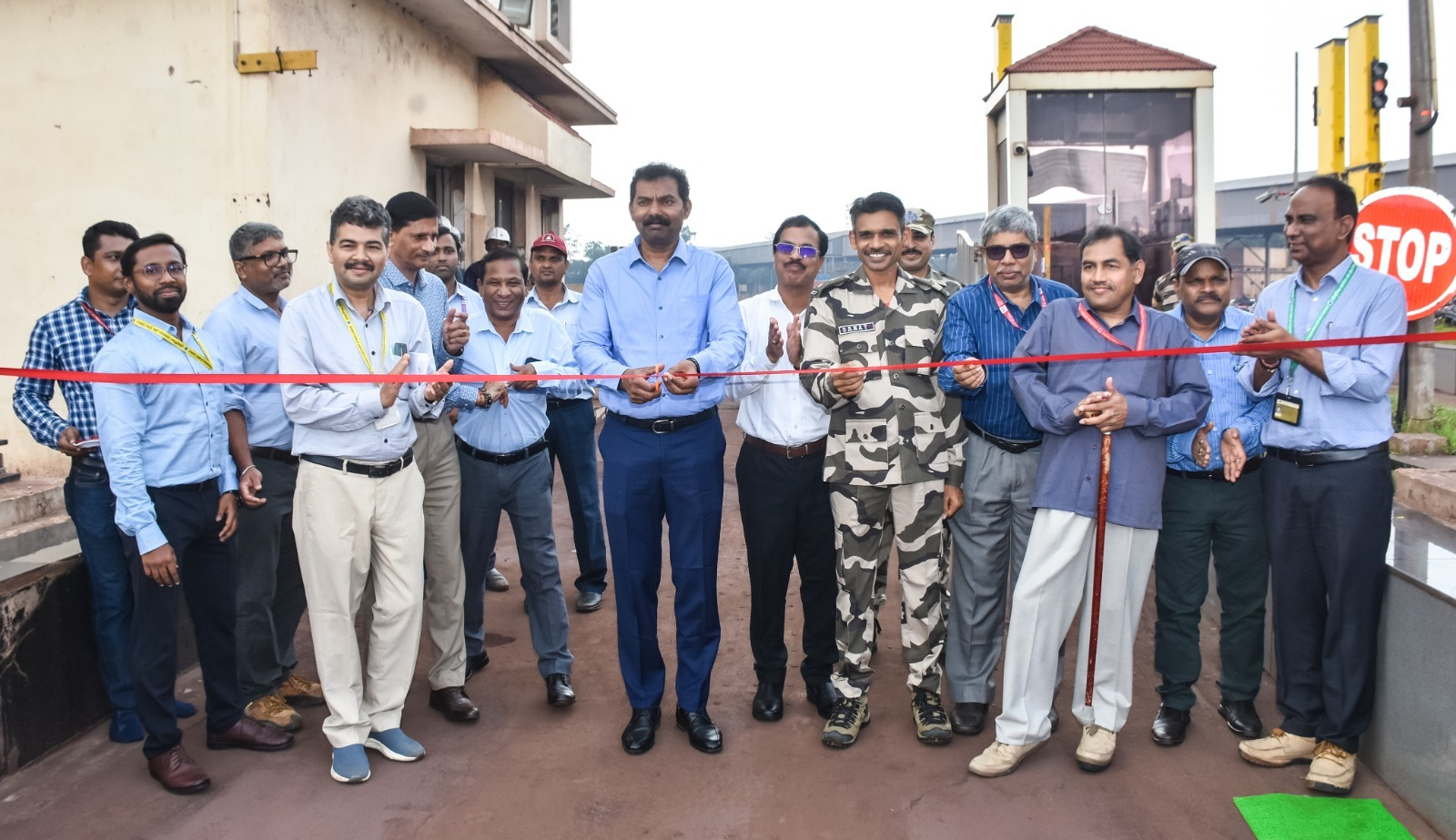
Paradip Port Authority has commissioned more than ₹21.32 crore of radiological detection equipment at New Gate No. 1, adding fixed vehicle monitoring and follow-up identification systems to the port’s cargo access infrastructure.
Electronics Corporation of India Limited supplied and installed the system, which combines VMS 4030 vehicle monitoring equipment, isotope identifiers, and high-precision radiation survey meters. The package includes a 12-month warranty followed by a 10-year comprehensive annual maintenance contract.
The fixed monitoring equipment provides the first screening layer as vehicles and cargo pass through the gate. Where a reading requires investigation, isotope identification equipment and portable survey meters provide additional information about the source rather than relying on one alarm to determine the response.
The arrangement creates a layered process around normal vehicle movement. Routine traffic can pass through fixed monitoring equipment while security teams retain additional instruments for vehicles or loads that trigger an abnormal reading.
Gate infrastructure has a direct effect on cargo flow because every additional inspection process risks adding time to a truck visit. A port can strengthen screening without materially affecting throughput only if routine vehicles continue moving while exceptions are diverted quickly for more detailed examination.
Fixed detection equipment is suited to that model because the initial measurement occurs as part of the vehicle pathway rather than requiring every driver to stop for the same manual inspection. The equipment does not remove intervention where a reading requires further examination, but it concentrates that effort on the movements generating an alert.
The 10-year maintenance arrangement is as important operationally as the original hardware purchase. Detection systems installed at a busy port gate have to remain calibrated and available over long periods, and a failed or unreliable unit can create both a security gap and a traffic management problem.
Long-term technical support also gives Paradip a defined route for preventive maintenance, fault response, and equipment servicing after the initial warranty period. The project announcement does not publish target availability or response times, so the eventual performance of that support contract will depend on the detailed maintenance regime agreed with ECIL.
The equipment sits alongside wider efforts to increase the amount of data captured around port operations. Paradip already uses digital systems across cargo and gate activity, and radiological monitoring adds another physical sensor layer at the boundary between the road network and secure port estate.
Security systems increasingly overlap with logistics infrastructure because they occupy the same physical route as freight. Vehicle identification, document checks, access control, scanning equipment, and barriers all compete for space around the gate, while yard operations depend on trucks reaching loading and unloading areas without unnecessary delay.
A radiological alarm therefore becomes both a security event and a traffic exception. The vehicle must be moved into a position where additional checks can be carried out without blocking the lane used by following trucks, while the operator needs a clear record linking the alarm with the cargo and vehicle involved.
The isotope identification capability should give security teams more information during that secondary process. Detecting radiation establishes that further investigation is required; identifying the likely isotope provides additional evidence for deciding whether a reading is associated with legitimate material, an industrial source, contamination, or another condition requiring escalation.
Paradip has not published detection thresholds, lane processing rates, false-alarm performance, or throughput data for the installation. No claim can therefore be made yet about how much the system changes average gate time or the number of security incidents identified.
The commissioning instead establishes the equipment architecture: fixed vehicle monitoring, isotope identification, portable survey capability, and long-term maintenance support operating from one of the port’s principal access points.
That combination gives Paradip more than a standalone detector. It provides equipment for initial screening and follow-up investigation, backed by a maintenance programme intended to keep those systems available throughout a decade of routine cargo traffic.
The operational measure will now be whether that infrastructure can remain dependable without becoming a new source of gate delay. At a high-volume industrial port, security equipment has to perform two functions at once: identify the small number of movements that need closer attention while allowing the remainder of the freight stream to continue moving.