IN Brief:
- CWIT capacity has increased from 1.6 million to 3.2 million TEU following its US$750 million Phase II expansion.
- The automated deep-water terminal can berth three ultra-large container vessels simultaneously and operates with fully electrified terminal equipment.
- CWIT has handled two million TEU within its first 18 months and forms part of Colombo’s planned expansion towards 13 million TEU annual port capacity.
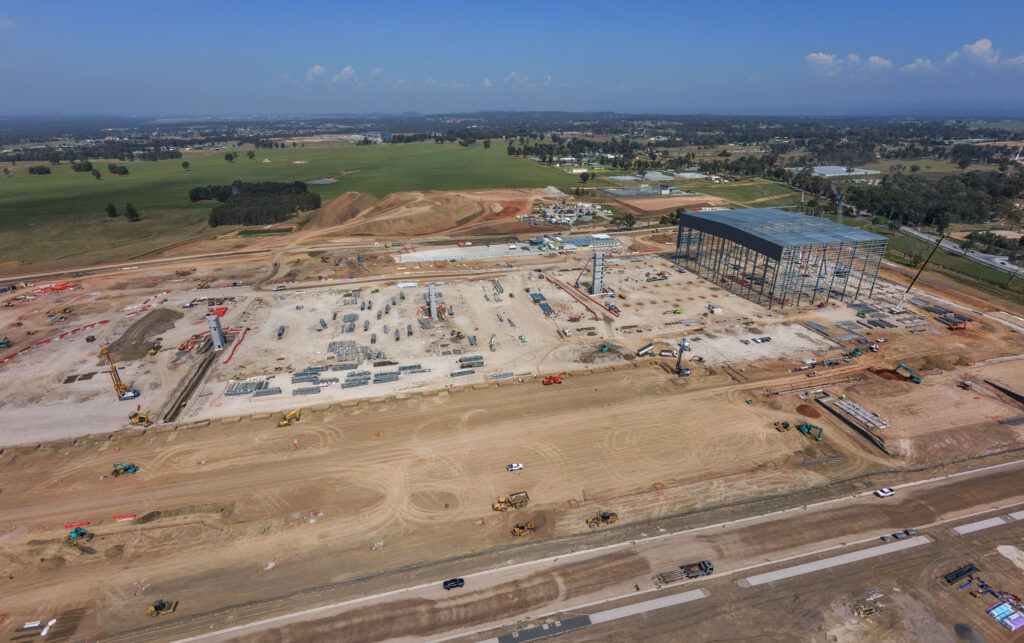
Adani Ports and Special Economic Zone has completed the Phase II expansion of Colombo West International Terminal, doubling annual handling capacity from 1.6 million to 3.2 million TEU after a total investment of US$750 million.
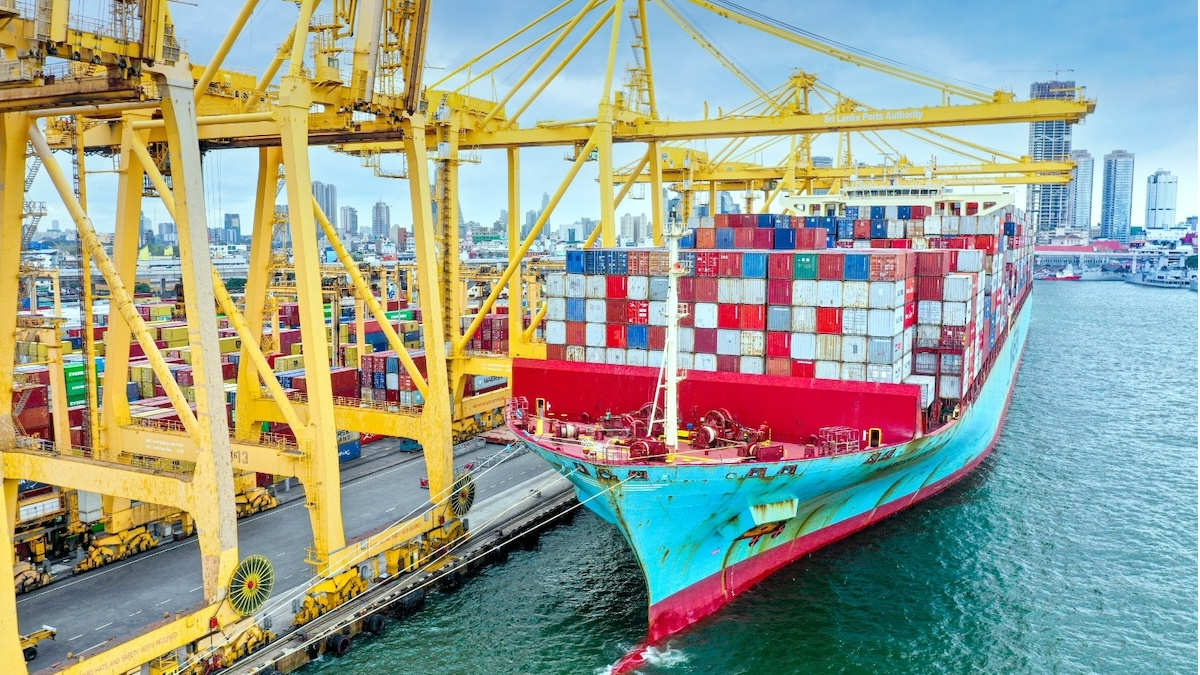
Sri Lankan Prime Minister Dr Harini Amarasuriya inaugurated the expanded facility on 1 October. The additional capacity allows CWIT to berth three ultra-large container vessels simultaneously, increasing the amount of ship and yard activity the terminal can accommodate during periods when several major services call at Colombo in close succession.
CWIT is operated by APSEZ, John Keells Holdings, and the Sri Lanka Ports Authority under a 35-year build, operate and transfer concession. The terminal has already handled two million TEU during its first 18 months of operation and is intended to contribute close to a quarter of the Port of Colombo’s targeted 13 million TEU annual capacity by 2028.
The development combines deep-water infrastructure with a highly automated operating model. CWIT is Sri Lanka’s first fully automated deep-water container terminal and is designed to serve the largest container vessels through fully electrified terminal operations with no tailpipe emissions from the handling equipment covered by that operating model.
Colombo’s position in the Indian Ocean makes transshipment central to the terminal’s workload. Containers arriving on long-haul services are transferred between vessels before continuing towards regional markets, placing pressure on berth productivity, yard handling, storage, and feeder connections when several large ships arrive within a compressed timetable.
The second phase provides more physical headroom across that sequence. Berthing three ultra-large vessels at the same time gives the terminal greater flexibility when services overlap, while additional yard capacity allows more boxes to move between ship, temporary storage, and onward connections without relying on a single berth cycle to clear before the next begins.
Larger vessels can intensify terminal workloads even where annual container volumes change relatively slowly. A ship carrying a greater number of boxes can generate thousands of crane and yard moves within one call, concentrating activity into shorter periods and making equipment coordination as important as nominal terminal capacity.
Automation is intended to manage part of that complexity by coordinating repetitive handling tasks across a larger volume base. The expansion does not remove the need for equipment maintenance, planning, exception handling, or labour, but it increases the amount of terminal activity that can be managed through a standardised operating system rather than relying entirely on manual intervention.
The electrified equipment base also links capacity growth with the terminal’s energy and emissions strategy. Container handling involves continuous movements between quay and yard, with heavy machinery operating for long periods during vessel calls. Electrification removes local exhaust emissions from those machines, although total environmental performance will continue to depend on electricity supply, equipment utilisation, and the wider transport network serving the port.
CWIT has recorded 17 million safe working hours and generated more than 3,000 direct and indirect jobs during its development and operation. Those figures sit alongside the automation programme rather than contradicting it: larger automated terminals still require engineering, maintenance, planning, safety, systems, and operational staff even where individual container movements involve less manual intervention.
The expansion also strengthens APSEZ’s position beyond its Indian port portfolio. Colombo sits on the main east-west trade route and provides the group with a transshipment operation serving cargo that may never enter the Sri Lankan domestic market. Its performance is therefore tied as much to shipping network decisions and regional feeder connections as to local import and export demand.
Design capacity alone will not determine future volumes. Shipping lines decide where to transship according to vessel schedules, operating cost, terminal productivity, connectivity, and reliability, while competing hubs across the region continue to invest in their own infrastructure.
CWIT now has capacity for 3.2 million TEU and three simultaneous ultra-large vessel calls. The next operational measure will be how much of that additional capacity shipping lines use as Colombo works towards its wider 2028 port target.