IN Brief:
- Logistics operations for several H&M Group brands began at Bleckmann’s Crick facility in early August 2026.
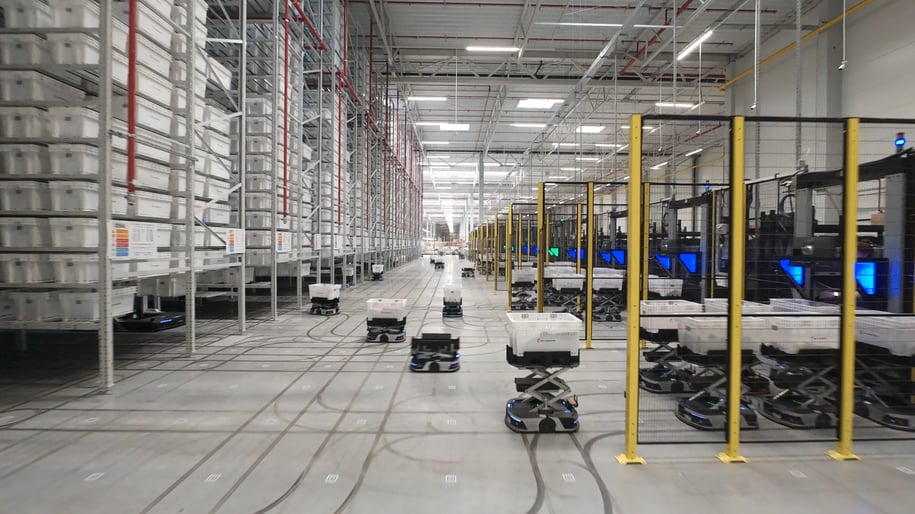
- Bleckmann is now implementing AutoStore alongside automation already specified for the 100,000m², 21-metre-high distribution centre.
- The investment is intended to increase storage and fulfilment capacity while supporting the fashion 3PL operation as customer volumes develop.
Bleckmann has started logistics operations for H&M Group brands at its Crick distribution centre in Northamptonshire and is adding an AutoStore system as the latest automation investment at the 100,000m² site.
The H&M operation went live in early August, with several group brands now being supported from the Midlands facility. Bleckmann confirmed the new customer arrangement at the end of September and said work is under way on the AutoStore implementation to increase efficiency, capacity, and flexibility.
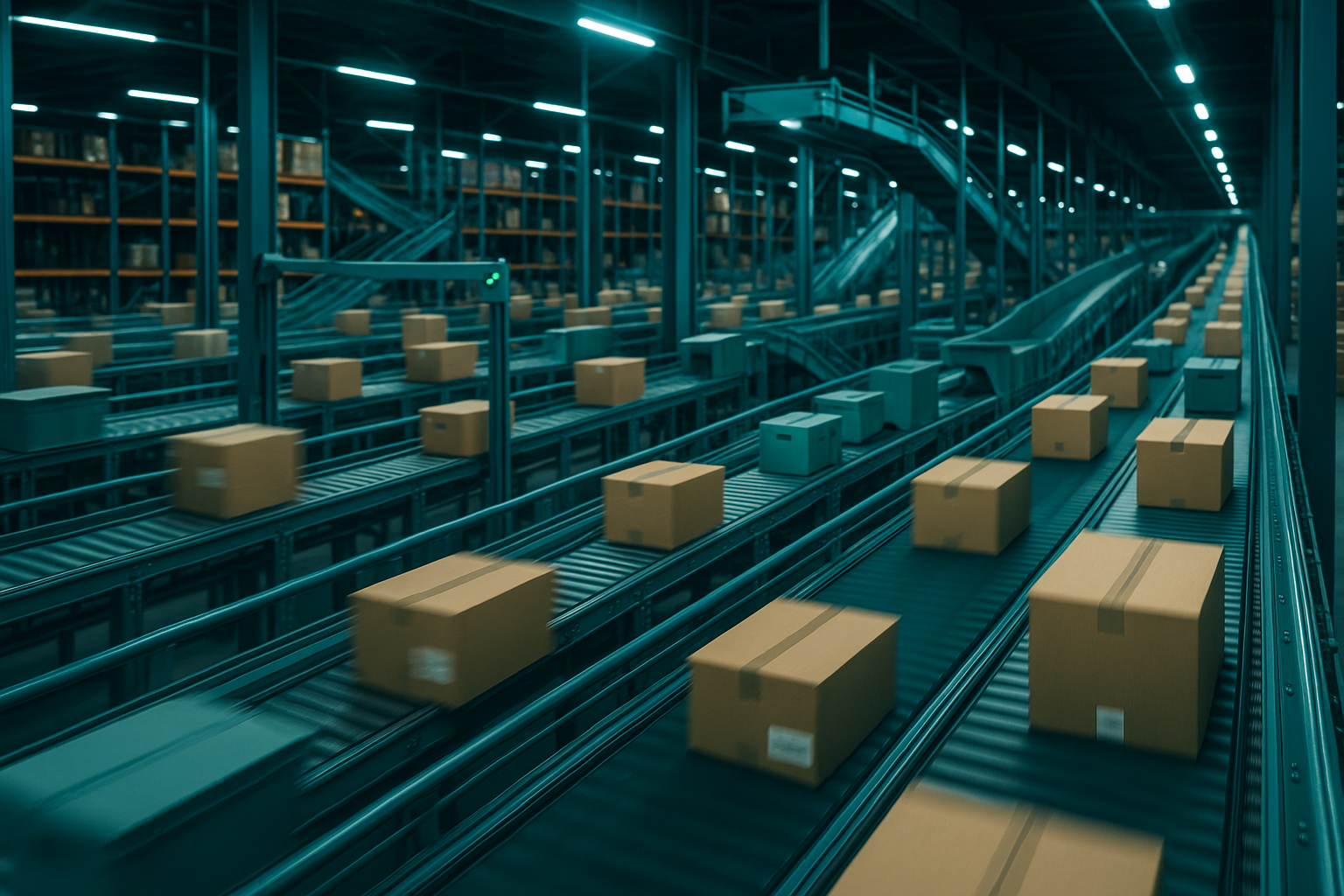
The automation programme builds on infrastructure already planned for Crick rather than converting an otherwise manual warehouse from scratch. When Bleckmann announced the distribution centre in 2025, it specified a 100,000m² building with a height of 21 metres, an automated storage and retrieval shuttle system, and provision for a future AutoStore installation.
The latest announcement therefore marks the move from provision to implementation. H&M activity is already live, while the additional storage system is being introduced around an operating 3PL environment rather than being commissioned before the first customer volume enters the building.
That sequencing creates a different engineering problem from automating an empty warehouse. Existing flows still need to be received, stored, picked, packed, and dispatched while equipment is installed and connected with warehouse software and surrounding handling processes.
Fashion logistics makes that integration particularly sensitive to inventory accuracy. A single garment style can exist across several colours and sizes, creating large SKU counts even where the physical product is relatively small. Seasonal launches and promotional activity can change demand quickly, while returns create substantial reverse flows back into inspection and available stock.
Automated high-density storage can reduce the floor area required for accessible inventory by stacking bins vertically and bringing the required stock towards picking stations. That reduces walking and allows more of the warehouse cube to be used, but it places greater reliance on controls, robot availability, workstation design, and the connection with order management systems.
Crick’s 21-metre building height gives Bleckmann considerable vertical space to work with, although AutoStore itself will occupy only the area defined by its installed grid. The wider site already incorporates an ASRS shuttle capability, making the H&M project part of a warehouse containing several forms of mechanised storage and movement rather than one single automation platform.
Operating several technologies under one roof increases the importance of orchestration between them. Inventory stored in one automated area may eventually have to move into another process for picking, packing, returns, consolidation, or dispatch, and productivity depends on those handovers remaining balanced.
A high-throughput automated storage system can simply expose a slower downstream process if packing stations, conveyors, sortation, or carrier collections cannot absorb the additional volume. Capacity therefore has to be considered across the complete fulfilment process rather than measured solely by the number of bins or robots inside the storage installation.
Bleckmann specialises in fashion and lifestyle logistics, where outsourced fulfilment allows brands to use infrastructure and operational expertise without building dedicated national warehouses. For a 3PL, however, automation also has to remain useful as customer portfolios and demand profiles change.
That places a premium on systems that can expand incrementally or be integrated with several client processes. Fashion volumes are rarely static throughout the year, and capacity that is sufficient for normal weeks may face significantly different workload during launches, sales events, or seasonal peaks.
The Crick location also supports transport access. The distribution centre sits at DIRFT in the Midlands logistics Golden Triangle, placing it near major road corridors used for national distribution and within one of the UK’s largest concentrations of warehouses, carriers, and logistics labour.
Location alone does not solve warehouse capacity constraints. As additional customer activity moves through a site, the internal flow between receiving, storage, picking, packing, and dispatch becomes more important. The current AutoStore project increases the amount of mechanised capacity available within that sequence.
Bleckmann has not disclosed the number of robots, bins, ports, or the planned throughput of the Crick AutoStore installation. Those figures will determine the physical scale of the system once commissioned and should not be inferred from the company’s AutoStore operations at other European warehouses.
The current position is nevertheless clear: H&M Group operations are live, Crick already has an automation-led warehouse design, and the planned AutoStore element is now being installed rather than held as a future option. The next meaningful milestone will be commissioning, when the new system begins carrying live inventory within an operation that is already serving the fashion group.