IN Brief:
- Adriatic Gate Container Terminal has handled four million TEU since joining ICTSI in 2011, five years after reaching two million TEU.
- A €35 million equipment programme added two super post-Panamax quay cranes and two hybrid rubber-tyred gantry cranes.
- AGCT has introduced two BYD electric terminal tractors and is progressively converting existing RTGs from diesel to hybrid operation.
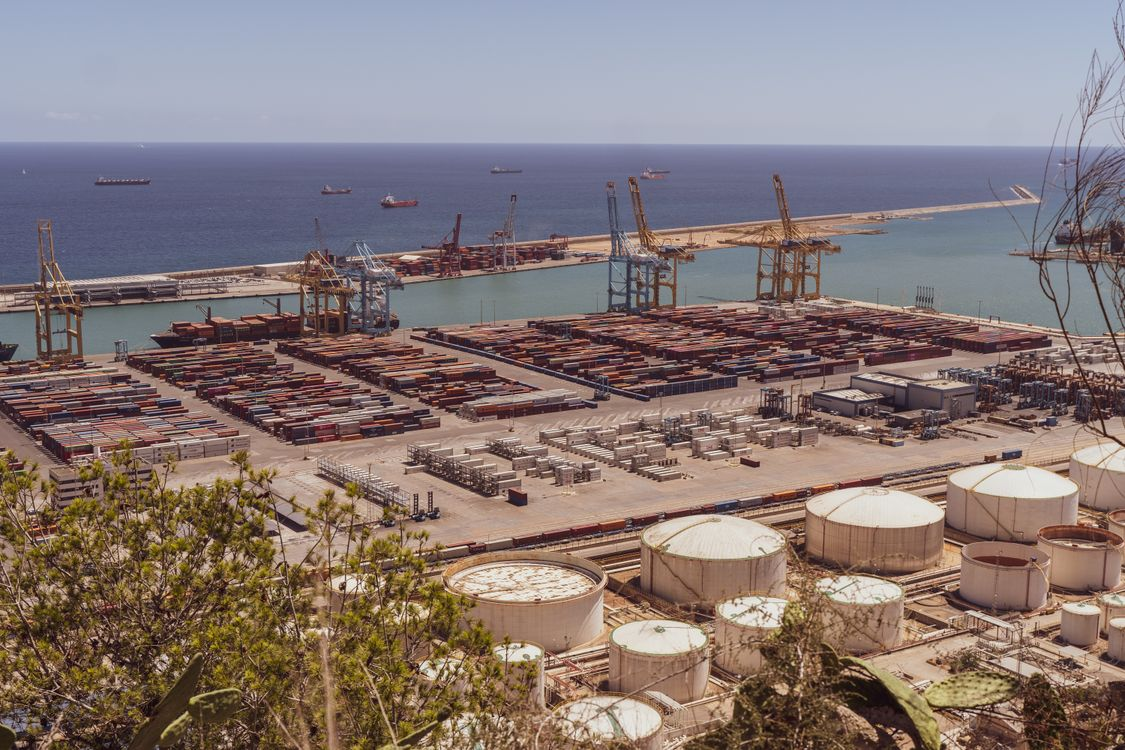
International Container Terminal Services has passed four million cumulative TEU handled at Adriatic Gate Container Terminal in Rijeka, with the milestone arriving as the Croatian operation continues to invest in larger cranes and lower-emission yard equipment.
AGCT has handled four million twenty-foot equivalent units since joining the ICTSI group in 2011. The terminal crossed two million TEU five years ago, placing the latest milestone within a period of sustained container growth and investment in equipment capable of serving larger vessels and inland cargo flows.
The figure is cumulative rather than an annual throughput record. Its significance lies less in the number itself than in how the terminal has changed while moving from its second to fourth million TEU, particularly across ship-to-shore handling, yard equipment, and landside transport.
In late 2025, AGCT completed a €35 million investment programme that added two super post-Panamax quay cranes and two hybrid rubber-tyred gantry cranes. The quay equipment increases the terminal’s ability to work the largest container vessels calling at Adriatic ports, while the hybrid RTGs add yard handling capacity with lower diesel consumption than conventional machines.
Large quay cranes address only one part of a container call. Bigger vessels concentrate thousands of container movements into a relatively short working window, requiring the yard to receive boxes from the quay, place them into stacks, retrieve outbound units, and feed road and rail operations without allowing congestion to build behind the ship-to-shore cranes.
The hybrid RTGs therefore form part of the same capacity programme. Increasing crane productivity at the berth without matching yard capability can simply transfer the bottleneck further inland, particularly during large vessel exchanges when several equipment types are operating continuously across the terminal.
AGCT has also started replacing diesel terminal tractors with electric units. Two BYD electric tractors entered the landside fleet in April after the terminal previously tested the technology and provided operating feedback to the manufacturer.
Terminal tractors spend much of their working lives shuttling containers between quay cranes, storage blocks, rail areas, and other transfer points. Their operating pattern involves frequent acceleration, stopping, and relatively short journeys within a controlled industrial site, making the duty a practical target for electrification where charging infrastructure can be integrated into the terminal schedule.
AGCT is taking a mixed approach rather than attempting to electrify every item of heavy equipment simultaneously. Existing RTGs are being converted from diesel to hybrid operation while terminal tractors begin moving towards full battery power.
That staged programme reflects the different demands placed on terminal equipment. An RTG lifting loaded containers through repeated vertical cycles has a different energy profile from a tractor carrying trailers around the yard, and the economics of battery operation, hybridisation, and conventional power vary according to utilisation and duty cycle.
Charging also introduces an operational constraint that diesel fleets do not face in the same form. Electric tractors need sufficient charging opportunities without reducing the number of vehicles available during vessel peaks. Fleet size, charger output, electricity infrastructure, and maintenance therefore determine whether electrification can be introduced without reducing yard productivity.
Much of Rijeka’s container traffic moves beyond Croatia through road and rail services serving inland markets including Austria, the Czech Republic, Hungary, Serbia, and Slovakia. Terminal equipment performance consequently affects a wider logistics corridor rather than cargo destined only for the immediate port region.
Rail connectivity is particularly important where shippers are using Rijeka as an alternative gateway into Central Europe. Containers discharged efficiently from a vessel still need to be transferred through the yard and presented for inland transport on schedule if the port is to compete effectively with northern European and other Adriatic gateways.
ICTSI has continued to position AGCT around that regional role, combining equipment investment with infrastructure and intermodal connectivity. The terminal’s four-million-TEU milestone provides evidence of accumulated volume, but it does not establish how quickly future traffic will grow or how much spare capacity remains available.
The operational question now sits with the equipment installed around that growth. Larger quay cranes increase vessel handling capability, hybrid RTGs support the yard, and electric tractors are starting to change the landside fleet. Maintaining productivity across those interfaces will determine whether new machinery translates into shorter vessel and container dwell times rather than simply more installed capacity.
Rijeka’s next milestone will therefore depend on more than another increase in cumulative TEU. The terminal is progressively changing the machinery used to move each container between ship and hinterland, and the useful measure will be whether those investments allow it to handle larger vessel exchanges and inland volumes without pushing congestion from one part of the operation to another.