IN Brief:
- Bunge and ABP have handled more than one million tonnes of grains and oilseeds at Immingham since their partnership began in 2022.
- Addition of Shed 36 has increased total agribulk storage capacity to approximately 75,000 tonnes.
- The operation handles imported feed ingredients and exports including feed wheat, malting barley, beans, and rye.
Bunge and Associated British Ports have handled more than one million tonnes of grains and oilseeds through their joint agribulk operation at the Port of Immingham, following an expansion that has increased storage capacity to approximately 75,000 tonnes.
The partnership began in 2022 with the commissioning of Shed 35 at ABP’s Humber International Terminal. Demand subsequently led to development of a second purpose-built facility, Shed 36, creating one of the larger dedicated agribulk storage operations in the Humber region.
The one-million-tonne figure covers cumulative cargo handled since the operation began rather than annual throughput. Volumes include imported feed ingredients such as certified sustainable soya meal and sunflower meal, alongside exports of feed wheat, malting barley, beans, and rye.
The mix places the terminal on both sides of the agricultural supply chain. Imported products move inland towards feed and food customers, while UK-grown commodities can be accumulated, stored, and loaded for international markets.
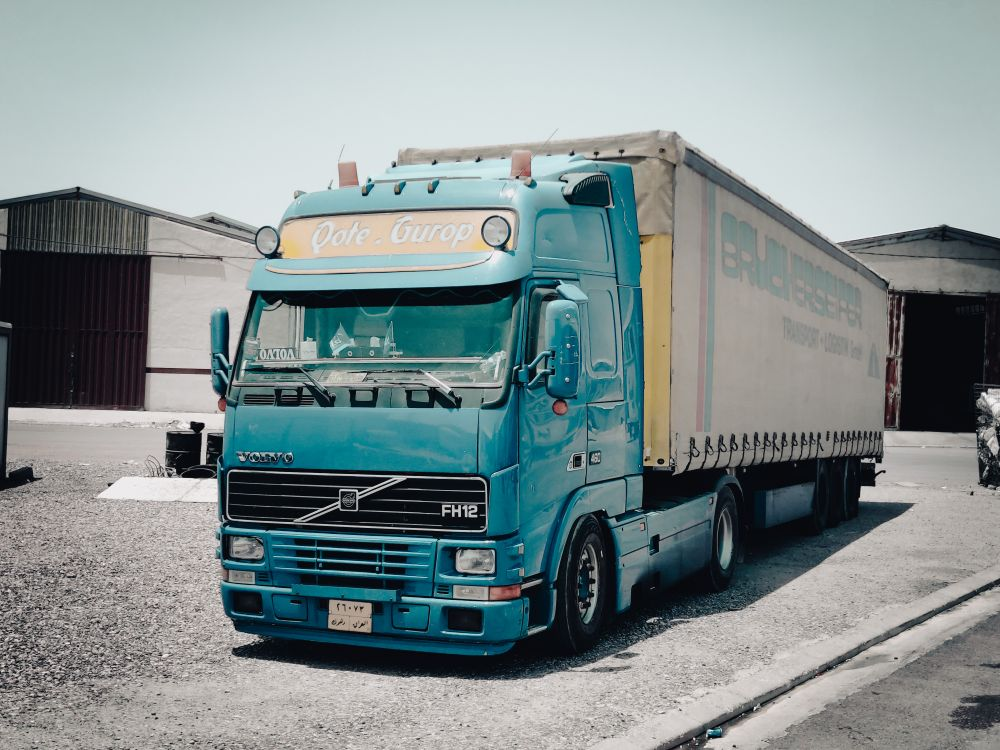
Bulk agricultural logistics differs substantially from container handling because cargo moves as large homogeneous volumes rather than individual load units. Storage sheds, vessel loading and discharge equipment, mobile handling machinery, weighing, sampling, and stock management have to operate as one process while maintaining separation between different products and grades.
The additional storage is particularly significant at the interface between vessel schedules and inland transport. Ships load or discharge substantial tonnage within a concentrated port call, while road or other domestic movements may take place over a much longer period.
Warehousing provides the buffer between those operating rhythms. Without sufficient storage, vessel operations can become dependent on trucks arriving or departing at a similar rate to the ship, leaving the terminal vulnerable to road congestion, driver availability, or changes in customer demand.
Approximately 75,000 tonnes of storage gives Bunge and ABP more room to separate maritime and inland schedules. It can also provide additional flexibility when several commodities need to be handled during overlapping periods, although segregation and cleaning remain important where products have different specifications or customers.
Commodity condition matters throughout the process. Grain and meal products can be affected by moisture, contamination, pests, and incorrect handling, so bulk storage involves more than providing covered floor space. Operators need inspection, stock control, sampling, and appropriate housekeeping around the sheds and transfer equipment.
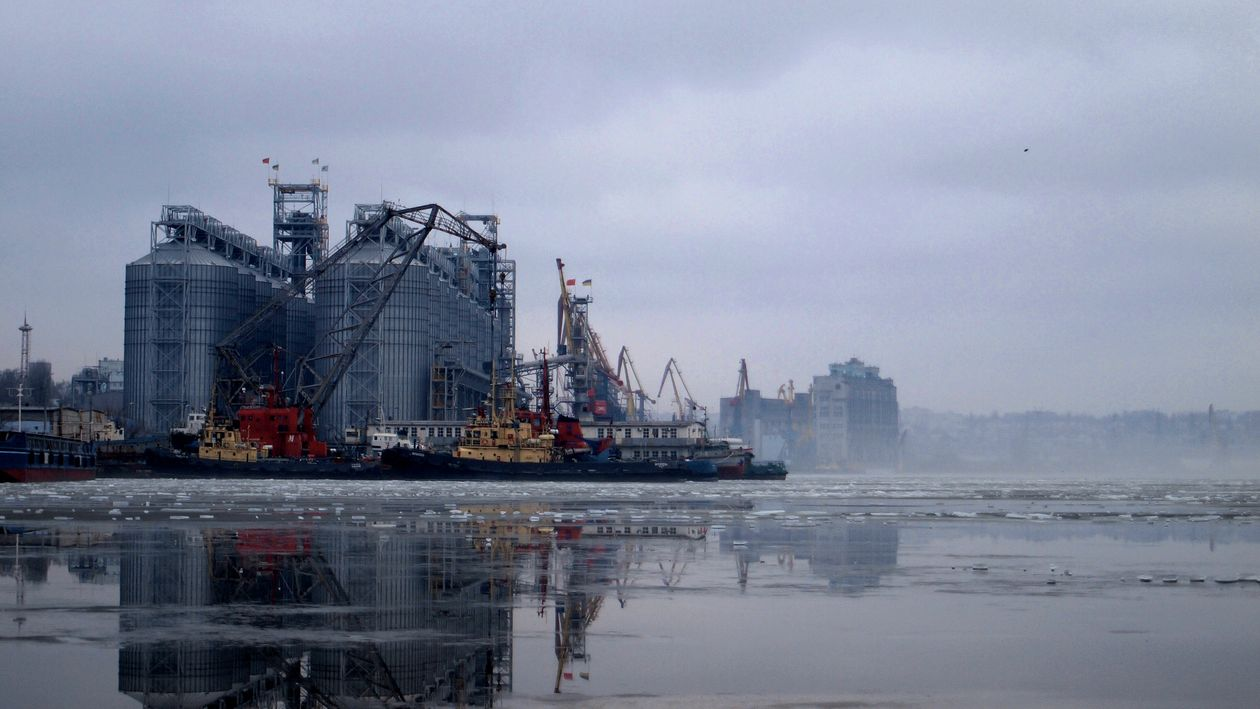
The terminal sits within an established heavy industrial port. Immingham is the UK’s largest port by tonnage, while Humber International Terminal already handles dry bulk commodities including grain and biomass. The Bunge operation therefore adds dedicated agricultural storage around existing deep-water and bulk handling infrastructure rather than creating a new standalone port facility.
That existing infrastructure gives the partnership access to equipment, marine services, road connections, and operating expertise developed around high-volume cargo. The additional sheds increase the amount of product that can be staged within that system without requiring every element of the port interface to be developed from scratch.
Bunge contributes the commodity network around the physical infrastructure. Its activities include sourcing, processing, merchandising, and logistics, linking agricultural origins with food and feed customers in domestic and international markets.
Combining those functions with ABP’s port operation gives the partnership control over a greater proportion of the movement from vessel through storage to onward distribution. The commercial value comes from coordinating those stages rather than treating the warehouse purely as rented capacity.
The million-tonne milestone does not show how intensively either storage shed is currently being used. Bunge and ABP have not published annual throughput by commodity, average dwell time, or utilisation of the 75,000-tonne capacity, so the figures should not be interpreted as evidence that the facility is continuously full.
They do show that the operation has reached sufficient scale to justify an additional purpose-built shed after only a few years of activity. For agricultural logistics, that capacity provides room to absorb differences between crop availability, international vessel schedules, and the consumption patterns of feed and food customers.
The flows also have a manufacturing consequence further down the chain. Feed mills, food processors, and livestock businesses depend on consistent access to agricultural raw materials, while growers require export capacity when products are destined for international customers.
Port storage cannot eliminate price volatility, crop variability, or shipping disruption, but it can prevent a lack of physical handling space from becoming an additional constraint. The larger Immingham operation gives Bunge and ABP more capacity to manage vessel and inland flows without requiring both sides of the supply chain to remain perfectly synchronised.
Both companies say they intend to continue developing the operation and improving efficiency. The useful measure from here will be how the expanded storage performs across changing harvests and import requirements, particularly when several commodity flows and vessel calls compete for terminal resources at the same time.