IN Brief:
- FedEx’s Dubai World Central hub secured IATA CEIV Pharma certification following assessment against more than 280 criteria.
- The 57,000 sq m facility includes a 170 sq m temperature-controlled storage area for sensitive healthcare shipments.
- FedEx combines physical cold-chain infrastructure with SenseAware sensors and its Surround monitoring and intervention platform.
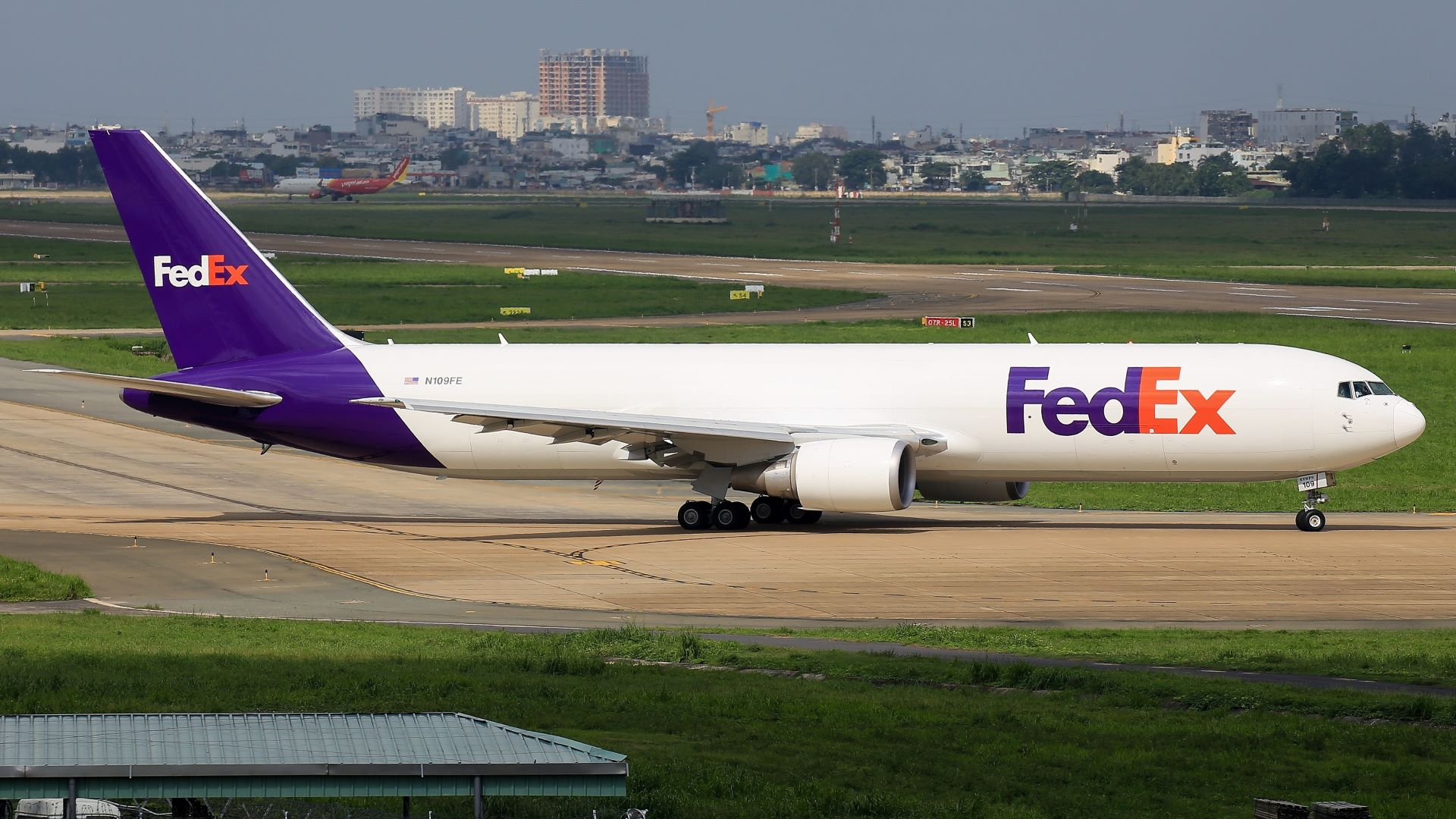
FedEx has secured IATA CEIV Pharma certification for its regional hub at Dubai World Central, extending recognised pharmaceutical-handling standards to a major Middle East gateway for temperature-sensitive healthcare shipments.
The International Air Transport Association certification followed an assessment against more than 280 criteria covering operational processes, storage facilities, equipment, quality management systems and regulatory compliance. FedEx says it now holds 30 CEIV Pharma certifications across its global air hubs and cargo-handling facilities.
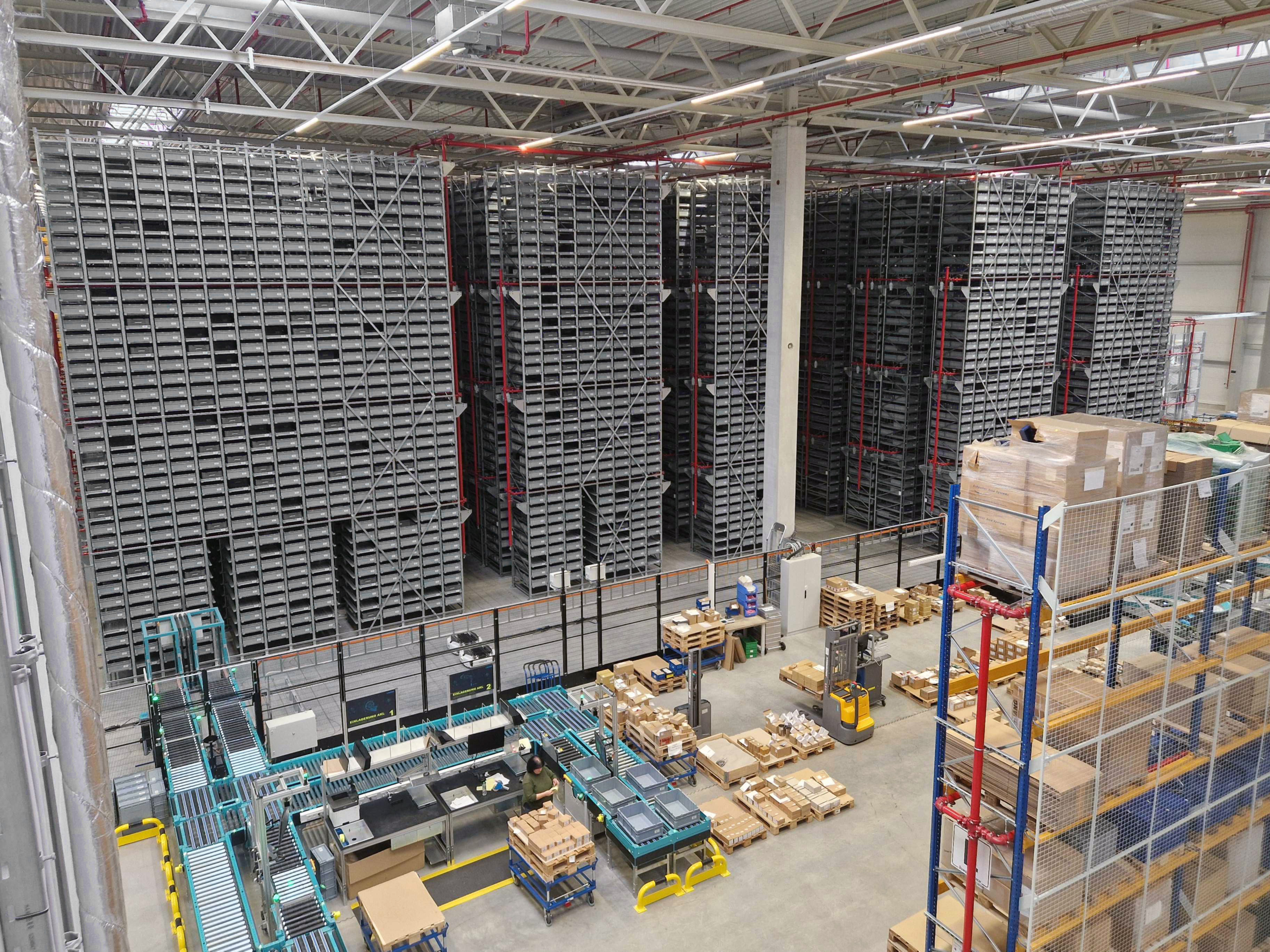
The Dubai World Central operation provides the physical infrastructure behind that certification. The hub spans 57,000 sq m and includes automation, high-speed security screening and dangerous-goods handling alongside a 170 sq m temperature-controlled storage area designed for sensitive healthcare shipments.
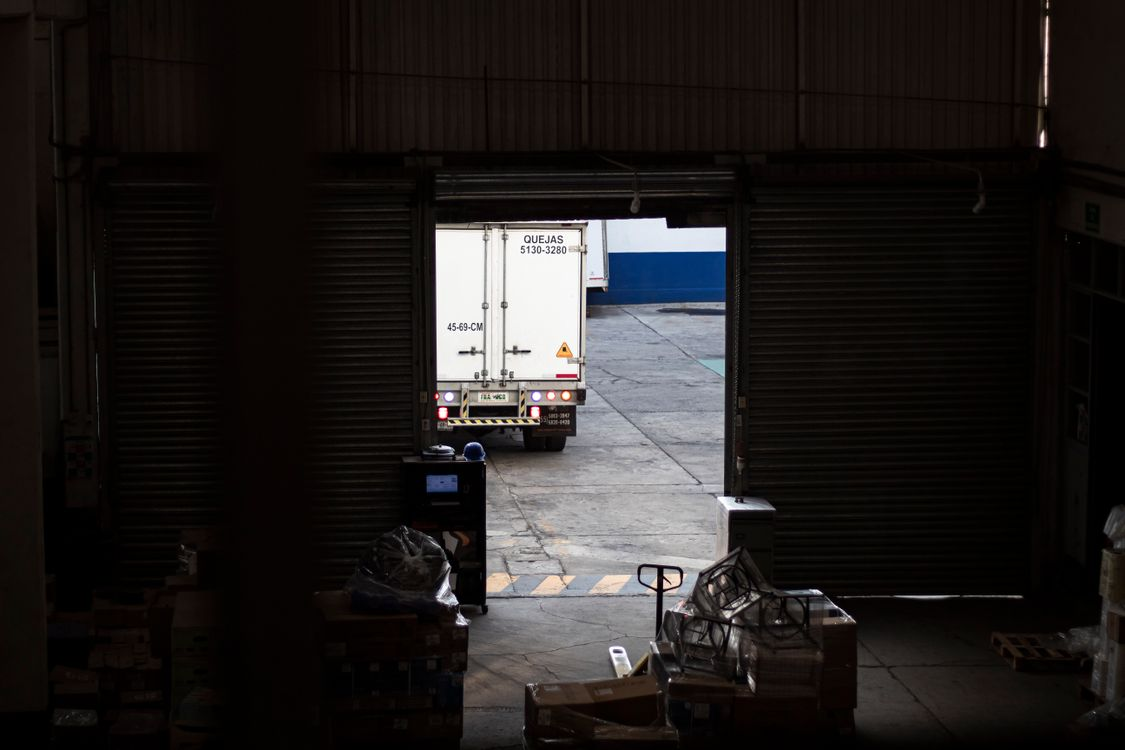
Pharmaceutical air freight depends on maintaining product integrity across a chain of handling events rather than inside one refrigerated room. Shipments can pass through acceptance, security screening, temporary storage, transfer, aircraft loading and onward ground handling before reaching the consignee. Temperature control, documented procedures and staff practices therefore have to remain consistent through each handoff.
CEIV Pharma assesses that wider operating framework. The certification covers quality-management processes, equipment, storage arrangements, compliance controls and working procedures rather than certifying one individual piece of cold-chain infrastructure. That gives shippers a common benchmark for how sensitive pharmaceutical cargo is handled at the gateway.
The Dubai hub also uses digital monitoring within its healthcare logistics operation. FedEx combines its Surround monitoring and intervention platform with SenseAware sensor technology to provide near real-time information on package location, temperature and environmental conditions.
Monitoring is most useful when an exception can trigger an operational response. A temperature alert recorded after delivery may help determine what happened, but it cannot protect the shipment that generated it. FedEx says the combination of SenseAware and Surround is intended to support proactive intervention when required.
The certification therefore links physical infrastructure with process control and shipment visibility. None of those elements removes cold-chain risk independently. Refrigerated storage cannot compensate for a poor handoff, while a sensor cannot correct an excursion unless the network has a practical route for intervening.
Dubai World Central serves as a regional gateway across the Middle East, Indian Subcontinent and Africa. That position puts the hub between regional healthcare markets and FedEx’s wider air-and-ground network, making transfer performance relevant to consignments travelling well beyond the UAE.
The UAE is also expanding its healthcare and life-sciences activity, increasing the volume of products that may require controlled international logistics. The exact logistics requirement will depend on the mix of medicines, biologics, diagnostics and other sensitive products moving through the market rather than on pharmaceutical-market growth alone.
FedEx’s certification programme extends across several regions. The company announced in August that it had reached 30 CEIV Pharma-certified air hubs and cargo-handling facilities globally, with Dubai now forming part of that network.
Consistency between certified hubs is useful where pharmaceutical cargo moves through connecting gateways. Controlled handling at origin is of limited value if the same shipment encounters weaker processes during transfer, so expanding common operating standards across the network can reduce variation between facilities.
The 170 sq m temperature-controlled area represents only a small part of the 57,000 sq m Dubai hub. Healthcare shipments therefore move through a much larger express operation handling other freight categories, placing emphasis on segregation, defined procedures and trained handling rather than creating a wholly separate pharmaceutical terminal.
High-throughput automation also has to coexist with those specialist requirements. Express hubs are designed to move freight quickly, but temperature-sensitive or regulated cargo may require deliberate exceptions to standard flow, including controlled storage, specialised handling or intervention when monitoring data falls outside an expected range.
The certification does not establish that shipment delays or temperature excursions have been eliminated, and FedEx has not published a performance comparison showing the effect of CEIV certification at the Dubai facility. It confirms that the hub has been assessed against IATA’s pharmaceutical-handling framework.
For operators moving healthcare freight through the region, the useful measure will be how those controls perform under routine hub conditions. FedEx has now combined certified procedures, controlled storage and active monitoring at Dubai World Central; maintaining those elements consistently as shipment volumes increase will determine their operational value.