IN Brief:
- TA Services has acquired the assets and operations of Carmen Pacheco Transportation and Interload Forwarding.
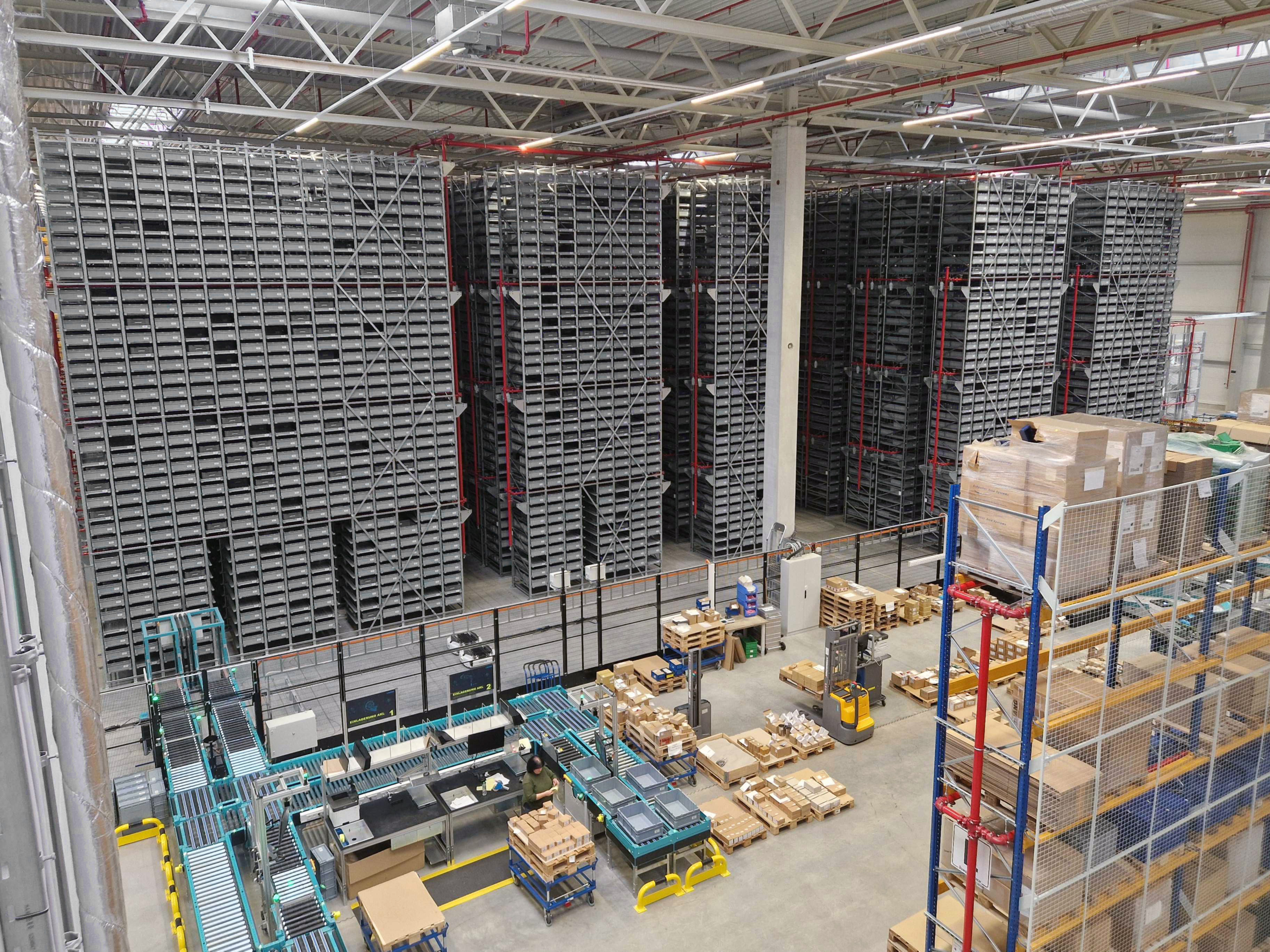
- The transaction adds five warehouses totalling more than 550,000 sq ft and an approximately 10-acre truck yard.
- Operations include transport, cross-docking, consolidation, brokerage and customs-related services around El Paso and Laredo.
TA Services has acquired the assets and operations of Carmen Pacheco Transportation and Interload Forwarding, adding trucking resources, more than 550,000 sq ft of warehousing and established cross-border operations in El Paso and Laredo, Texas.
The acquired businesses provide local and long-haul transport, warehousing, cross-docking, freight consolidation and deconsolidation, brokerage and customs-related services for customers across the United States, Mexico and Canada.
The transaction includes five warehouses totalling more than 550,000 sq ft and a truck yard of approximately 10 acres. TA Services says the deal strengthens its presence at two important US-Mexico border markets and expands the combination of transport and warehousing services it can provide around those crossings.
Cross-border freight requires more than line-haul capacity. A shipment can move through staging, documentation, customs processes, transfer between carriers, cross-docking and domestic distribution before reaching its final destination. Delays frequently occur at the interfaces between those activities rather than while the freight is travelling on an open road.
Adding warehousing and transport operations in El Paso and Laredo gives TA Services greater control over several of those handoffs. The acquired businesses already combine physical freight handling with transport and forwarding activity, so the transaction adds an established operating platform rather than warehouse property alone.
Both border locations support industrial flows between Mexican manufacturing centres and US customers and suppliers. Those movements include components travelling towards production sites as well as finished products moving north into distribution and manufacturing networks.
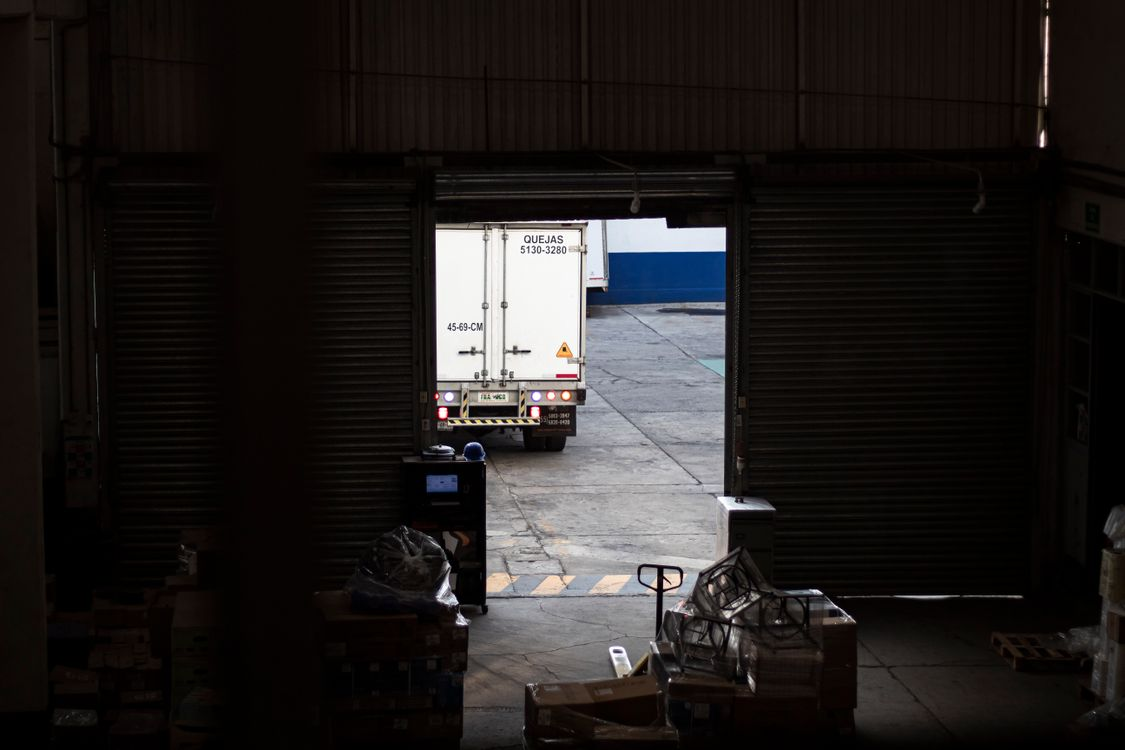
Warehousing close to the crossing gives shippers somewhere to stage freight when production timing, customs clearance and onward transport do not line up precisely. Cross-docking provides a faster alternative when goods can be transferred between inbound and outbound vehicles without entering longer-term storage.
Consolidation and deconsolidation add another layer of flexibility. Smaller consignments can be combined before a cross-border movement or separated once freight reaches the destination market, allowing transport capacity to be used more efficiently than moving every shipment independently.
Those processes depend heavily on documentation. A warehouse slot and an available truck do not keep cargo moving if customs paperwork, classification or other clearance requirements are incomplete. The customs-related capability included in the transaction therefore complements the physical transport and storage assets.
TA Services chief executive Scott Schell said cross-border performance depends on what happens on both sides of the border and at the handoffs between them. The company is positioning the acquisition around that operating continuity for manufacturers and other businesses moving freight through the US-Mexico corridor.
Carmen Pacheco Transportation and Interload Forwarding developed from a family business founded by Richard Ibarra Sr. The companies grew into an integrated transport and warehousing operation serving customers in the US, Mexico and Canada before their acquisition by TA Services.
TA Services is the non-asset flagship division of PS Logistics, making the addition of five warehouses and trucking assets notable within its wider operating model. The group can now combine acquired physical infrastructure with brokerage and managed transport resources, using different forms of capacity according to the customer and lane.
The warehouse footprint also creates options for inventory positioning around the border. Some facilities in cross-border networks function less as traditional long-term distribution centres and more as buffers between production schedules, clearance events and available transport.
That role becomes more important when freight flows are uneven. Holding inventory briefly near a crossing can prevent a delayed customs process or missed transport connection from disrupting a factory or downstream customer, although excessive staging simply moves congestion from the border into the warehouse.
Manufacturing investment in Mexico has increased demand for cross-border logistics capacity, but additional factories do not guarantee smoother freight movement. Border congestion, paperwork, trailer availability and mismatched inbound and outbound schedules can continue to constrain throughput regardless of underlying production growth.
TA Services has not disclosed the value of the transaction or published quantified performance targets for the acquired operations. The immediate change is physical and operational: five warehouses, more than 550,000 sq ft of space, a roughly 10-acre truck yard and established transport and customs-related activity have moved into the TA Services network.
The integration task now lies in connecting those facilities, teams and services with TA Services’ existing brokerage and transport operation without disrupting customers already using the El Paso and Laredo businesses. The scale has increased immediately; the effect on transit reliability and border performance will depend on how those operations are integrated.