IN Brief:
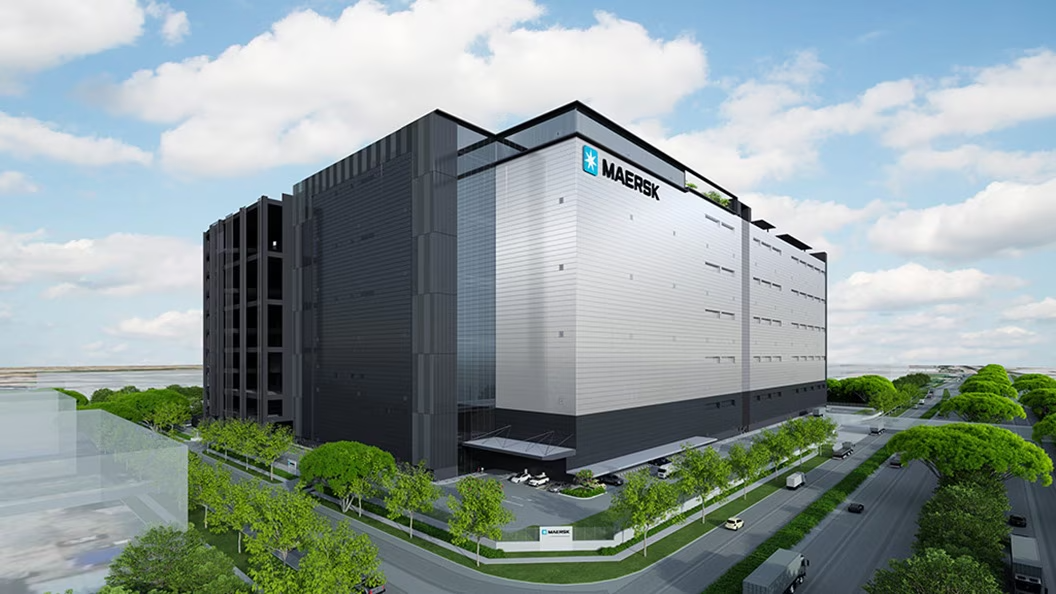
- DP World has inaugurated a second phase of Nhava Sheva Business Park covering 42 acres and adding one million sq ft of warehouse space.
- The two completed phases now provide roughly two million sq ft of warehousing beside the Mumbai container gateway.
- The site connects warehouse capacity with port, rail, customs controlled storage and inland distribution infrastructure.
DP World has inaugurated the second phase of Nhava Sheva Business Park near Mumbai, adding one million sq ft of warehouse space beside one of India’s largest container gateways. The 42 acre expansion represents an investment of about ₹500 crore, or $52 million, and follows a first phase spanning 44 acres with another one million sq ft of capacity, taking the completed park to roughly two million sq ft.
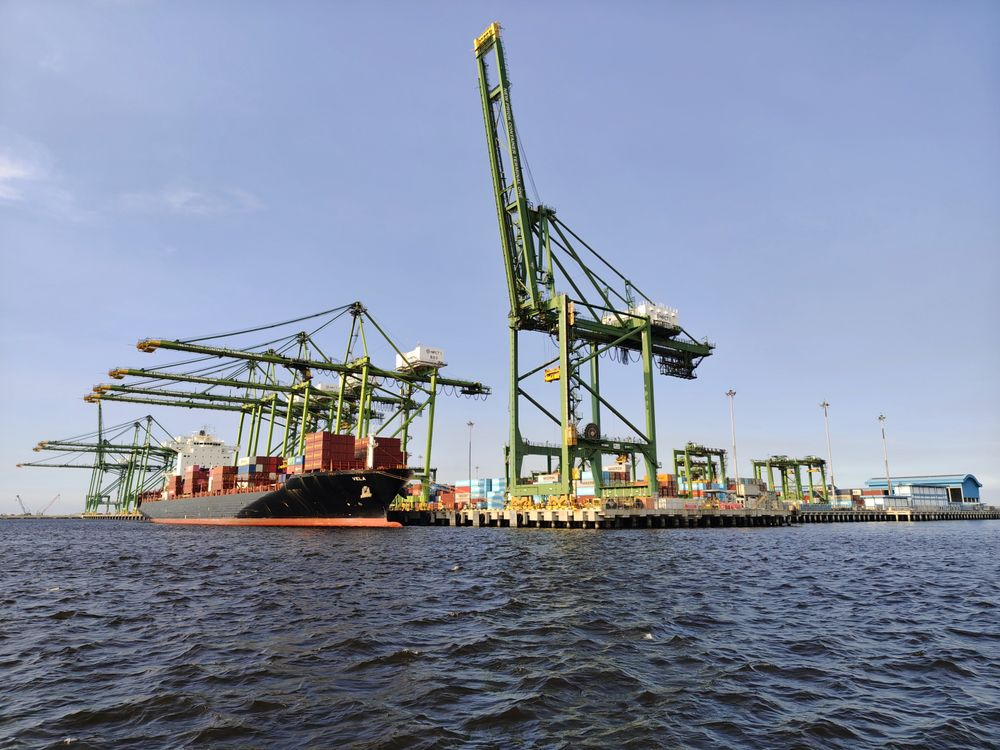
The additional space sits within DP World’s wider Nhava Sheva logistics network, where container terminals, container freight stations, rail connections and Free Trade Warehousing Zone facilities already handle different stages of the same cargo flow. Bringing more storage into that system gives importers and exporters somewhere to hold and process goods close to the port without using terminal yards as longer term inventory space.
Using nearby warehouse space can reduce pressure on terminal yards, which are designed to transfer containers between vessels, road and rail rather than accommodate extended dwell. As occupancy rises, boxes can require extra repositioning before the required container becomes accessible, consuming equipment time without moving the underlying cargo any closer to its destination. Transfers into adjacent storage can preserve yard capacity when warehouse, gate and inland transport operations remain coordinated.
DP World already operates Nhava Sheva International Container Terminal, where stated annual capacity is 1.2 million TEU, so the warehouse expansion increases landside capacity around an established maritime gateway. Shipping capacity has also been growing around the port, including a fortnightly India to Middle East feeder service added in September linking Nhava Sheva with Cochin, Fujairah, Sohar and Aden. More vessel capacity strengthens the case for adjacent warehousing only if boxes can continue leaving the terminal fast enough to prevent the quay and yard from becoming the limiting stages.
India’s dedicated freight corridors are carrying larger container volumes between western ports and inland industrial regions, while operators are using longer and double stack trains to move more freight within available train paths. IN Supply reported in September that the dedicated freight corridors were approaching their stated train capacity, reinforcing the need to coordinate port, rail and warehouse growth rather than expand each element independently.
The business park can also absorb some of the timing mismatch between vessel arrivals and inland demand. Import cargo that does not need to move immediately can be stripped, stored or consolidated close to the gateway, while export goods can be accumulated before entering the terminal closer to their vessel cut off. That creates a buffer between maritime schedules and customer demand, provided inventory systems maintain clear visibility over which goods are in the terminal, warehouse or onward transport network.
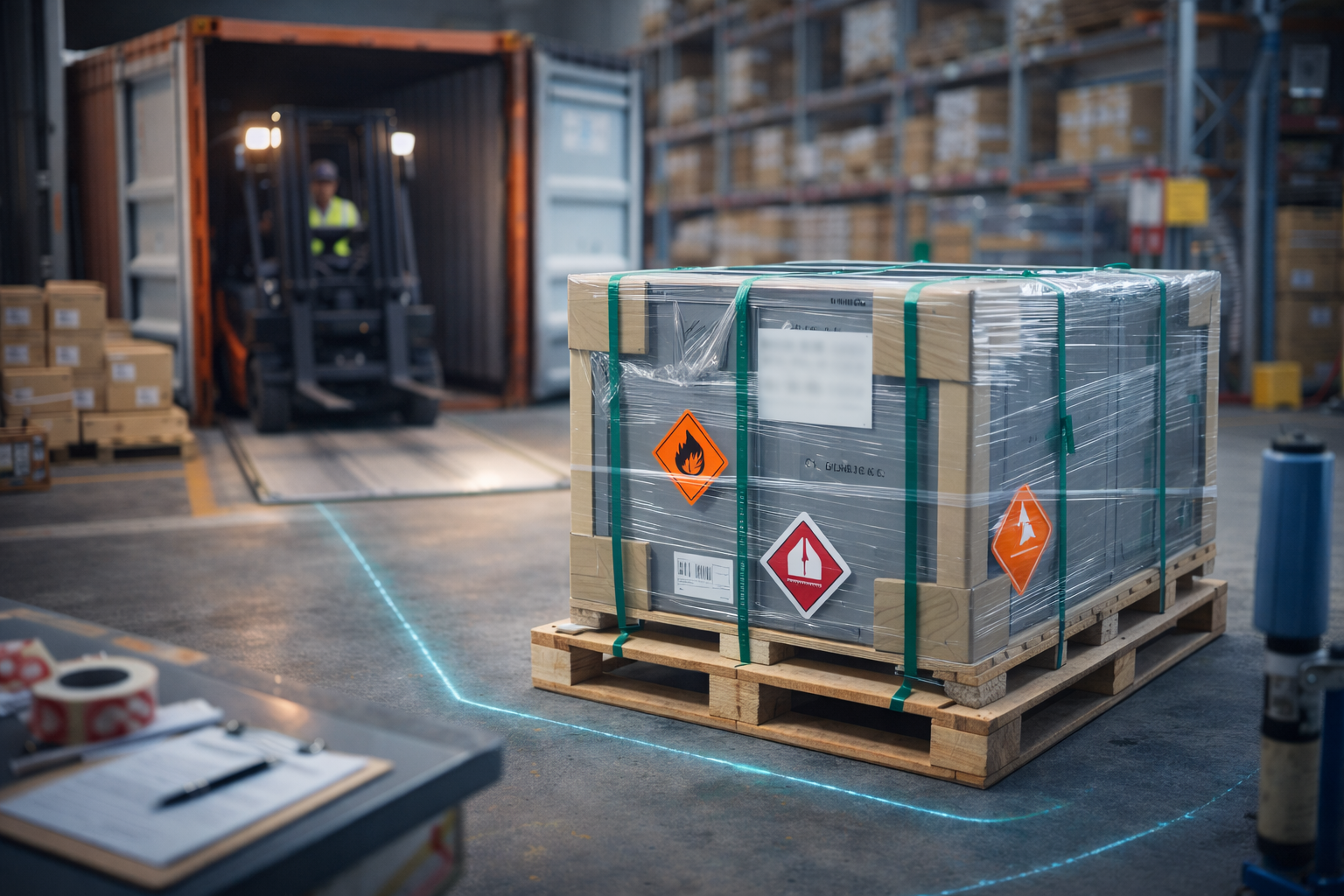
Free Trade Warehousing Zone facilities add another option because international cargo can remain under customs control before domestic clearance or export to another market. For companies importing in bulk, that can reduce the need to clear the entire shipment into India at once when only part of the inventory is required immediately. It can also support regional distribution models in which products are held near the port and released according to demand in different markets.
Those functions increase the number of handovers that have to be controlled accurately. A container may move from the terminal to a freight station, warehouse or customs controlled facility before its contents continue by road or rail, so each transfer needs matching documentation and inventory records. The operational benefit disappears quickly if cargo has to be searched for, rehandled or held because the physical movement and system record no longer match.
Moving consolidation, deconsolidation and inventory staging outside the terminal increases the amount of cargo that can be processed around the gateway without occupying terminal stacks. The new space remains close enough to maritime and inland transport links for rapid transfer, giving shippers another option between immediate inland movement and leaving containers inside the terminal.
Dock availability, handling equipment, gate throughput, labour and yard geometry will still determine how quickly goods can move through the new space. A warehouse with spare floor area can become a constraint if vehicles queue outside, labour is unavailable at peaks or inbound containers arrive faster than products can be received and dispatched. Port, rail and warehouse capacity therefore have to operate at compatible rates rather than simply grow in isolation.
DP World has also discussed further cooperation with Jawaharlal Nehru Port Authority, including possible involvement in Vadhavan Port and investment within the JNPA Special Economic Zone, although those projects remain separate from the completed business park expansion. At Nhava Sheva itself, the immediate change is already physical: one million sq ft of additional warehouse capacity has been added beside an existing maritime and inland logistics network.
The expansion gives shippers more room to separate inventory storage from terminal operations while keeping both functions within the same gateway system. Its effectiveness will be measured by whether cargo moves more cleanly between vessel, yard, warehouse, customs and inland transport, allowing the extra space to absorb variation in cargo flows without simply shifting congestion from one part of the network to another.