IN Brief:
- Gantry Crane 6 returned to service on 14 October following repairs, load testing and recertification.
- Gantry Crane 4 had resumed work on 5 October, while Crane 5 remained under repair.
- The port continued vessel operations using available shore cranes, shipboard equipment and supplementary mobile lifting capacity.
Port Authority of Guam has returned a second ship-to-shore gantry crane to operation following the high-wind incident that damaged its three principal container cranes on 2 October. Gantry Crane 6 was restored after repairs, load testing and recertification, according to the authority’s 14 October update. Crane 4 had already resumed service on 5 October, leaving two operational gantry cranes while repairs to Crane 5 continue.
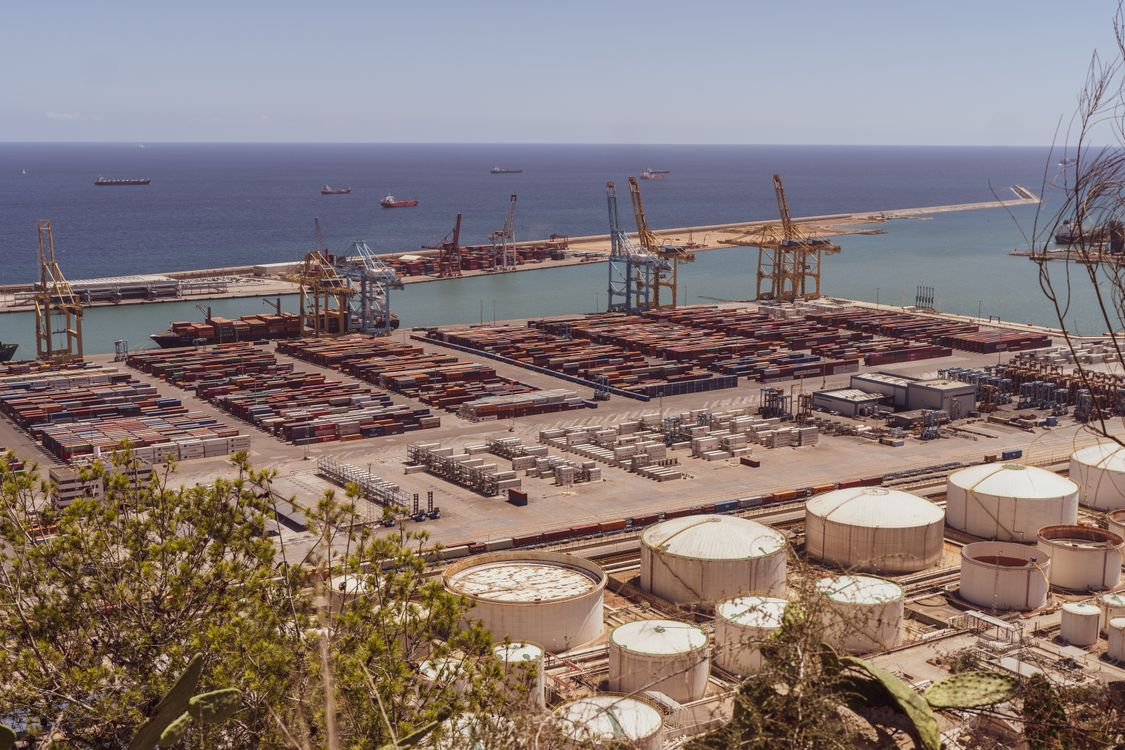
At Guam’s commercial seaport at Piti, container operations must be coordinated with scheduled vessel calls, quayside equipment and cargo releases through the terminal gate. The 2 October incident began when Crane 6 moved along its rail track during severe winds and collided with the other two gantries, damaging all three. The port has not established a final technical cause in the material reviewed, and the movement must not be characterised as a proven equipment or procedural failure.
Crane 4 was the first unit restored. Its initial return allowed staff to resume lifting containers from vessels while engineers worked on the remaining equipment. By 7 October all three cranes had been placed back onto their rails, but that physical position did not mean each was fit for use. Crane 6 then underwent further repairs, checks and certification before it was returned to operational service on 14 October. Reinstalling a crane and authorising it to lift loaded containers are separate engineering milestones.
Following the collision, each rail-mounted quay crane required assessment before a safe return to lifting duties. The machines carry container loads through their hoisting systems and structures while remaining stable on tracks alongside the berth. A severe unplanned movement can affect components beyond those visible during an external inspection. Controlled load testing verifies the repaired equipment’s response to lifting demands, while recertification confirms its fitness for the specified duties. Neither exercise establishes why the crane moved during the storm.
The port’s outstanding recovery work is concentrated on Crane 5. Its repair programme includes four replacement motors, with further inspection and load testing required before recertification. The authority has not confirmed a return-to-service date for that unit. Until the third crane is available, the terminal retains less flexibility to allocate several simultaneous crane moves to vessels than it would with the full equipment complement in service.
Cargo movements continued throughout the outage through a mixture of shore equipment, onboard vessel gear and supplementary mobile lifting support. Earlier in the recovery, the Matson Lurline and Galaide were handled while the APL Oceania was brought alongside for cargo operations. The port said on 8 October that working with only one gantry crane had extended vessel working times by approximately a day compared with a typical call. That was an operational observation made before Crane 6 returned, not a measured delay for every subsequent vessel.
Crane 4 subsequently worked the Matson Voyager, which arrived on 11 October and departed on 13 October. The APL Islander, which arrived on 12 October, was handled using onboard lifting equipment, Crane 4 when available and a Smithbridge mobile crane. These arrangements kept individual cargo operations moving with a reduced fleet, but the port has not published a comparable post-recovery measure of terminal throughput or average vessel turnaround.
A reduced number of dedicated quay gantries changes how ships, containers and lifting equipment can be scheduled at the berth. Onboard cargo gear may be suitable for individual movements but is not a direct replacement for all lifts performed by a container crane. Mobile crane positioning also has to be reconciled with quay access, traffic and scheduled lifts. The order in which vessels and cargo tasks are handled consequently constrains berth occupation and container release until the full crane complement returns.
The port also maintained gatehouse cargo releases during the recovery, rather than treating ship unloading as the only measure of continuity. Discharged containers can still require sorting, documentation, customs processing and inland collection before reaching customers. Guam’s commercial seaport serves the island and the wider Western Pacific with containerised goods and essential cargo. Berth occupancy, containers discharged and cargo released through the gate are related but different operational measures, and no comprehensive post-repair comparison has been reported.
Further storm precautions were introduced as the authority monitored approaching weather. Crane security procedures, operational decisions and readiness to change vessel handling arrangements remained under review. Restoring equipment just before another spell of severe weather does not remove the requirement to secure it when forecasts or port conditions demand. The authority has also referred the 2 October crane incident to its Accident Review Board, with materials supplied to the Port Authority board and the US Coast Guard Captain of the Port.
The Accident Review Board’s examination of the 2 October incident is separate from the engineering work returning cranes to duty. Its findings and any recommended corrective measures have not yet been reported. Crane 6’s return means two quay gantries are available, but Crane 5 still needs replacement motors, inspection, load testing and recertification. The authority has not announced when that final recovery work will be complete.