IN Brief:
- Gothenburg RoRo Terminal reported 5% growth in cargo volumes handled over the quay in the first half.
- Investment includes 144,000m² of terminal space, seven rail tracks and sheltered steel and paper transfer facilities.
- The port did not quantify how much of the volume increase resulted from any particular upgrade.
Cargo volumes handled across the quay at Gothenburg RoRo Terminal rose 5% in the first half of 2026, according to a 20 October statement from the Port of Gothenburg. The increase coincided with several years of investment in terminal land, rail connections, sheltered cargo handling and vessel access. The authority has not published an analysis attributing a particular share of that growth to any individual project. Frequent roll-on/roll-off sailings from Gothenburg serve industrial supply chains linking Sweden to the United Kingdom and mainland Europe.
The terminal-level 5% increase must be distinguished from the wider port’s earlier report of 278,000 intra-European RoRo units, which represented growth of 2% across a different operating scope. The terminal statement describes cargo passing over the quay without providing a comparable absolute tonnage or unit count. As the two measures do not use the same base, they cannot be combined or treated as conflicting evidence about a single traffic series. No independent measure of productivity growth accompanies the terminal volume figure.
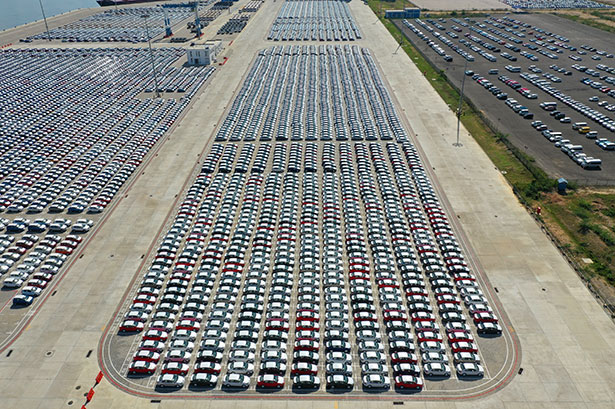
A 144,000-square-metre extension completed in 2024 enlarged and connected the operational land behind berths 712 and 713. Keeping trailer marshalling, temporary storage and access routes within a more continuous yard can simplify transfers between gate areas and the ship ramps, although the effect depends on traffic sequencing and how the space is allocated. The port has not quantified a reduction in internal driving distance or announced a revised maximum annual cargo capacity specifically attributable to the land expansion.
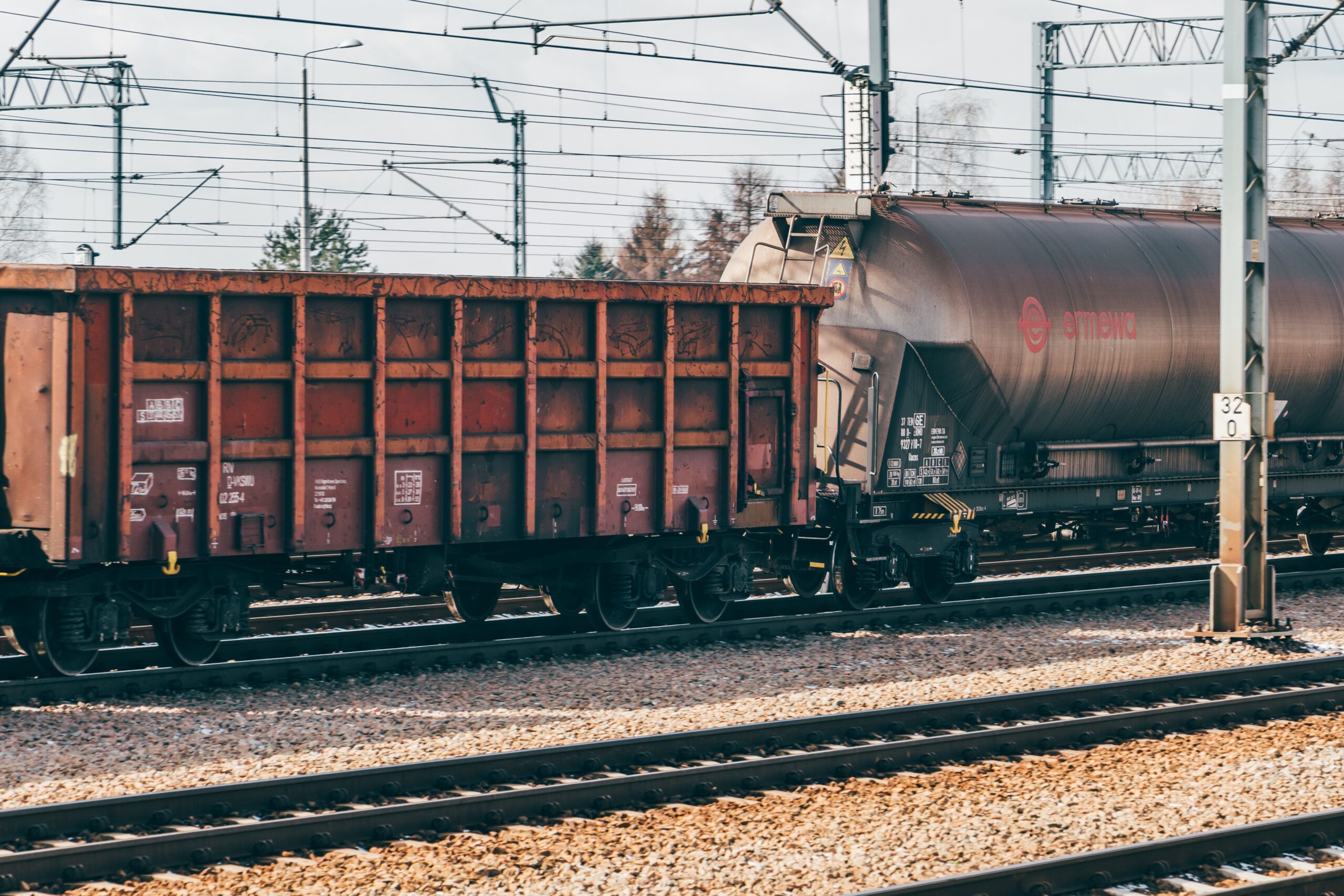
Gothenburg RoRo Terminal took over operations at Arken Intermodal Terminal in 2023, adding 65,000 square metres and seven rail tracks to its network. These tracks enable trailers or compatible cargo units to move between rail and sea services, potentially replacing a long road approach to the port. They do not remove rail scheduling, train capacity or handling constraints: freight arriving at the wrong time may still require staging before its vessel sails. The usable benefit depends on coordinating rail arrivals with vessel loading windows.
Two covered cross-docking facilities address cargoes that require different treatment from standard accompanied trailers. The 11,000-square-metre steel-handling building constructed in 2025 receives steel products arriving by rail for onward shipment to continental Europe. A separate 6,000-square-metre facility built in 2024 supports forest products, including paper rolls. Sheltered transfer can avoid exposing sensitive products during the change of transport mode, while cross-docking limits the need to put consignments into long-term warehouse storage when inbound and outbound movements can be matched.
Access for larger vessels has also changed. Dredging during the 2022–23 season widened and deepened the approach channel, allowing larger ships to call and removing some weather- and wind-related operational restrictions. Work completed at berth 710 in 2026 extended part of the quay and installed a new ramp suitable for larger RoRo vessels. Further upgrades to the eastern quay are planned rather than complete. Channel dimensions govern whether a ship can approach safely, whereas ramp arrangement and berth geometry affect vehicle flow once it is alongside.
CLdN and DFDS, the lines making the most frequent calls at Gothenburg RoRo Terminal, have deployed larger or more modern ships on their routes. Greater deck capacity can concentrate more cargo into each arrival and departure, creating peaks in gate demand and marshalling requirements if loading sequences are not coordinated. Added yard space, rail handover capacity and ramp improvements are thus connected parts of the operating system. The report does not disclose the number of additional sailing slots, changes in berth productivity or a causal allocation of the 5% volume gain.
The terminal handles a varied mix of food, forest products, steel, electronics, automotive components and other industrial consignments. A road trailer can be driven directly aboard a vessel, while some steel or paper arrives by rail and requires covered transfer, special securing or consolidation before shipping. Because these movements use different equipment and floor space, capacity improvements in one handling stream are not necessarily interchangeable with another. The new buildings and rail facilities address those distinct cargo requirements within a shared transport gateway.
A hydrogen refuelling point established beside the terminal in 2024 offers a potential option for compatible heavy trucks and terminal vehicles. The port has not disclosed hydrogen consumption, fleet take-up or measured emissions savings attributable to the installation. Similarly, the possibility of moving more freight by short-sea shipping does not prove a specific reduction in road traffic without journey and modal-shift data. The investment programme’s physical installations are verifiable; their aggregate environmental effects still require measured operating evidence.
Gothenburg’s completed changes provide more contiguous terminal land, integrated rail tracks, covered freight-transfer buildings and improved access for larger vessels. The eastern quay upgrade remains prospective. First-half cargo growth of 5% was reported alongside those developments, but neither its precise causes nor a repeatable annual productivity improvement have been established. Subsequent figures on unit handling, rail transfers, vessel calls and terminal dwell time would give a firmer measure of the investment programme’s operating effect.