IN Brief:
- PSA Singapore and Cisco will develop an AI-powered observability and incident management platform for Tuas Port.
- The system is intended to connect application, infrastructure and network data to improve diagnosis of operational incidents.
- Initial implementation will take place at the Phase 2 Living Lab before any wider deployment.
PSA Singapore and Cisco are developing an artificial intelligence platform to monitor critical technology systems and support incident management at Tuas Port. The collaboration will begin with a proof of concept at the port’s Phase 2 Living Lab, where the companies intend to test a combined approach to identifying faults across applications, computing infrastructure and communications networks.
To establish that combined view, the proposed platform will bring performance information from individual systems into a centralised monitoring environment. AI will analyse the relationships between applications, infrastructure and network services, helping technical teams identify which components are affected by an incident and determine where an investigation should begin. The companies also intend to use the information to recommend corrective actions, extending the system’s role beyond collecting and displaying operational alarms.
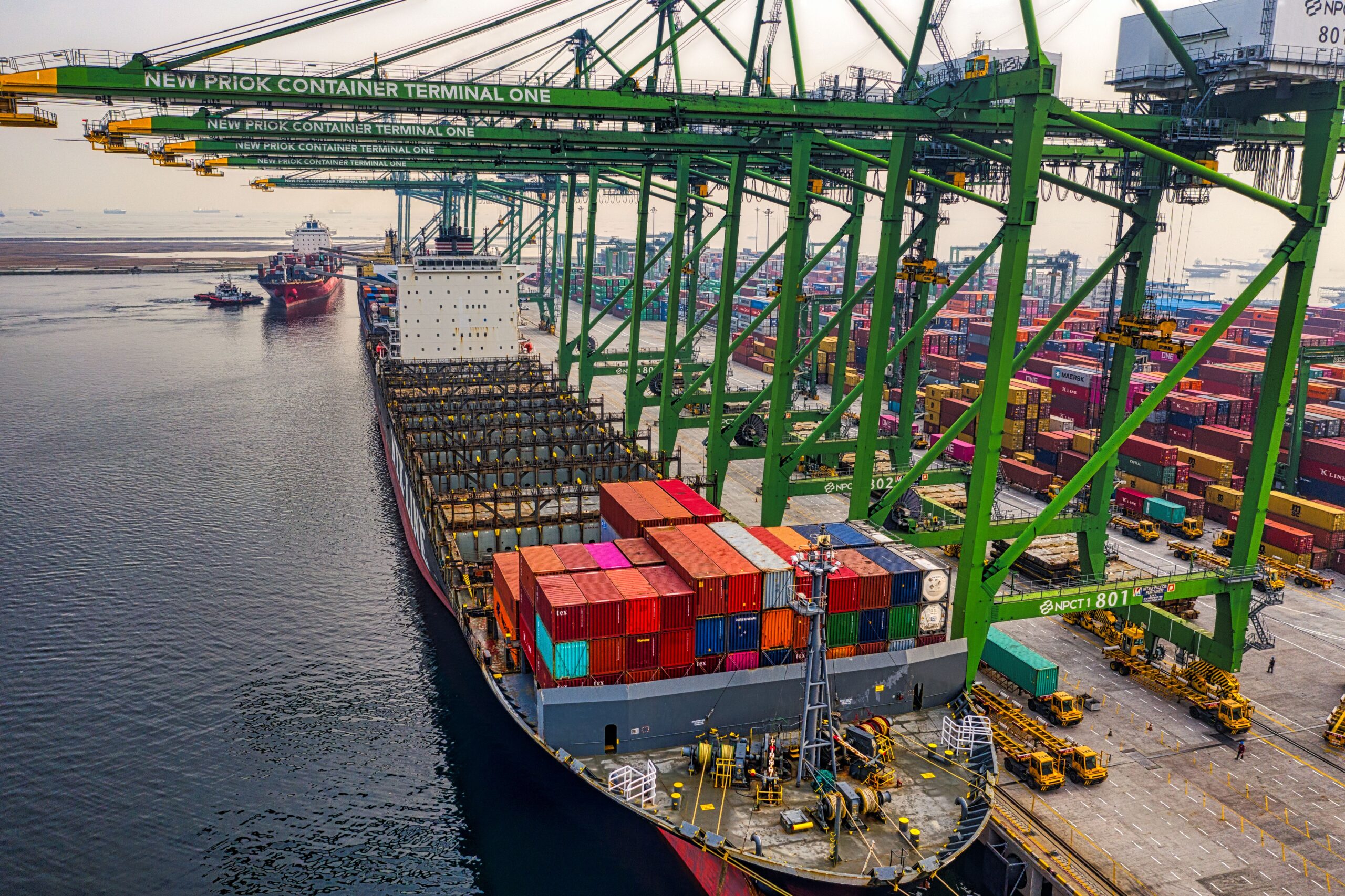
Those relationships are particularly important at Tuas, where automated container handling depends on communication between operational software and physical equipment. The terminal operating system coordinates container movements, storage locations and tracking information, connecting activities across vessel handling, the storage yard and landside operations. Although individual machines may remain mechanically serviceable during a software or communications failure, they can lose the instructions needed to complete their assigned movements.
A fault affecting a shared system can consequently interrupt work in several operating areas. If handling equipment cannot receive updated container instructions, movements may have to be delayed while personnel establish which services are unavailable. Yard allocation, vessel operations and onward transport connections can all depend on the same underlying information, making the identification of a common cause important to restoring activity.
Existing monitoring systems may report those effects separately. An application running slowly, a disrupted network connection and an unavailable infrastructure service can generate different alarms even when they originate from one failure. Technical teams must then establish whether the events are connected before deciding which component to examine. PSA and Cisco intend to support that process by mapping dependencies between the services and presenting related incidents within the same operational context.
With those dependencies established, a problem affecting several applications could be traced towards the infrastructure they share rather than investigated as a collection of unrelated faults. The platform is intended to assist with root-cause diagnosis and recommend responses based on the observed conditions. Its effectiveness will depend on accurate monitoring data, reliable identification of system relationships and the ability of technical personnel to assess the recommendations before acting on them.
The same information could also support earlier intervention. Changes in performance across connected services may indicate a developing fault before an application becomes unavailable, allowing technical teams to investigate while cargo-handling operations continue. This predictive capability is part of the planned development, however, rather than an established improvement in availability or incident resolution time at Tuas.
Because unexpected behaviour can also arise from security incidents, Cisco will incorporate cloud-native protection intended to identify unusual network activity and help prevent unauthorised access to critical systems. Security monitoring and operational observability examine different aspects of the technology environment, but their findings can overlap when suspicious traffic coincides with a loss of performance or an interruption to communications.
Connecting those findings could provide technicians with additional evidence when determining the nature of an incident. A disrupted application might be affected by an infrastructure fault, unusual network activity or several interacting conditions. The proposed system will bring relevant information into a shared view while existing security controls, access procedures and operational safeguards continue to govern how individual services are protected and restored.
These capabilities will first be evaluated at the Tuas Port Phase 2 Living Lab. PSA uses the facility to test and refine technologies during the port’s continuing development, providing a controlled route for assessing new systems before deciding whether they are suitable for wider operations. The initial work will examine how effectively the platform collects monitoring data, identifies dependencies and assists incident investigation within the terminal’s technical environment.
The collaboration forms part of Cisco’s Country Digital Acceleration programme, through which the technology company supports digital projects involving public and private organisations in Singapore. At Tuas, the work adds another development activity to PSA’s wider investment in automation and operational technology, with the monitoring functions intended to support existing terminal systems rather than replace them.
That infrastructure is expanding as Tuas Port progresses through successive development phases. Full completion is expected in the 2040s, when annual container-handling capacity is planned to reach 65 million twenty-foot equivalent units. The terminal reached cumulative throughput of 25 million TEU in August 2026, measured from the beginning of operations in September 2022. Additional capacity will bring more equipment, digital services and operating activities into the terminal’s interconnected systems.
PSA Singapore’s wider operations handled 44.5 million TEU in 2025 and maintain shipping connections with approximately 600 ports internationally. Containers passing through Singapore may be transferred between ocean services, held temporarily in storage or moved through regional logistics networks. Each movement depends on accurate information about container locations, handling instructions and transport arrangements, increasing the importance of reliable coordination as terminal activity grows.
As more equipment and software services are introduced at Tuas, the number of relationships between individual systems will also increase. A failure confined to one shared component could affect several cargo-handling activities, while changes in network or application performance may be visible before an interruption occurs. The proposed platform is intended to make those connections easier to identify, linking the technical monitoring work directly to the requirements of an increasingly automated terminal.
The Phase 2 Living Lab will provide the first opportunity to test whether that approach produces useful operational information. PSA and Cisco will evaluate incident identification, diagnosis, security monitoring and recommended responses before considering any wider implementation. The project remains a proof of concept, with future deployment dependent on the results of the initial development and testing.