IN Brief:
- PSA's Tuas Port Phase Two will provide 21 deepwater berths across 8.6 kilometres of wharf.
- The completed phase will incorporate close to 1,000 autonomous intelligent guided vehicles, alongside automated container handling infrastructure.
- Initial operations are planned for 2028, with all 21 berths expected to enter service by the mid-2030s.
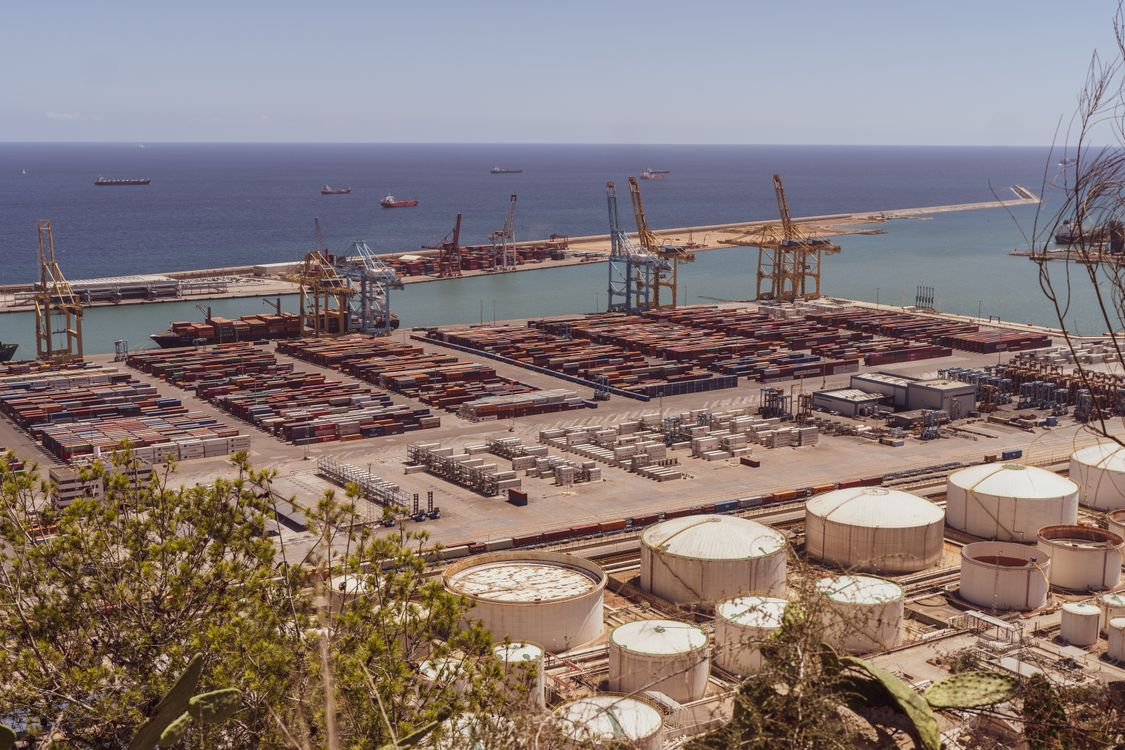
PSA Singapore has broken ground on Tuas Port Phase Two, beginning the next major construction stage of Singapore’s automated container terminal development. The expansion will provide 21 deepwater berths, 8.6 kilometres of wharf, and additional automated handling capacity, with operations scheduled to begin progressively from 2028.
The groundbreaking ceremony on 20 November marks the transition into terminal development following extensive marine engineering and reclamation work. Phase Two is the largest of Tuas Port’s four development phases by wharf length, occupying nearly 400 hectares of reclaimed land. Its berths will have a water depth of 23 metres, allowing the terminal to accommodate the largest classes of container vessel currently operating.
Construction will progress around Finger Three, one of the principal waterfront sections forming the wider port. Singapore’s Ministry of Transport expects this area to begin operations in 2028, with all 21 berths available by the mid-2030s. The timetable involves progressive commissioning rather than a single opening of the completed development.
PSA also plans to increase its fleet of autonomous intelligent guided vehicles (IGVs) to close to 1,000 across the completed phase. These vehicles transport containers between quayside cranes and storage areas, forming the horizontal movement system that connects vessel loading with yard operations. Their introduction will require corresponding investment in charging infrastructure, communications, traffic management, and the software coordinating terminal equipment.
Container terminals depend on several handling processes operating in sequence. Quay cranes lift containers between ships and the waterfront, horizontal transport vehicles carry them towards designated yard positions, and storage cranes place or retrieve them according to vessel loading plans and onward transport requirements. The overall rate of handling is constrained by the slowest part of this sequence, rather than the capacity of the quay cranes alone.
An autonomous vehicle fleet can provide more consistent movement between handling points, but increasing the number of vehicles does not automatically increase terminal throughput. Vehicles must be available when a crane requires them, and storage positions must be ready to receive or release the containers being carried. Empty vehicle movements, waiting time at transfer points, charging requirements, and equipment faults all affect the capacity that can be delivered during a shift.
PSA’s operating systems will have to coordinate the additional vehicles with automated cranes and existing terminal activity. Each container movement requires accurate information about the load, its current position, and its intended destination. The control system must also allocate routes and manage conflicts where several vehicles require access to the same transfer area. Automated movement becomes particularly demanding when equipment is being added progressively to an already operating terminal.
Terminal automation also introduces maintenance and safety requirements that differ from those of conventional vehicle fleets. Fault detection, equipment isolation, recovery procedures, and controlled access to automated operating areas must be incorporated into the terminal’s procedures. Reliable wireless communications support operational coordination, while the vehicles’ local safety arrangements must manage hazards even when instructions or network connections are interrupted.
The groundwork for Phase Two has been progressing for several years. Reclamation works for the northern berths of Finger Three reached a separate milestone earlier in November, following the construction of seawalls and the formation of additional waterfront land. The newly completed reclamation provides space for terminal development, but the resulting area cannot handle commercial container vessels until the associated infrastructure and equipment have been constructed and commissioned.
The supporting civil engineering programme includes quay structures, foundations, paved storage areas, utility networks, and equipment access routes. Large container cranes impose concentrated structural loads, while storage yards must support repeated movements of loaded containers and heavy handling machinery. Ground conditions and the sequence of construction therefore influence when individual areas can become available for equipment installation and operational testing.
Additional vessel capacity will also increase the demands placed on supporting landside systems. Containers arriving at Tuas may be transferred to another vessel, collected for delivery within Singapore, or moved through associated logistics facilities. Each route requires different handling and information exchanges, including customs procedures, cargo release instructions, and onward transport arrangements.
Singapore intends to consolidate its principal container operations at Tuas over the longer term. Bringing activity together at one location should reduce some movements between separate terminals, particularly where transhipment containers arriving on one service depart on another. The resulting benefit will depend on the coordination of vessel schedules, storage allocation, and terminal equipment rather than physical consolidation alone.
The wider port is designed to provide 66 berths and annual capacity of approximately 65 million twenty-foot equivalent units (TEU) when its four phases are completed during the 2040s. Singapore’s Ministry of Transport reported that Tuas Port had already handled 25 million TEU since beginning operations in 2022, establishing an operating base while the remaining waterfront is developed.
The next construction stage will bring together the physical expansion of the port and the systems needed to handle containers through an increasingly automated operation. PSA’s planned vehicle fleet and 21 additional berths will require coordinated testing before they can deliver the intended capacity. The first operational measure of Phase Two’s progress will come as its initial berths enter service from 2028, ahead of the planned completion of Finger Three during the following decade.