IN Brief:
- The Maritime and Port Authority of Singapore has completed reclamation for the northern berths of Finger 3 at Tuas Port Phase 2.
- The wider Phase 2 civil programme involves 227 large caissons forming approximately 9.1km of seawall.
- PSA still needs to construct terminal facilities and commission handling systems before additional berths can enter service.
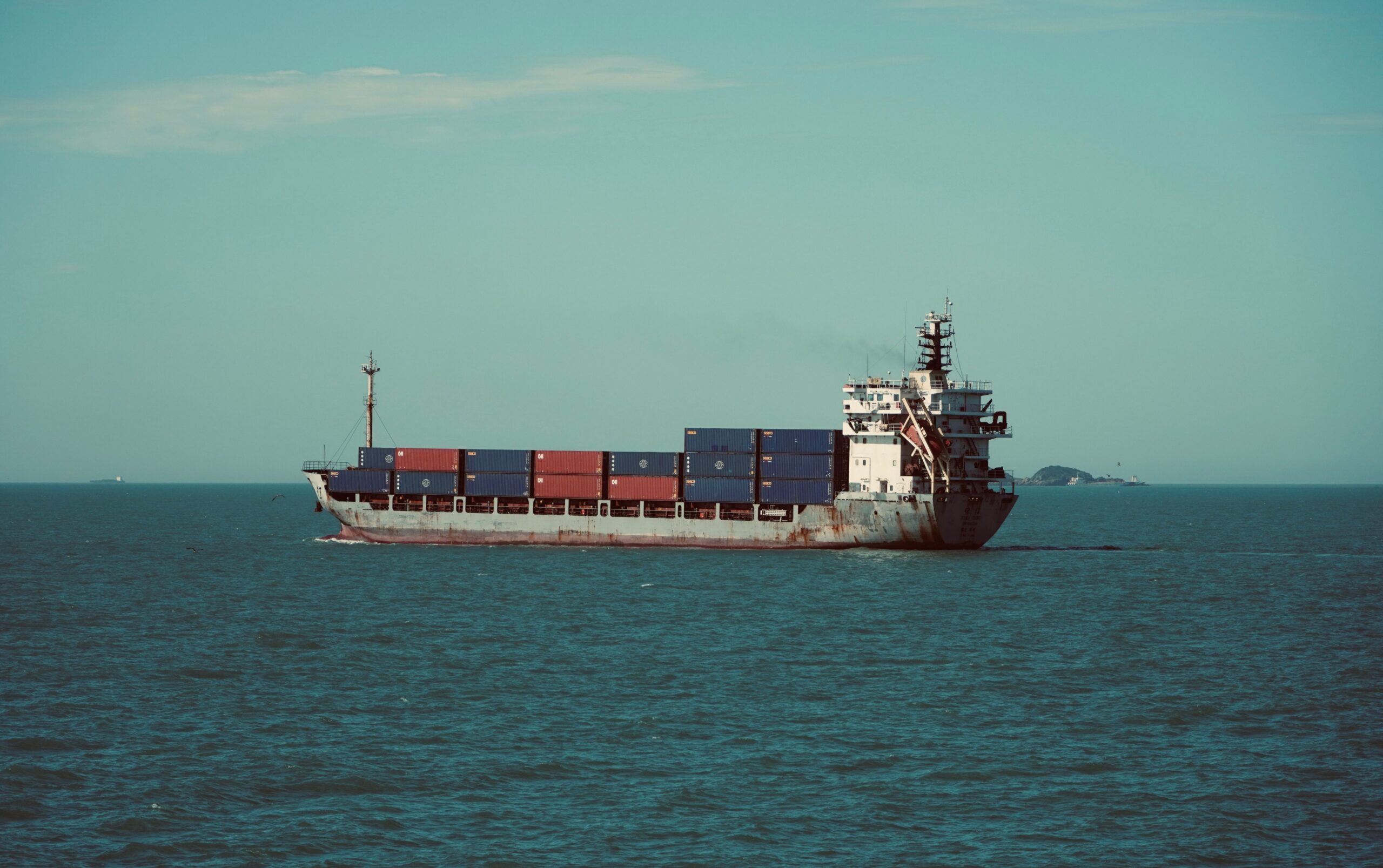
Maritime and Port Authority of Singapore (MPA) has completed reclamation works for the northern berths of Finger 3 at Tuas Port, advancing the second phase of the country’s long-term container terminal programme. The milestone was marked at a ceremony on 10 November 2026 involving MPA, contractors, consultants, and other project participants. The completed works provide reclaimed waterfront for subsequent construction; no new operational container berth has opened as a result.
The Finger 3 works form part of an extensive marine engineering programme begun in March 2018. Tuas Port Phase 2 requires land formation, seawall construction, dredging, and supporting civil infrastructure before PSA Singapore can fit out terminal facilities. MPA’s project information identifies 227 large concrete caissons used to form approximately 9.1 kilometres of seawall for the phase, with reclamation progressing in sections as the structures and associated ground works are completed.
Caissons are large prefabricated concrete units used to form stable waterfront retaining structures. They are produced, transported, positioned, and founded as part of the seawall and quay development, providing an engineered boundary for reclaimed land. Their installation must be coordinated with marine traffic, seabed preparation, and the placement and improvement of fill material. Even after the seawall encloses an area, fill placement, soil improvement, and supporting construction must be completed before the land can take the loads imposed by terminal structures and equipment.
The reclaimed area can now advance towards terminal fit-out, which will require operational structures, yard areas, power and communications connections, cargo-handling equipment, control systems, and road and vessel interfaces. Ground completion does not establish that quay cranes can be installed immediately, nor does it mean the terminal has passed the equipment and systems commissioning needed to receive commercial ships. The authorities have not announced a separate opening date for the northern berths associated with this milestone.
Earlier in 2026, completed areas covering berths B7 and B8 were handed to PSA for construction of supporting facilities. Those separate sections establish that land is being made available to the terminal operator in stages rather than through a single Phase 2 handover. PSA has been targeting 2028 for the first operational berth at Finger 3, although that timetable should not be treated as commissioning confirmation for every berth covered by the latest reclamation work.
Tuas Port’s wider development is intended to consolidate Singapore’s main container activities at a large integrated location. The eventual plan comprises four phases and targets annual handling capacity of about 65 million TEU, with 66 berths across approximately 26 kilometres of waterfront when completed in the 2040s. Those are long-term design figures for the overall port, not the capacity released by northern berth reclamation in November 2026.
The first phase is already handling ships and containers as its facilities are brought into service, with an intended annual capacity of 20 million TEU when fully operational. Phase 1 berth operations continue while Phase 2 advances through civil construction and future terminal installation. Reclaimed land cannot absorb additional commercial container calls until quay cranes, stacking systems, gates, and yard controls are commissioned together.
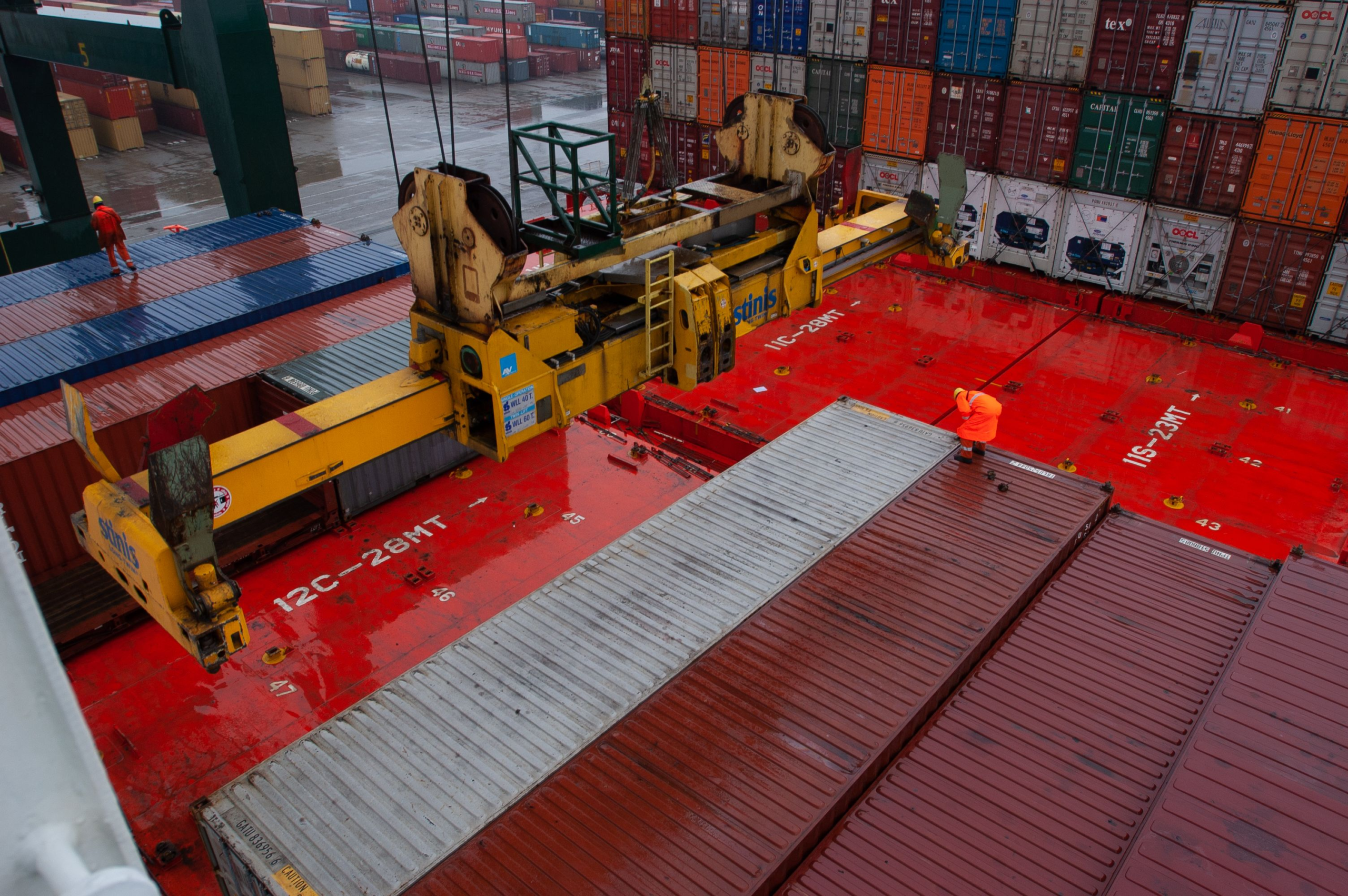
Automation is integral to the planned Tuas operating model. Remote-controlled quay cranes, automated guided vehicles, and container yard equipment require precise exchanges of position, equipment status, and work instructions. The physical design of stacks and transport lanes must support those vehicle movements, while terminal operating software has to manage the handover of containers between quay, yard, and external transport. MPA did not identify any newly commissioned cranes, autonomous vehicles, or terminal systems in reporting the northern berth milestone.
Additional berths can support more simultaneous ship calls only if quay cranes and yard equipment can maintain the required handling rates. Storage space and landside gates must then accommodate the containers arriving from, and leaving for, the vessels. A long-term project combining reclamation and terminal construction requires the engineering interfaces to be resolved before the nominal berth capacity becomes usable. MPA and PSA have not issued a new measured throughput forecast attributable to this particular completion milestone.
The project’s marine works are carried out alongside one of the world’s busiest shipping environments. Navigation notices covering construction zones, dredging, and reclamation reflect the need to separate specialist works vessels from commercial movements while maintaining access to existing terminals. The transition from marine construction to operational testing will involve further controls over work areas, equipment installation, and vessel access rather than an immediate return to unrestricted cargo operations.
The northern berth reclamation is complete, while terminal works, further land handovers, automated equipment installation, and trial operations remain ahead. Published service-entry dates and the commissioning of working container-handling systems will establish when this portion of Phase 2 becomes usable. Until then, the reclaimed waterfront adds to the land available for future capacity, not the number of berths currently handling ships.