IN Brief:
- BGMEA reports $428 million of production losses in 317 surveyed factories during 1–18 November.
- Buyers transferred confirmed orders for 59 million garments valued at $254 million to other countries.
- Some exporters are using airfreight and discounts, but the survey provides no total expedited freight tonnage or rates.
Bangladesh’s garment exporters are using costly airfreight and offering price concessions to protect customer orders after labour unrest interrupted factory production. The Bangladesh Garment Manufacturers and Exporters Association (BGMEA) reported on 22 November that international buyers had shifted confirmed orders worth approximately $254 million to other producing countries. Factories still holding orders face a shorter period in which to complete garments, arrange transport and meet agreed delivery dates.
BGMEA’s preliminary survey examined 317 factories and operations between 1 and 18 November. Respondents identified $428 million in lost production, while buyers had transferred confirmed orders for 59 million garments valued at $254 million to competing countries. The figures represent two different effects: disrupted factory output and contracts placed elsewhere. They are figures reported by the surveyed businesses, not audited totals for Bangladesh’s entire apparel sector, and should not automatically be added to claims of a final industry-wide loss.
More than 600 garment factories were reported to have been affected by unrest, although the survey’s production and order values relate to the smaller group of 317 respondents. Some factories stopped work for periods ranging from one to 16 days. The survey period ended on 18 November, so later factory interruptions and shipments were outside its scope. The countrywide effect therefore cannot be calculated by applying an average loss per surveyed factory to all manufacturers, whose order books and production schedules differ.
An apparel shipment passes through cutting, sewing, finishing, quality assurance, packing and dispatch before the freight forwarder takes possession. When production stops, a missed manufacturing deadline can make the original shipping booking unusable even if the finished goods can eventually be produced. The importer and supplier may then have to choose between a late sea shipment, a faster air movement or cancellation. A change of transport mode can shorten the overseas journey but cannot recover time while unfinished products remain on the factory floor.
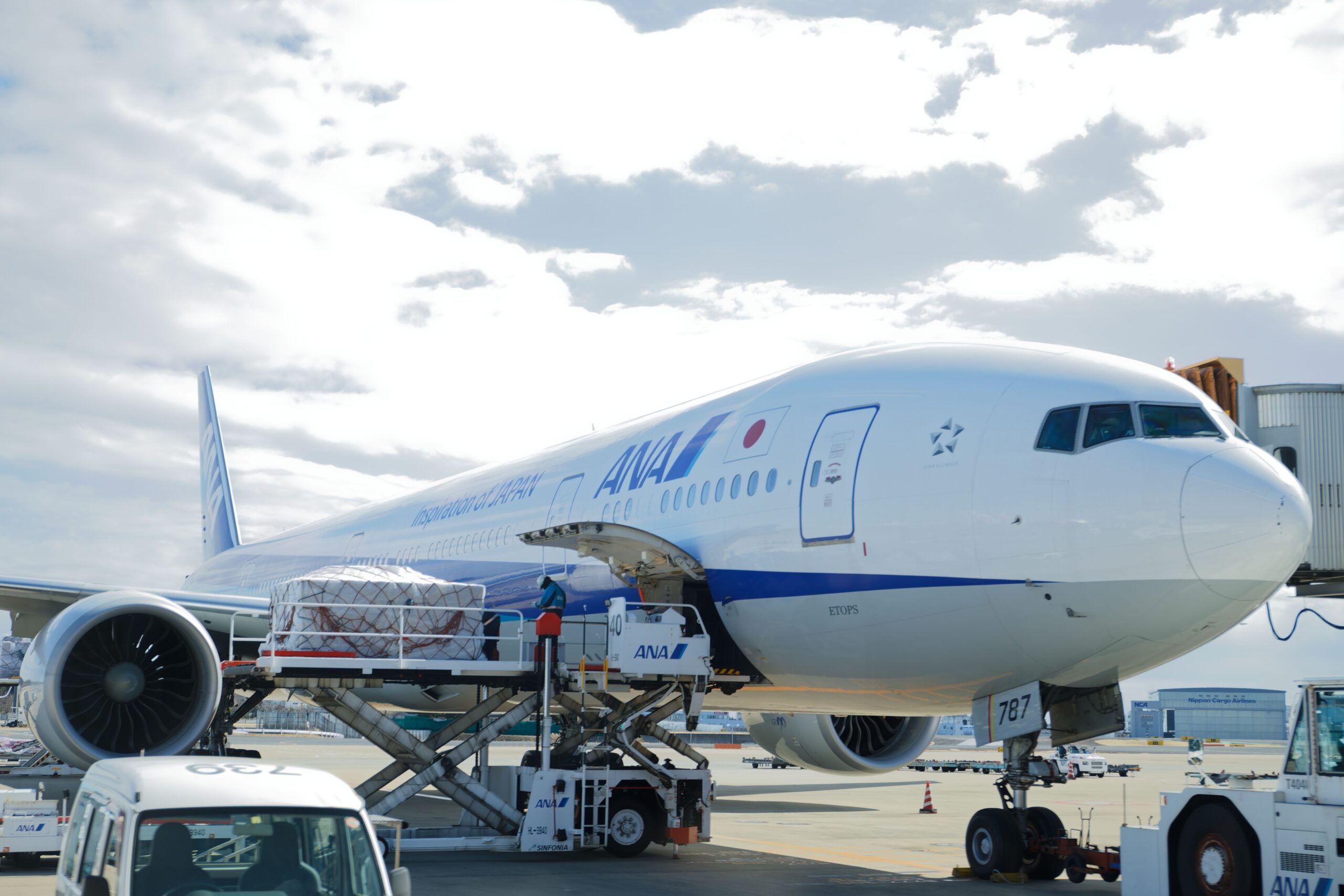
Airfreight can provide shorter transit for finished garments, although the commercial cost is generally higher than moving the same goods by container ship. Exporters still need sufficient completed inventory, export documentation, airport handling capacity and space on a suitable flight. BGMEA has not disclosed the tonnage moved by air, the routes purchased, freight rates or the proportion of delayed orders that have been recovered through expedited transport. There is therefore no basis for calculating an average additional air cargo bill from the association’s survey.
Some factories are also offering discounts to retain business, adding to the cost of transport changes. Air cargo may make sense for a time-critical delivery, but the premium can substantially alter the margin on that order, depending on the garments, destination and contracted sale price. Orders already transferred to rival producers are a different category of exposure: quicker transport cannot restore a contract that the buyer has reassigned. BGMEA said the extra costs of expedited shipments and discounts were not fully reflected in the initial production-loss figures.
International clothing buyers make production allocations around delivery dates, assortment requirements and the availability of suitable manufacturing lines. A supplier in another country cannot always replicate an order immediately, because fabrics, technical approvals, production capacity and quality controls must be in place. Nevertheless, BGMEA’s account shows that buyers had already moved substantial confirmed volumes rather than continuing to wait for disrupted factories. Those transfers can affect future sourcing choices as well as the immediate season, although the survey does not establish how much displaced business will return.
Factory interruptions also affect supporting logistics. A cancelled production run may leave purchased fabric, labels and packaging awaiting a different schedule, while a recovered order may need to bypass a previously planned container consolidation. Forwarders and transport providers then have to manage revised collection dates and shipment sizes. The scale of that secondary disruption has not been quantified in the BGMEA results, which focus on production losses, transferred orders and reported efforts to meet delivery obligations.
The disruption is connected to a dispute over garment workers’ pay and working conditions. Manufacturers have been considering a wage increase as unions seek a larger adjustment, with negotiations continuing against a background of inflation and production pressure. The commercial figures are those reported by BGMEA, an employer association; they do not by themselves establish the causes or merits of workers’ claims. Stable production schedules remain necessary before exporters can reliably rebuild dispatch plans, irrespective of the transport mode selected.
BGMEA’s published totals remain $428 million of production losses and $254 million of shifted orders across 317 surveyed factories. A subsequent assessment would need to record the amount of freight actually flown, the premiums paid and the value of business recovered before the impact on logistics costs can be measured. For the current orders, airfreight is one reported attempt to meet deadlines, while transferred orders and continuing factory stoppages limit what an accelerated transport booking can achieve.