IN Brief:
- The Green Button function now covers vessels drawing more than 12 metres in Brisbane’s 90-kilometre channel.
- NCOS Online combines environmental forecasts and under-keel clearance modelling to support individual transit speed profiles.
- DHI’s 2024 trials reported average savings of 2.3 tonnes of emissions per participating passage, not a fleet-wide result.
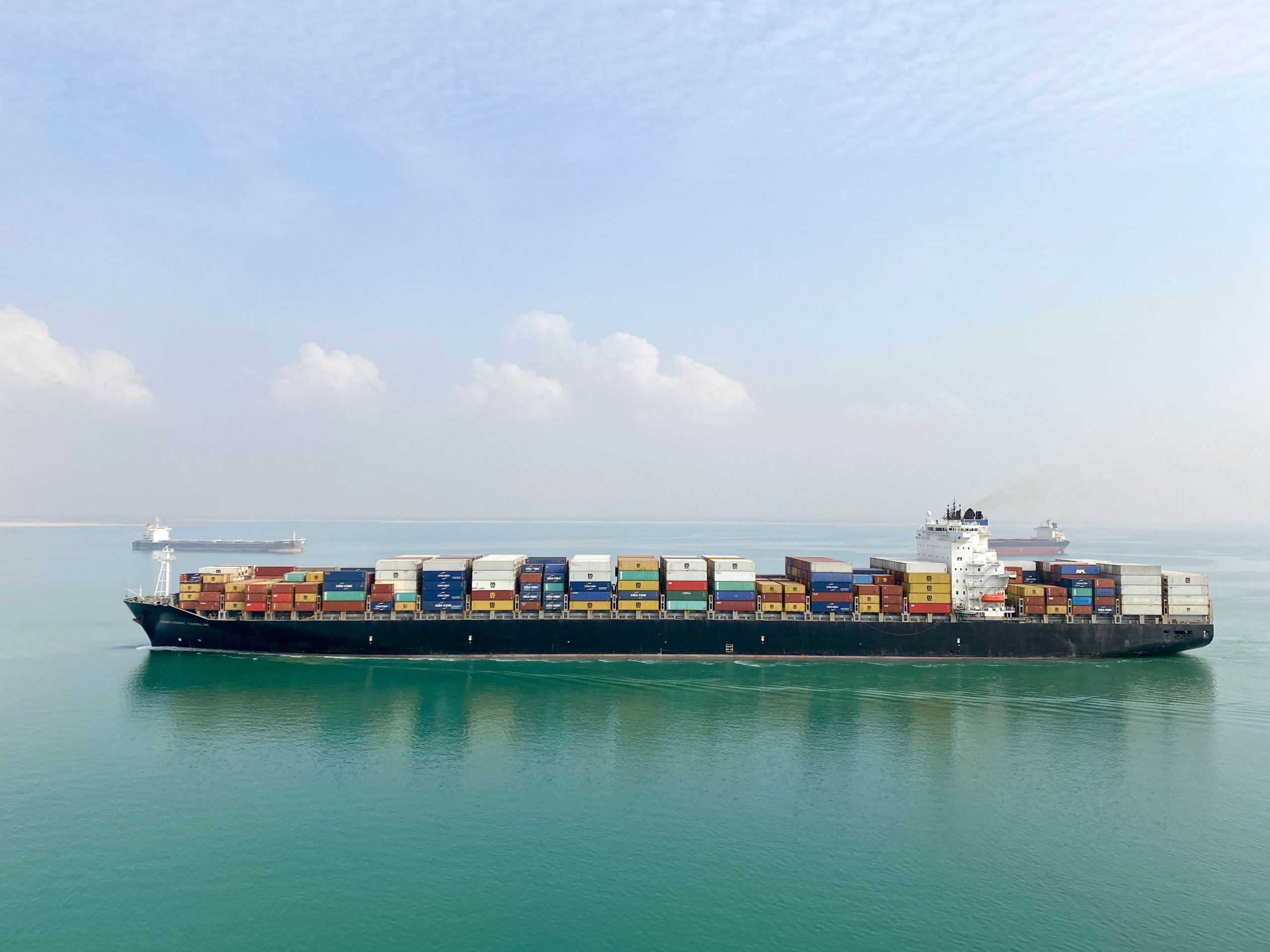
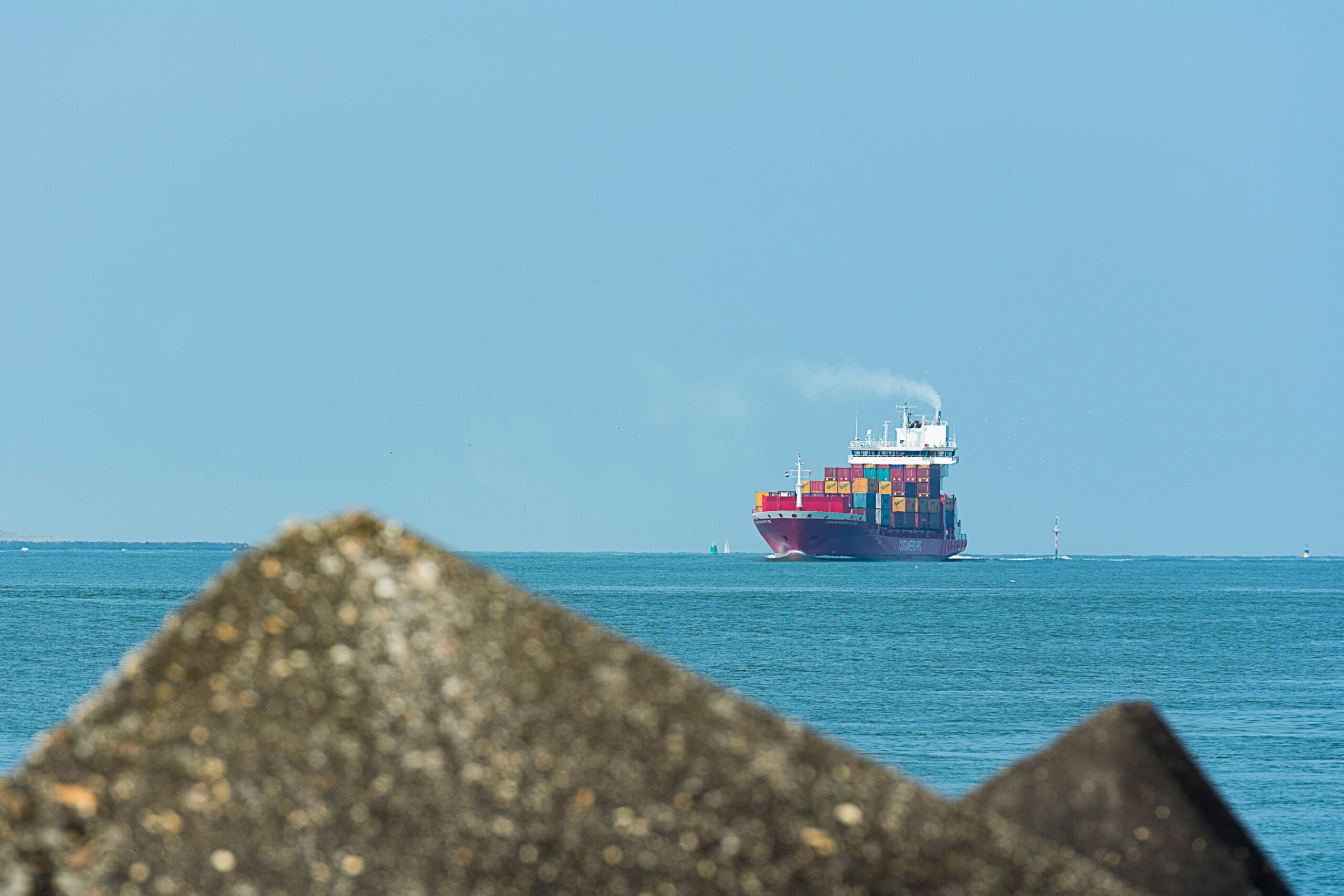
Port of Brisbane has extended its Green Button vessel speed optimisation system to deep-draft ships moving through its 90-kilometre navigation channel. The capability is available to vessels drawing more than 12 metres of water and is integrated into the port’s existing NCOS Online channel planning platform.
The extension gives port planners another way to coordinate larger vessel movements against forecast weather, currents, tides, and water depths. Within the arrival or departure window assigned to a ship, Green Button can calculate where changing speed along the channel may reduce fuel consumption while keeping the passage compatible with navigation constraints. The vessel’s optimal speed is therefore assessed along its route rather than assumed to be constant.
Green Button was developed through a collaboration between the port and marine modelling specialist DHI, with full sea trials completed in 2024. It operates through NCOS Online, the Nonlinear Channel Optimisation Simulator platform used at Brisbane for vessel movement planning since 2017. The latest change widens Green Button’s availability to ships drawing more than 12 metres rather than introducing an entirely separate navigation system.
NCOS Online forecasts under-keel clearance and environmental conditions for seven days. Clearance is the distance between a vessel’s keel and the seabed, and the safe margin changes with tide, water level, vessel characteristics, and the way a hull responds while moving. These constraints are especially important for deep-draft ships because a speed adjustment must not compromise navigational safety.
A usable speed profile must satisfy two sets of conditions simultaneously: the permitted movement window and the under-keel clearance required throughout the transit. Green Button combines its environmental forecasts with those constraints and evaluates the consequences of speed variations for fuel use. Forecast wind and currents affect a ship’s progress, while water depth and tide place limits on the available timing and speed combinations.
A ship’s speed over the ground is not necessarily the same as its speed through the water. A favourable current can assist progress along part of the channel, whereas an opposing current changes the propulsion effort needed to maintain the same ground speed. By modelling those conditions along the planned transit, the software can recommend variations rather than applying one blanket speed reduction.
At Brisbane, the safe arrival window is not interchangeable with an instruction to proceed at the lowest possible speed. Excessive slowing can cause a vessel to miss a tidal opportunity or interfere with an allocated berth slot, while faster passage increases fuel demand. The optimisation is designed to work within the scheduled movement window. It does not displace the Regional Harbour Master’s authority or the navigational decisions made by a vessel’s master and pilot.
Port of Brisbane chief executive Neil Stephens said the technology offered a way to reduce shipping emissions while maintaining reliable vessel scheduling. The development has involved DHI Seaport, Maritime Safety Queensland’s Regional Harbour Master, Poseidon Sea Pilots, and shipping customers including Maersk and CMA CGM.
The port’s existing NCOS Online system provides detailed seven-day predictions of under-keel clearance and environmental conditions, allowing planners to look beyond the tide level at a single moment. A nominated ship has a particular draught and handling profile, and its acceptable transit conditions can vary with speed and sea state. Green Button adds an emissions-related speed calculation to an established system that already helps establish whether a movement is practicable.
DHI’s 2024 sea trials provide an indication of the achievable savings, but not a uniform result for every vessel. The developer reports an average saving of 2.3 tonnes of emissions per participating trial and reductions exceeding 50% on some individual transits. Those figures relate to specified trial passages. Neither a verified average for routine deep-draught commercial operations nor a total annual saving attributable to the new eligibility threshold has been published.
The size of any saving depends on the ship and the movement. A heavily laden vessel, an unfavourable current, a narrow tidal window, or limited flexibility over the berth time may constrain the recommended speed changes. Conversely, a more flexible schedule can permit an extended period at lower propulsion demand. Forecast output consequently supports an individual transit decision; trial averages cannot be multiplied across all port calls to produce a reliable emissions total.
The port’s initiative also concentrates on the approach and departure leg, not the entire ocean voyage. Shipping lines still make separate decisions about sea passage speed, fuel use, and arrival planning beyond the channel. Connecting those decisions with terminal readiness could reduce unnecessary acceleration or waiting, but the newly announced capability specifically concerns optimisation within the designated port movement windows.
Green Button is available within NCOS Online for vessels in the deeper-draught category, extending a tested decision-support function through an existing port interface. The next useful operating measures will be the proportion of eligible transits using its suggested profiles, actual passage times, and fuel and emissions reductions achieved under normal channel conditions. Brisbane has reported the wider service availability, not an independently verified fleet-wide reduction from its introduction.