IN Brief:
- LKAB and Stegra signed a memorandum of understanding on 23 November covering possible long-term supplies of direct reduction quality pellets.
- The testing programme will examine the pellets’ physical, chemical and metallurgical properties under conditions relevant to Stegra’s planned production.
- The partners will plan rail logistics between LKAB operations and Boden, but have disclosed no binding tonnage, price or freight timetable.
LKAB and Stegra have signed a memorandum of understanding to advance plans for supplying direct reduction quality iron ore pellets to Stegra’s steel project in Boden, northern Sweden. The agreement, disclosed on 23 November, follows earlier discussions about test deliveries and adds structured work on commercial terms, material testing and rail transport. It does not establish a binding long-term supply contract, and no agreed tonnage, purchase price or first regular delivery date has been announced.
Stegra is developing an integrated facility intended to produce hydrogen, direct reduced iron and steel. Direct reduction removes oxygen from iron ore without using a conventional blast furnace, and the physical and chemical characteristics of the pellet feedstock influence how that process can operate. LKAB and Stegra will evaluate whether the proposed material performs under conditions relevant to the planned production system. Material qualification and a workable transport route are separate requirements: passing one does not establish that the other is ready for commercial service.
The planned test programme covers physical, chemical and metallurgical properties. Pellets need suitable mechanical integrity during loading, rail movement and unloading, while their chemical composition and reduction behaviour must be compatible with the receiving process. The partners have not disclosed numerical acceptance criteria, sample volumes or the sequence of industrial trials. Without those results, the agreement does not confirm that the material has qualified for routine use at Boden.
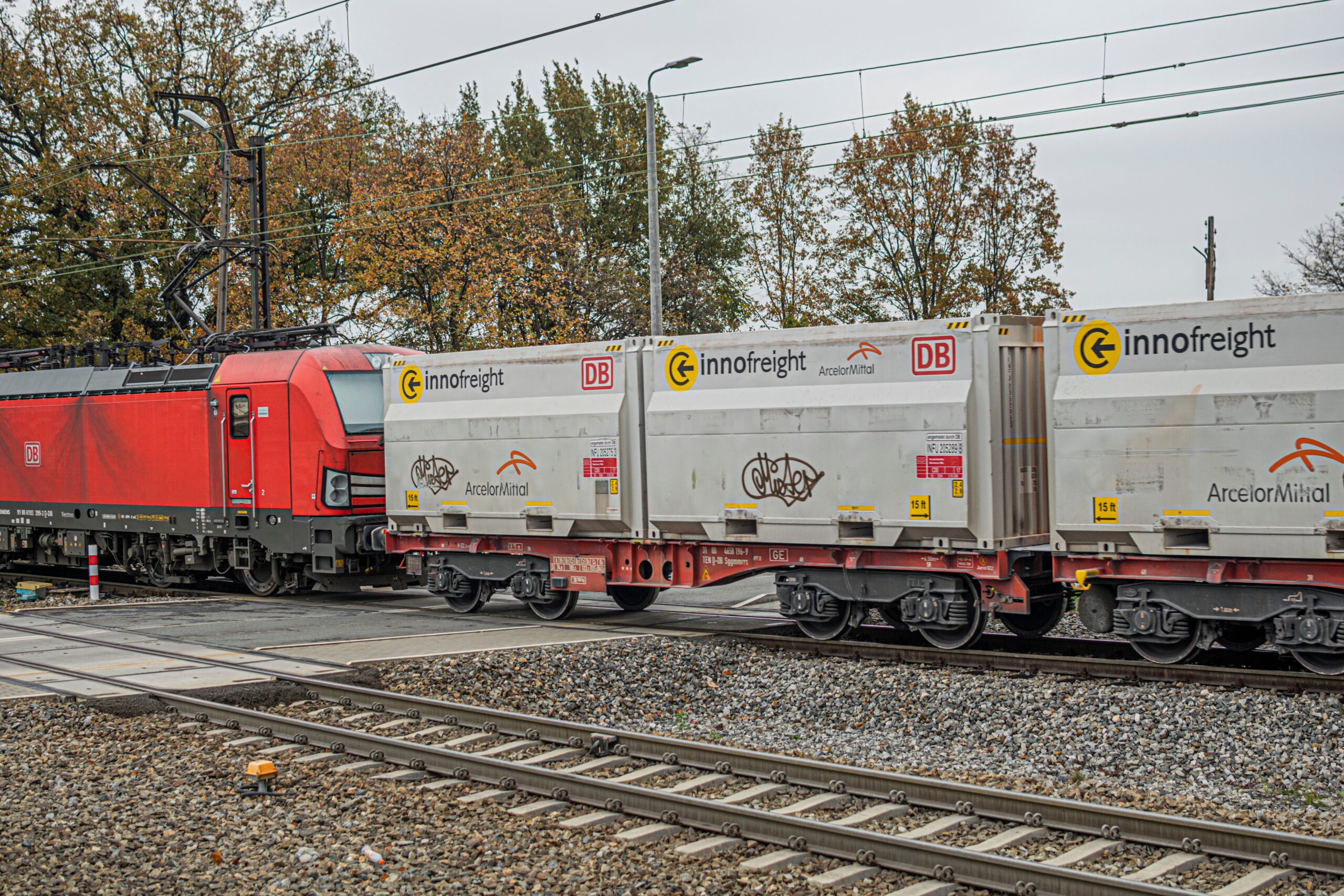
The companies will also plan rail-based deliveries between LKAB’s operations and Stegra’s plant. The relevant operating questions include loading facilities, train formation, available paths on the railway, unloading arrangements and the capacity of the receiving stockyard. Each interface can affect the number of tonnes that can be delivered reliably. The published memorandum commits the partners to detailed logistics planning but does not specify final routes, wagon numbers, dispatch frequencies or terminal capacities.
Bulk pellet movements depend on consistent access to rail wagons and loading windows as well as a receiving facility able to discharge the trains. A train can arrive on schedule yet wait if unloading equipment or stockpile space is unavailable, while a receiving site may need buffer inventory when deliveries are interrupted by track maintenance. These are operating constraints to be addressed during planning, not problems reported as having occurred on the proposed route. The companies have not provided the figures needed to calculate a daily delivery rate or a resilience margin.
Operational contingency planning is part of the same work. Rail disruptions, maintenance possessions, equipment availability and variations in production can affect the timing of deliveries, especially when a facility expects to consume feedstock continuously. An appropriate buffer at the receiving site can reduce exposure to short interruptions, but holding more inventory requires space and working capital. The partners have not published their intended buffer stocks or service performance targets, so the resilience of the proposed arrangement cannot yet be quantified.
LKAB and Stegra agreed in principle in May 2025 to work towards test deliveries, then envisaged for late 2026 after railway track work. The 23 November memorandum is a subsequent stage of cooperation, expanding the joint work to prospective long-term commercial terms, controlled testing and detailed freight planning. The partners have not confirmed that the previously planned test movements have occurred. The new document should therefore be read as an agreement to undertake work, not evidence that regular pellet shipments have begun.
A domestic Swedish source of iron ore pellets could shorten some parts of Stegra’s procurement chain, but the commercial outcome depends on product performance, available rail capacity and delivered cost. Emissions claims would also need comparable data for pellet production, transport and the steelmaking process; material origin alone cannot establish a quantified saving. No reduction in freight cost, carbon emissions or inventory requirements has been attributed to the memorandum by the partners.
Stegra has been planning the transport infrastructure needed to serve its Boden operation, including links with the Port of Luleå for incoming materials and outward products. The potential LKAB relationship forms one part of that wider material flow rather than establishing an exclusive supply route. LKAB would need to provide feedstock meeting the required specification, and Stegra would need a receiving operation capable of handling it at the production rate ultimately selected. Both the final material choice and the agreed logistics model remain subject to further work.
The next substantive milestones are the results of pellet tests, a defined rail operating plan and any negotiated long-term supply contract. LKAB and Stegra have not published the commercial volumes, delivery prices, train schedules or acceptance criteria against which the proposed relationship could be measured. The November memorandum provides a common framework for that work while leaving the supply decision and operating arrangements open.