IN Brief:
- OOCL Faith is the third vessel in a seven-ship construction programme at Nantong COSCO KHI Ship Engineering.
- The first vessel in the series, OOCL Wisdom, commenced its maiden European voyage following methanol bunkering in July.
- Each vessel combines 24,000 TEU of nominal container capacity with alternative fuel capability.
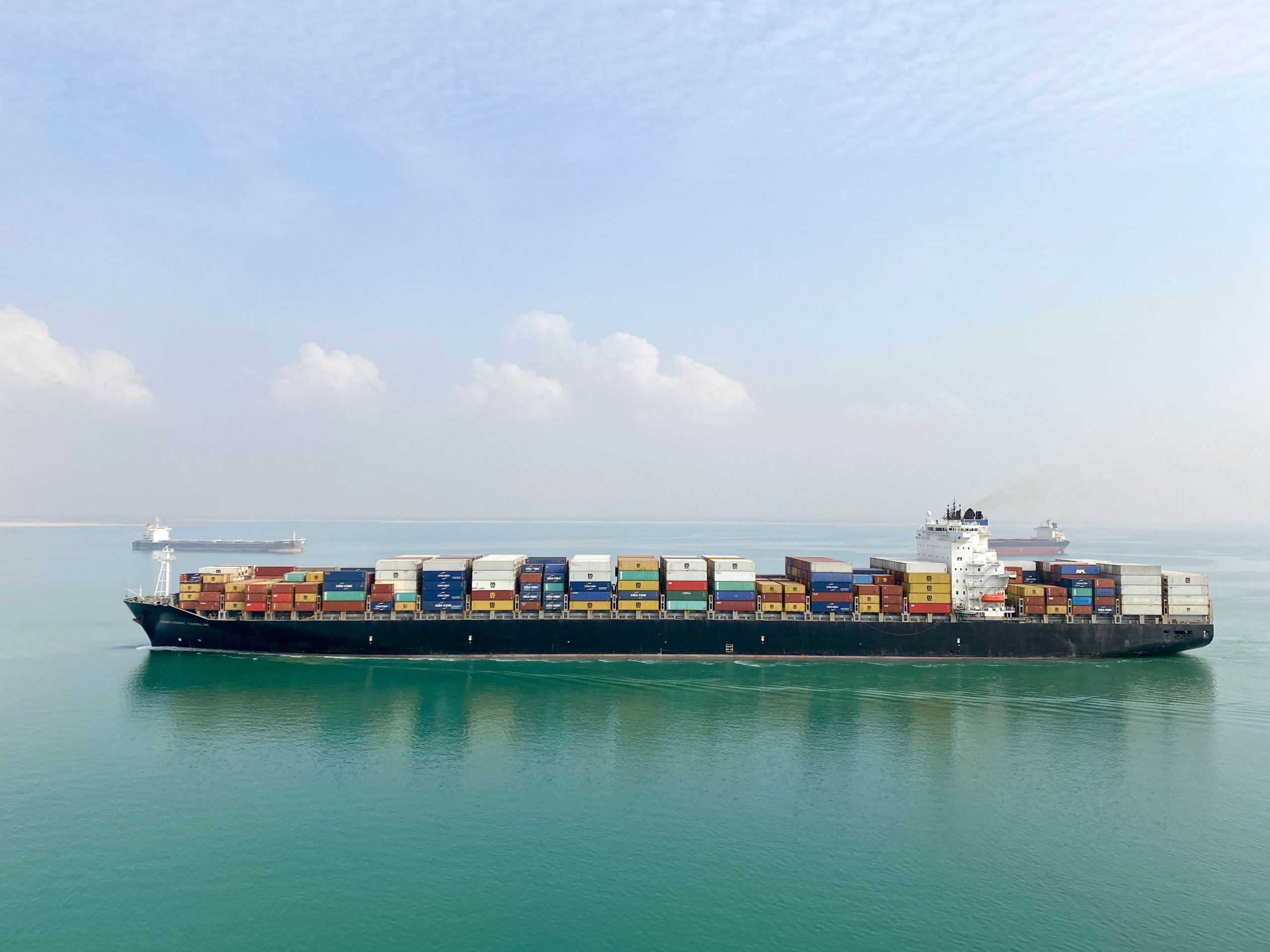
Orient Overseas Container Line has named OOCL Faith, the third of seven 24,000 TEU methanol dual-fuel container ships being constructed for the carrier at Nantong COSCO KHI Ship Engineering in China.
The naming ceremony took place on 24 November, following the introduction of OOCL Wisdom in May and OOCL Grace in August. OOCL describes the seven vessels as the largest methanol dual-fuel container ships currently being constructed and deployed.
The programme represents a combined nominal capacity of 168,000 twenty-foot equivalent units (TEU), although the increase in the carrier's effective fleet capacity will depend on service deployment and the replacement or retention of existing vessels.
OOCL has already established operational experience with the series. Its first vessel, OOCL Wisdom, completed an initial supply of green methanol at Qingdao Port on 3 July before commencing its maiden voyage to Europe, establishing a connection between the shipbuilding programme and the alternative fuel infrastructure supporting commercial operations.
The second vessel has also undergone green methanol bunkering during its maiden call at Yantian International Container Terminals, extending the number of Chinese container gateways involved in supporting the new ships.
These operations illustrate the relationship between alternative fuel investment and the infrastructure required to introduce new propulsion technologies into established shipping networks. Methanol-capable vessels need access to fuel at commercially viable locations and quantities while maintaining the schedules associated with regular container services.
Unlike liquefied natural gas, methanol remains liquid under ambient storage conditions, avoiding the need for cryogenic fuel containment. Its lower energy density compared with conventional marine fuel, however, requires a greater storage volume to provide an equivalent amount of energy.
The resulting implications for tank capacity, vessel range, and refuelling intervals depend on individual ship designs and operating conditions. On long-distance routes between Asia and Europe, access to compatible bunkering infrastructure can influence voyage planning and the proportion of a journey completed using alternative fuel.
Dual-fuel propulsion provides flexibility while that infrastructure develops. The ability to operate using conventional marine fuel allows shipping companies to maintain services where methanol is unavailable, although it also means that the environmental performance of an individual voyage cannot be determined from the vessel's technical specification alone.
Methanol production pathways vary considerably in their greenhouse gas intensity. Supplies manufactured using fossil feedstocks have different lifecycle emissions from those produced using sustainably sourced biomass or renewable hydrogen combined with appropriate carbon feedstocks.
The emissions associated with fuel production therefore need to be considered alongside the operation of the ship itself. Purchasing arrangements that establish the origin and characteristics of methanol supplies will be important when shipping companies account for reductions in the emissions associated with their transportation services.
Alternative fuel procurement is developing against a broader background of marine fuel cost volatility. In its August interim results, OOCL's parent company, Orient Overseas (International) Limited, reported that the carrier's average bunker price increased from US$541 per tonne during the first half of 2025 to approximately US$582 during the corresponding period of 2026.
Those figures cover the carrier's overall fuel purchasing activity rather than the specific cost of operating its new methanol vessels. Nevertheless, they demonstrate the scale of exposure to fuel price movements within commercial container shipping, where fuel selection can influence voyage costs and freight pricing.
The physical scale of the seven vessels introduces separate requirements for port infrastructure. Accommodating a 24,000 TEU container ship requires appropriate water depth, berth length, crane outreach, and sufficient terminal handling capacity to manage large cargo exchanges.
Concentrating cargo within individual vessel calls can improve economies of scale at sea while creating peaks in demand for container handling and inland distribution. Railway connections, road transport, and storage capacity must accommodate those movements without introducing delays that erode the efficiencies achieved during the maritime portion of the journey.
Investment in marine fuel infrastructure must therefore complement the capacity of the wider container transport network. The International Maritime Organization's safety guidance for ships using methanol includes requirements covering fuel system installation, control, and monitoring, while further work on seafarer training addresses the operational demands of alternative fuels.
The development of commercially reliable methanol supply networks will also require investment by organisations outside the shipping sector. In a separate development, Equinor and North Sea Container Line extended a biomethanol supply arrangement, illustrating the role of fuel purchasing commitments in supporting alternative propulsion across different segments of container shipping.
OOCL Faith's naming extends a fleet programme that has already progressed from vessel construction to commercial operation. Four further vessels remain within the seven-ship series, while OOCL has yet to identify a service commencement date for its latest addition.