IN Brief:
- Pos Malaysia and X Square Robot have signed a memorandum covering robotics applications in logistics.
- Any evaluation or deployment is subject to a separate written agreement between the partners.
- X Square Robot has separately introduced a new vision-language-action foundation model with industrial parcel sorting applications.
Pos Malaysia has signed a memorandum of collaboration with Chinese robotics developer X Square Robot to explore the use of embodied artificial intelligence in parcel handling, sorting, and other logistics operations.
X Square Robot intends to provide robotic equipment for evaluation, drawing on its development of general-purpose robotics and foundation models, while Malaysia's national postal operator would contribute its experience of managing physical distribution networks. The agreement establishes a framework for exploring applications within operational logistics environments ahead of any decisions concerning commercial deployment. Both evaluation and deployment remain subject to a separate written agreement.
The collaboration follows the introduction of X Square Robot's WALL-OSS-1.0 foundation model on 23 November, extending the developer's work on systems that interpret visual information, understand instructions, and generate physical actions. The company has already identified industrial parcel sorting among the model's applications, although neither partner has confirmed the specific hardware or software configuration that will be evaluated by Pos Malaysia.
The foundation model is accompanied by XR Harness, a framework connecting higher-level task planning with physical execution, and WALL-API-1.0, an interface through which developers can access embodied AI capabilities. Together, the technologies address different stages of robotic operation, from interpreting the task to coordinating the movements required to complete it.
Parcel sorting provides a demanding application for these systems because of the variability of goods entering a processing facility. Rigid cartons, flexible mailing bags, padded envelopes, and irregularly packaged products can arrive together, with their orientation and physical condition changing throughout the handling process.
Conventional industrial manipulators can achieve high levels of repeatability when presented with consistently positioned objects. Handling an unpredictable mixture of packages requires greater adaptability in both the perception system and the mechanical equipment, particularly where packages overlap or deform during manipulation.
A vision-language-action model seeks to connect information about the objects in a robot's surroundings with the movements needed to perform a specified task. In a sorting application, the resulting control system must establish which object to handle, identify a suitable grasping position, and transfer the item without damaging either the package or neighbouring consignments.
That process requires coordination between cameras, processing hardware, motion control systems, and the robot's end effector. A gripping mechanism suitable for a rigid carton may perform differently when presented with a thin plastic envelope, while reflective surfaces and damaged packaging can introduce additional complications for visual perception.
X Square Robot demonstrated an earlier robotic parcel handling system during August 2026, using a six-axis robotic arm controlled by its WALL-B model. The developer reported processing 1,816 parcels within an hour and achieving accuracy above 98% during the demonstration.
Those figures establish a reference point for the developer's existing work, although performance within Pos Malaysia's facilities has yet to be measured. The proportion of packages requiring manual intervention, the characteristics of the parcel mixture, and the performance sustained over an entire operating shift will influence the commercial suitability of any installation.
Pos Malaysia's evaluation also comes amid broader investment in automation across Asian logistics networks. FedEx recently opened a Guangzhou cargo terminal incorporating automated sorting, reflecting continued investment in the machinery and infrastructure used to manage growing freight volumes across the region.
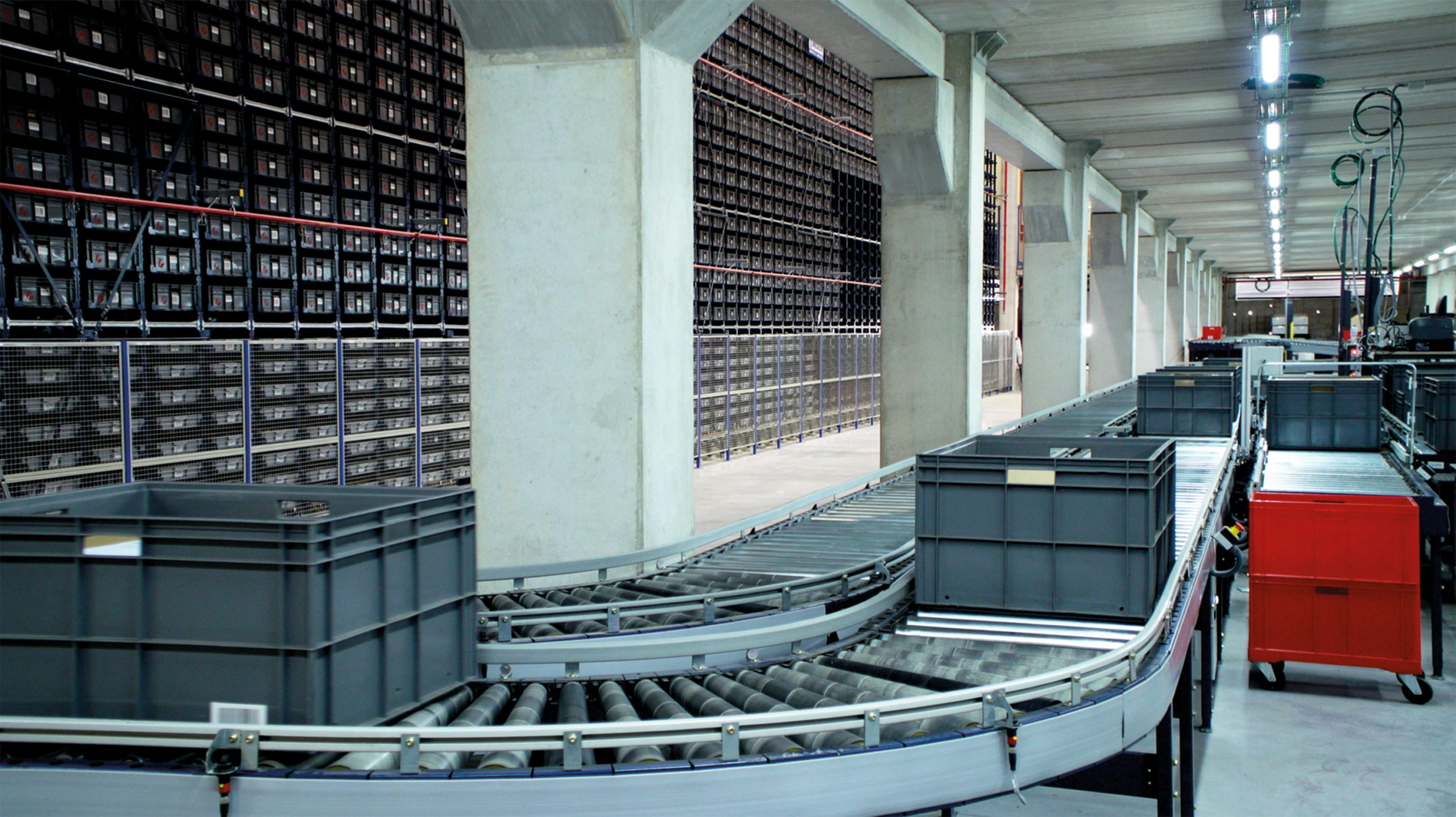
Established conveyor and sortation systems can direct individual packages towards designated destinations at high speeds. Robotic manipulation addresses a complementary requirement, particularly where individual parcels must first be separated from an irregular accumulation of goods or transferred between processing systems.
The throughput achievable across the complete installation depends on how effectively those activities are coordinated. Increasing the speed of robotic handling offers limited additional capacity where downstream scanning, sortation, or container loading equipment cannot accommodate the resulting volume.
The software integration requirements extend beyond movement control. Each completed handling operation must remain associated with the correct shipment record, allowing the logistics system to maintain visibility of a package as it moves between processing stages.
Where an item cannot be identified or handled reliably, the equipment also needs a means of redirecting it without interrupting the wider operation. Exception management will therefore form an important part of establishing whether adaptable robots can operate alongside existing postal infrastructure.
Pos Malaysia's collaboration with X Square Robot provides a route for evaluating those capabilities against the demands of an established distribution network. The partners have yet to announce a deployment timetable, participating facilities, equipment quantities, or commercial investment commitments, with a separate written agreement required before any operational evaluation can begin.