IN Brief:
- Equinor and North Sea Container Line extended their low-carbon marine fuel collaboration into 2027 following cooperation during 2026.
- The fuel arrangement relates to NCL Vestland and NCL Nordland, dual-fuel container vessels, and Equinor’s Tjeldbergodden industrial site in Norway.
- The company describes certified, mass-balanced biomethanol production, but has not disclosed delivery tonnes, commercial pricing or verified fleet emissions savings for 2027.
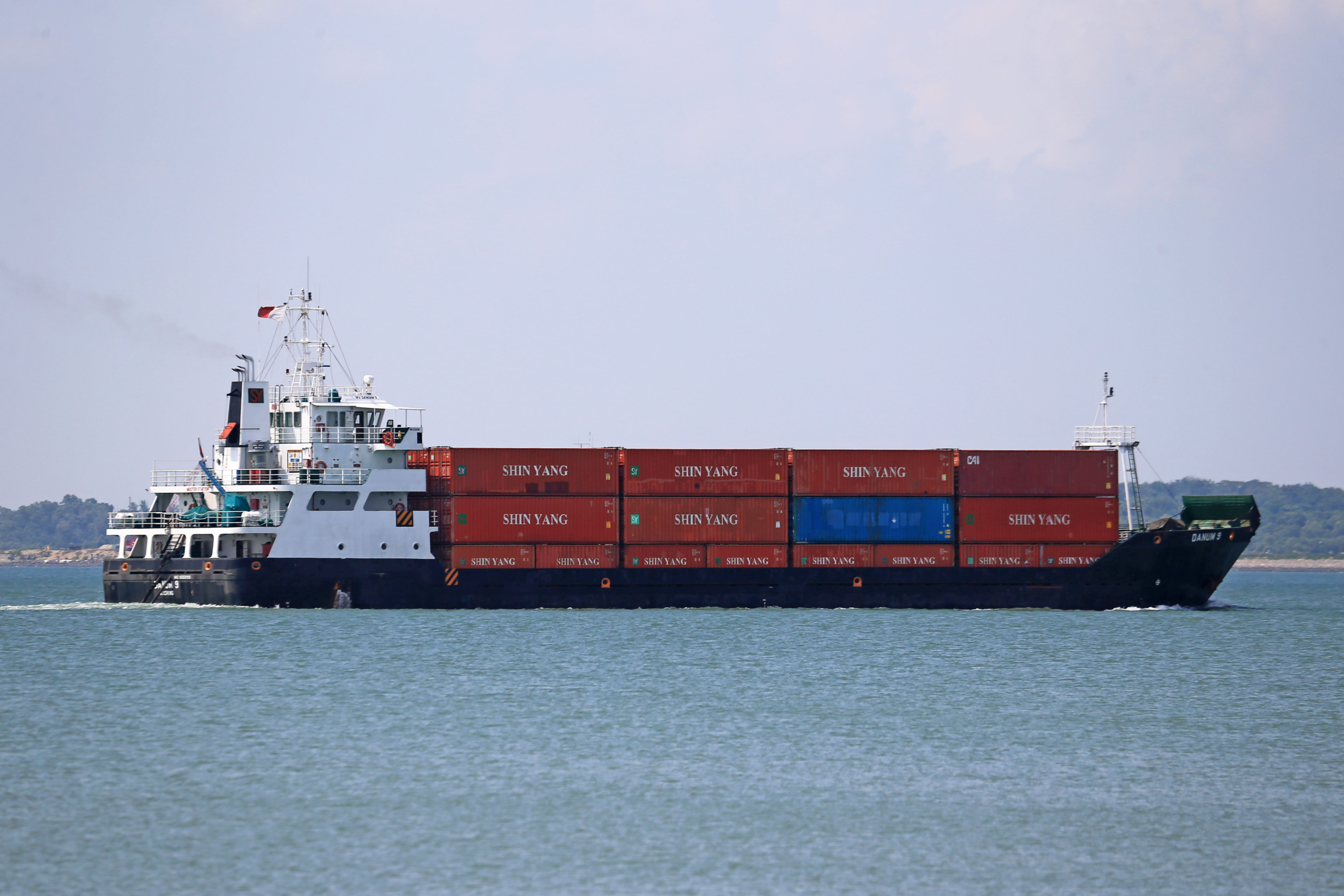
Equinor and North Sea Container Line (NCL) have extended their arrangement for lower-carbon marine fuel into 2027. The continuation covers the methanol-capable container vessels NCL Vestland and NCL Nordland and fuel associated with Equinor’s Tjeldbergodden industrial plant in Norway. The companies began cooperating during 2026 and disclosed the extension on 23 November. They have not specified a contracted tonnage, price or delivery schedule for 2027, so the agreement establishes continuity of supply rather than a quantified new fleet emissions result.
The vessels are capable of operating with methanol as a fuel, giving NCL a way to use an alternative to conventional marine oil where the required supply is available. Dual-fuel capability also introduces operational choices: the crew and operator must ensure that the appropriate fuel is available for a voyage, maintain the related handling and safety systems, and meet the engine manufacturer’s requirements. The fact that a ship can use methanol does not establish that every sailing operates entirely on lower-carbon fuel.
Tjeldbergodden is an established methanol production site, and Equinor says it is certified to produce biomethanol using mass-balanced biomethane obtained from European Union suppliers through the interconnected gas grid. Under mass-balance accounting, renewable gas volumes and their sustainability attributes are allocated and documented within a defined chain of custody even where renewable and fossil gas share transmission infrastructure. This differs from tracing individual molecules through the pipeline. Compliance depends on the applicable certification scheme, records of eligible input and prevention of double counting; the November extension does not disclose the supporting shipment-level certificates.
The arrangement links an industrial producer to a named shipping operator rather than describing an unspecified market for alternative bunker fuel. Methanol must meet the vessel’s fuel specifications, be available in the right quantity, reach an approved bunkering point and be transferred in accordance with safe handling procedures. Production, transport, storage and fuel transfer are separate steps, and a delay at any of them can interrupt planned bunkering even if the sailing timetable itself has not changed. No new terminal, bunkering vessel or additional transport infrastructure was identified in the 23 November disclosure.
Methanol is a liquid under ordinary ambient conditions, which allows familiar types of storage and transfer equipment to be adapted for marine use, but it has a lower energy content per unit of volume than conventional oil-based marine fuels. Its toxicity and fire behaviour also require suitable design, detection and operating procedures. The greenhouse gas profile depends on the source of the feedstock, the production route, transport and consumption, as well as the accounting boundary applied. Certification of a production pathway is not itself evidence that the two ships have consumed a particular certified quantity in a given period.
The agreement covers 2027 after an existing year of cooperation, which offers more forward visibility for an operator planning services that depend on a developing alternative fuel market. Regular container services need reliable vessel availability, berth access and fuel purchasing arrangements. A fuel supplier must be able to match planned bunker calls with production and delivery arrangements; disruption to one element can affect an otherwise unchanged sailing schedule. No additional vessel deployment or revised shipping rotation was announced alongside the extension.
Cargo owners increasingly request transport emissions information for procurement and supply chain reporting. Allocating benefits from alternative marine fuels to shipments requires actual consumption and transport activity data, a defensible calculation method and controls that prevent the same reduction from being claimed more than once. The extension gives no fleet-wide emissions intensity, lifecycle reduction percentage or quantity to allocate to individual freight bookings. Any customer-facing savings figure would therefore have to be established from subsequent verified data rather than inferred from the fuel agreement.
Fuel procurement for vessels of this type also differs from sourcing a conventional marine bunker product at short notice in a major port. Availability can depend on a restricted set of qualified producers and on the transport arrangements linking them with shipping operations. An extended relationship can provide a framework for recurring deliveries, although the published terms do not disclose exclusivity, minimum purchase requirements, delivery frequency or penalties for interruption. Those details should not be inferred from the existence of the partnership.
The supply chain has a defined geographical and operational scope: Equinor’s Norwegian methanol facility and the two identified NCL container ships. It may support repeated fuel purchases along the carrier’s coastal service network, but the companies have not announced additional vessels, new routes, exclusivity or minimum annual volumes. Equinor’s wider work on low-carbon methanol provides context for the production capability without establishing the exact composition or certified volume delivered to NCL under this particular extension.
The next measurable step will be deliveries during 2027, when fuel records can establish the quantity actually transferred and vessel data can show how it was consumed. Such information is necessary to assess the operating and emissions outcomes against the companies’ stated ambitions. As disclosed on 23 November, the agreement confirms an ongoing relationship between a fuel producer and two methanol-capable container vessels, with the commercial volumes and realised emissions performance still to be reported.