IN Brief:
- The World Shipping Council is calling for binding global greenhouse gas regulations ahead of MEPC 85.
- The number of dual-fuel container ships and vehicle carriers in operation increased by 41% between September 2025 and September 2026.
- Investment in delivered and ordered dual-fuel vessels has exceeded $200 billion.
The World Shipping Council (WSC) has called on governments to agree binding international greenhouse gas regulations for commercial shipping, warning that continued uncertainty threatens to slow investment in alternative marine fuels and supporting infrastructure.
Its intervention on 23 November coincided with the beginning of further negotiations at the International Maritime Organization (IMO) ahead of the 85th session of its Marine Environment Protection Committee (MEPC), which begins in London on 30 November.
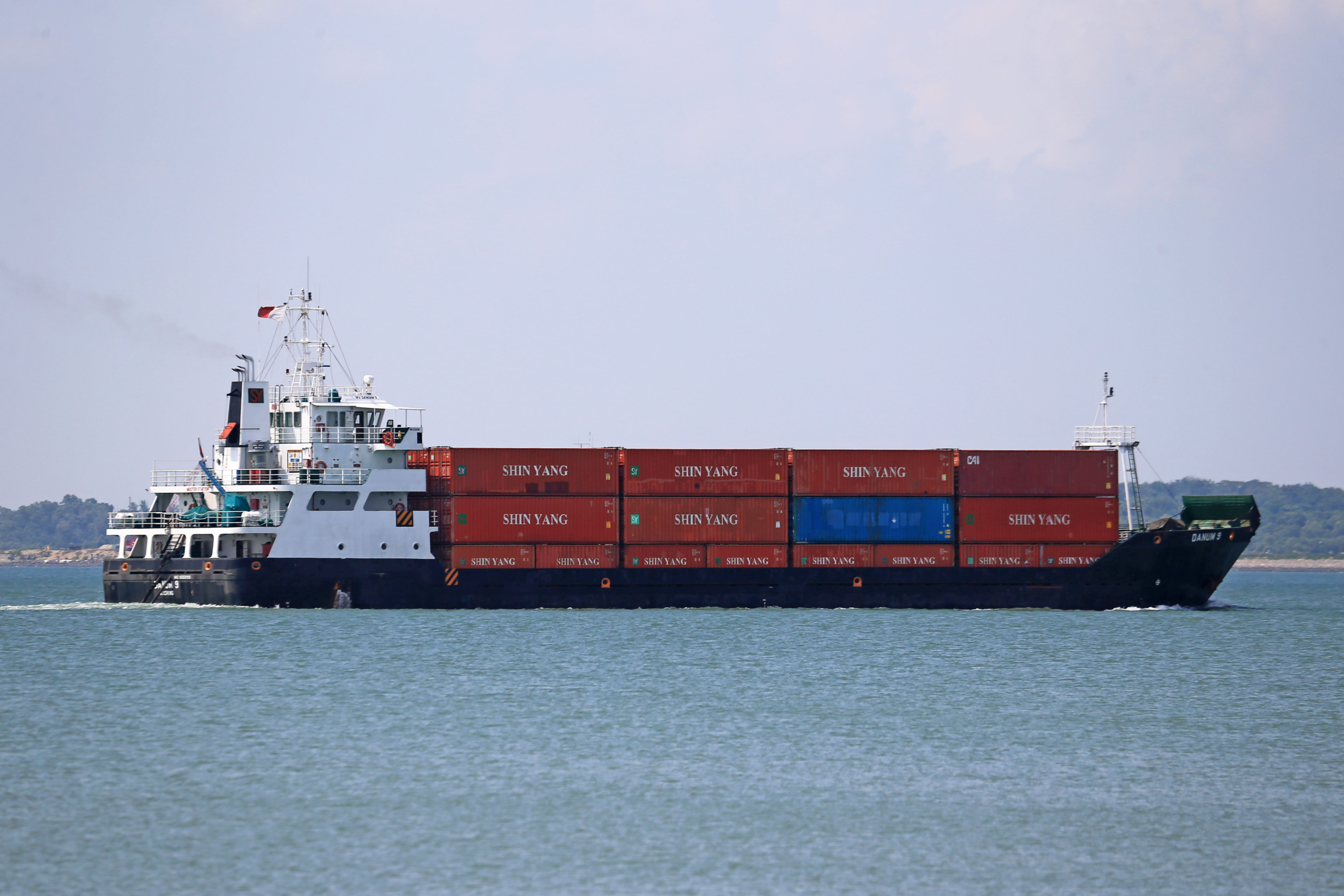
Container shipping companies and vehicle carriers have already committed more than $200 billion to dual-fuel vessels, according to the WSC's October fleet assessment. The number of operational vessels increased from 358 in September 2025 to 503 in September 2026, while another 849 remain on order.
The expansion has brought the combined number of delivered and ordered dual-fuel vessels across the two shipping segments to 1,352. Investment in fuel production and distribution infrastructure must now develop alongside the growing number of ships capable of using alternative propulsion fuels.
Governments have yet to agree the formal adoption of the IMO's Net-Zero Framework, despite approving its draft text in April 2025. An extraordinary committee meeting intended to consider adoption was adjourned in October that year.
Further discussions took place during MEPC 84 in April and May 2026, resulting in the establishment of an intersessional working group to address outstanding concerns before the next committee session.
The proposed framework combines requirements governing the greenhouse gas intensity of marine fuels with an economic mechanism intended to encourage emissions reductions. Its coverage would extend to ocean-going ships above 5,000 gross tonnage, which the IMO estimates account for more than 85% of global shipping emissions.
Developing alternative marine fuel production requires industrial facilities, feedstock purchasing arrangements, storage infrastructure and distribution networks that can supply ports in commercially viable quantities.
Fuel producers must establish sufficient demand to support capital investment, while shipping companies need reliable supplies before committing substantial proportions of their fleet operations to alternative fuels.
Long-term fuel purchasing arrangements can help establish that relationship. Equinor and North Sea Container Line recently extended their biomethanol supply agreement, connecting marine fuel procurement with the operation of container shipping services.
The commercial requirements become more extensive as alternative propulsion is introduced into larger vessels serving long-distance routes. Fuel availability must be coordinated with vessel schedules, bunkering facilities and the geographical distribution of cargo services.
A ship operating between Asia and Europe may call at several ports during an individual service rotation, but only some locations may have access to sufficient quantities of its preferred alternative fuel. Fuel purchasing arrangements must account for those differences alongside vessel range and storage capacity.
Dual-fuel propulsion allows shipping companies to continue operations using conventional marine fuels when suitable alternatives are unavailable. However, the emissions performance of a vessel depends on the fuel consumed, meaning the WSC's fleet investment figures cannot be interpreted as a corresponding reduction in shipping emissions.
The production pathway is particularly important for methanol, which can be manufactured from conventional fossil feedstocks or through processes using renewable energy and sustainable carbon sources. Fuels with similar physical properties can consequently have substantially different lifecycle greenhouse gas emissions.
International rules governing fuel emissions intensity could influence the commercial relationship between those production pathways, creating different compliance costs for shipping companies according to the fuels they purchase.
Regional measures already affect transportation costs. The EU's emissions trading arrangements and FuelEU Maritime regulation introduce obligations that carriers must manage when operating relevant services, regardless of whether the proposed global framework is adopted.
The resulting financial and administrative requirements can extend into freight purchasing arrangements, including the emissions-related surcharges carriers apply to commercial shipments.
Manufacturers and distributors purchasing international container transport must also consider how different services contribute to the emissions associated with their supply chains. Reliable information about fuel consumption and emissions allocation is necessary when comparing the environmental performance of those services.
The WSC's call for a common international framework reflects the global nature of shipping operations and the difficulty of establishing investment arrangements across markets with different regulatory requirements. The organisation argues that prolonged uncertainty could delay the commercial development of the fuel supplies required to support its members' existing vessel commitments.
MEPC 85 is scheduled to run from 30 November to 3 December. The proposed resumption of the extraordinary session on 4 December remains subject to confirmation, with the formal adoption of the Net-Zero Framework still unresolved.