IN Brief:
- Gulftainer has assumed operational control of Suksawat Terminal following its September investment agreement.
- The facility links the industrial districts south of Bangkok with Thailand’s main deepwater container gateway.
- Gulftainer intends to develop handling capacity and productivity, but has not disclosed a capital expenditure programme.
Gulftainer has taken operational control of Suksawat Terminal on Thailand’s Chao Phraya River, completing a transaction that establishes the UAE port operator in the Thai market. The company intends to improve the facility’s handling capacity, productivity, and services, although it has not disclosed the purchase price or committed capital expenditure.
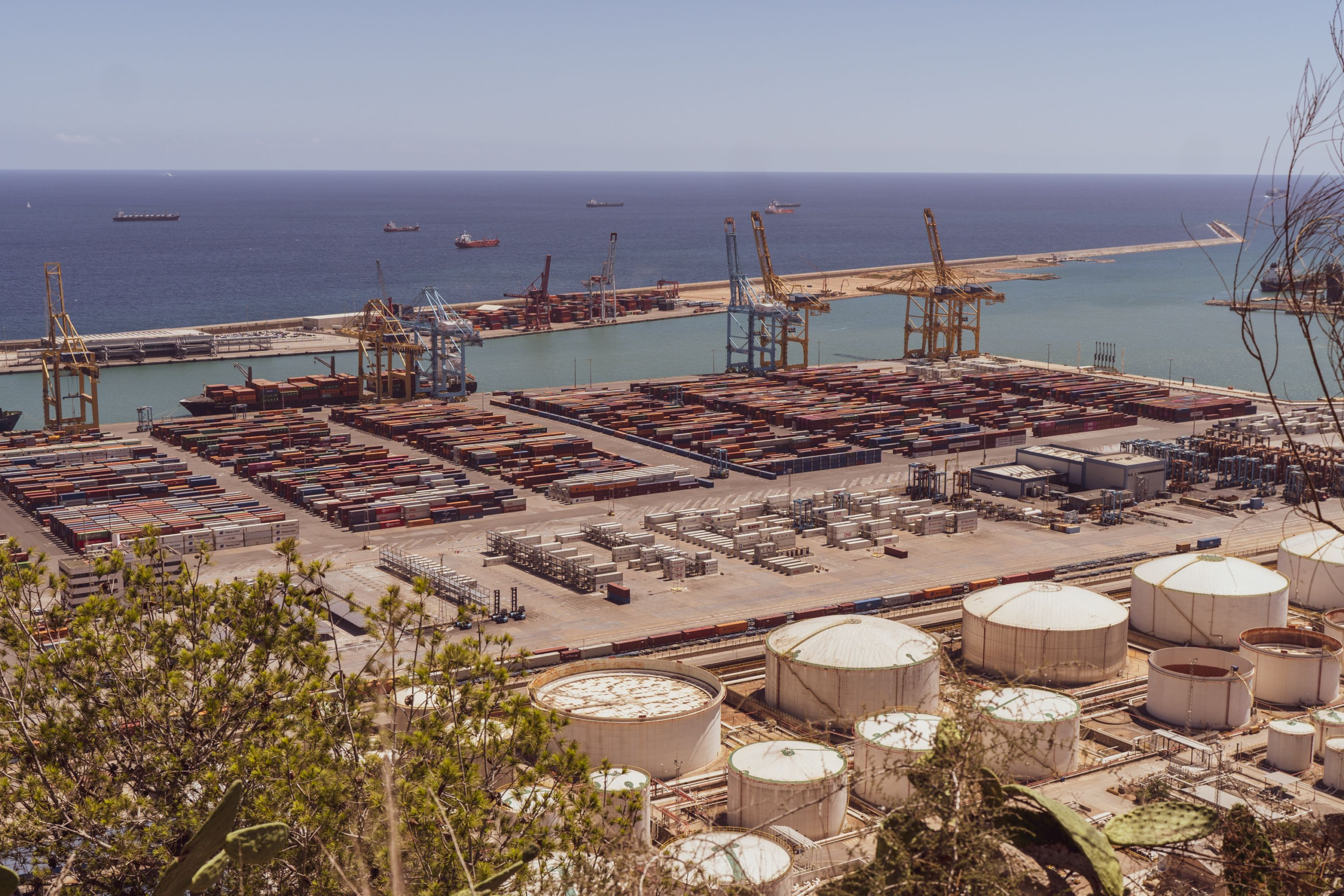
The takeover follows a binding investment agreement announced on 9 September. Located in Samut Prakan, south of Bangkok, Suksawat serves importers and exporters across the capital’s industrial hinterland. Barges connect the river terminal directly with Laem Chabang, giving customers an alternative to road transport for part of the journey to Thailand’s principal deepwater container port.
The location places Gulftainer close to manufacturers producing automotive components, electronic equipment, machinery, and other goods. Production sites around Greater Bangkok may be some distance from the maritime terminals used for international shipments, and the location of intermediate handling facilities can influence how much of the journey a container must complete by road.
A container collected from a factory by truck can be delivered to the river terminal and loaded aboard a barge with containers from other customers. At Laem Chabang, the units must be transferred ashore and made available for loading onto the appropriate ocean-going vessel. Consolidating those movements can reduce the number of individual truck journeys to the coastal port, but introduces another transfer that needs to be reflected in the freight schedule.
Barge departures must allow sufficient time for handling at both terminals and for the export container to meet the carrier’s acceptance deadline. A shorter or cheaper inland journey offers limited value if a missed vessel connection leaves the shipment waiting for the next sailing. Terminal operators need information about the intended ocean service, its cut-off time, and the release status of each container before allocating it to a departure.
The same transport infrastructure can support imports, with containers transferred from the coastal port to the river facility for collection by local road operators. The customs status of a shipment determines what documentation and permissions are necessary before it can be moved. A container intended for inland clearance may need different handling arrangements from goods already released for unrestricted circulation.
Balancing import and export flows can help reduce movements of empty containers between the two terminals. A unit discharged close to a manufacturing district might subsequently be available for an export shipment, provided its size, condition, ownership, and availability satisfy the requirements of the exporter and shipping line. An apparent geographical match is insufficient where the carrier has instructed the customer to return the equipment to another location.
Gulftainer’s acquisition adds an established operating site rather than a development requiring construction before it can generate freight revenue. Changes to the terminal’s gate arrangements, yard planning, and handling equipment could affect the time required for trucks and barges to complete their visits. A larger storage area, however, would need to be supported by enough lifting equipment and onward transport to prevent the additional space from becoming a buffer for unresolved congestion.
Barge dimensions and loading limits are influenced by navigable depth, river conditions, and available berthing infrastructure. Any future increase in Suksawat’s handling capacity will need to take account of the number and size of vessels that can serve it, alongside the throughput of the receiving terminal at Laem Chabang.
The acquisition expands a portfolio that includes established operations in the Middle East and the United States. Gulftainer recently agreed a ten-year container handling partnership with CULines at Khorfakkan, linking a Gulf terminal with a carrier serving Asian freight markets. Its proposed Marunda terminal in Jakarta represents another element of its Southeast Asian expansion, although that development remains at the planning stage.
Ownership of terminals in several regions does not itself create a shipping service between them. Cargo connections depend on commercial agreements with carriers, the routes they operate, and the ability of inland transport providers to meet scheduled vessel departures. The Thai terminal already has an established connection to a maritime gateway, giving Gulftainer an operating route through which to develop its services in the Bangkok region.
No revised annual throughput target or equipment procurement timetable has been published for Suksawat. Gulftainer’s stated expansion plans therefore have no published capacity baseline or completion date against which customers can assess future service availability.