IN Brief:
- Vessels completing longer Cape voyages are arriving alongside ships using the shorter Suez Canal route.
- Some UK-bound containers have been discharged at alternative European ports for subsequent recovery by carriers.
- Importers arranging their own recovery movements may face additional freight, customs, and equipment return requirements.
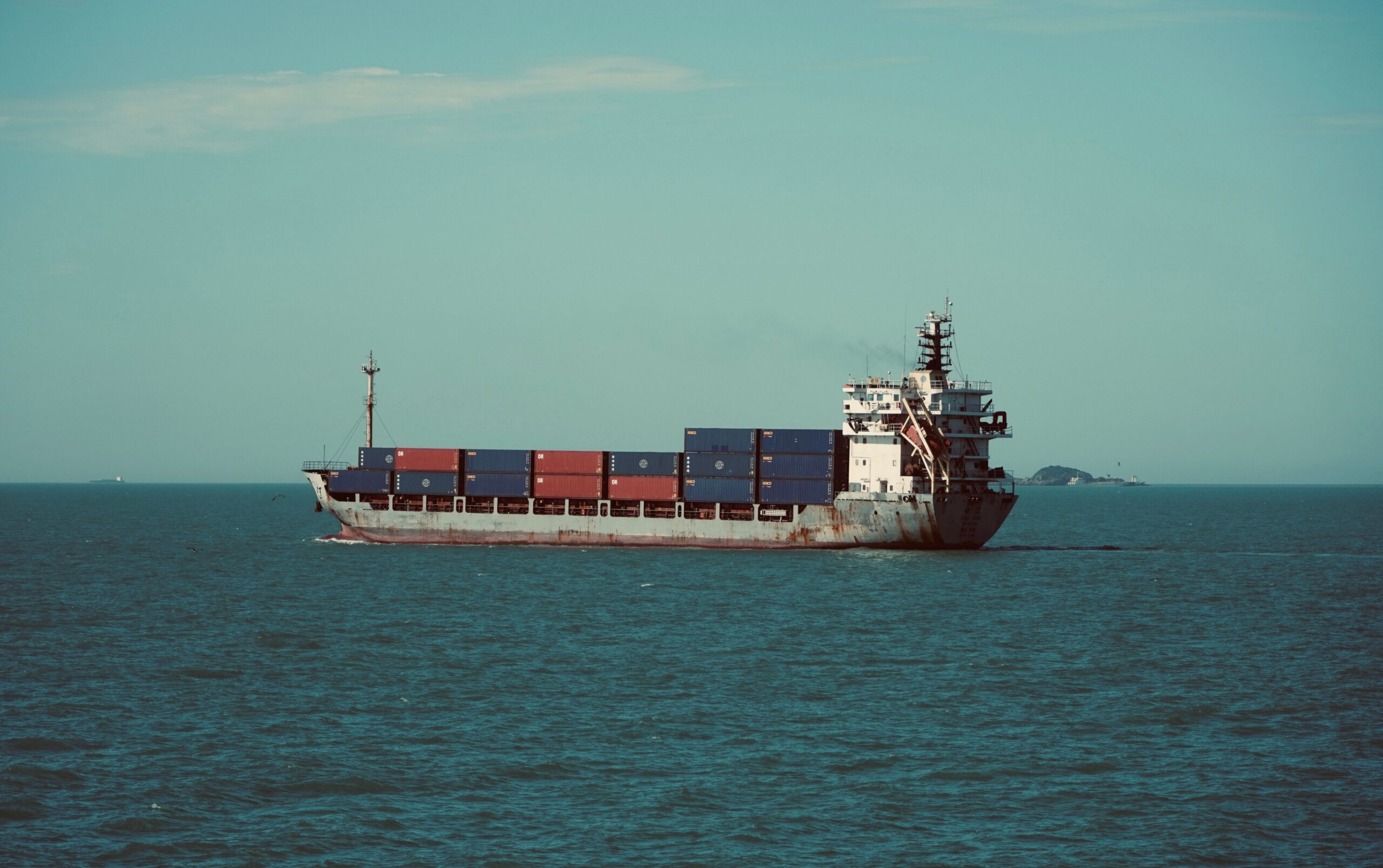
Container shipping lines returning to the Suez Canal are discharging some British imports at continental European ports as concentrated vessel arrivals disrupt maritime schedules, according to independent freight forwarder Davies Turner.
Ships completing longer voyages around the Cape of Good Hope are reaching Europe alongside vessels that have resumed the shorter Red Sea and Suez Canal route, placing additional demands on terminal handling and storage capacity.
Davies Turner reports that some carriers have responded by discharging UK-bound containers at alternative European gateways rather than completing their originally planned British port calls.
The affected shipping lines have committed to recovery arrangements through which containers will be transported to the UK destinations specified in their bills of lading. Such arrangements generally involve carriers organising onward transportation and covering port costs arising from the unplanned discharge.
The transitional period between the longer Cape route and the shorter Suez route creates a temporary overlap between different generations of vessel schedules.
Cargo loaded onto ships departing Asian ports at different times can reach European terminals within a relatively concentrated period when those vessels have followed routes involving substantially different voyage durations.
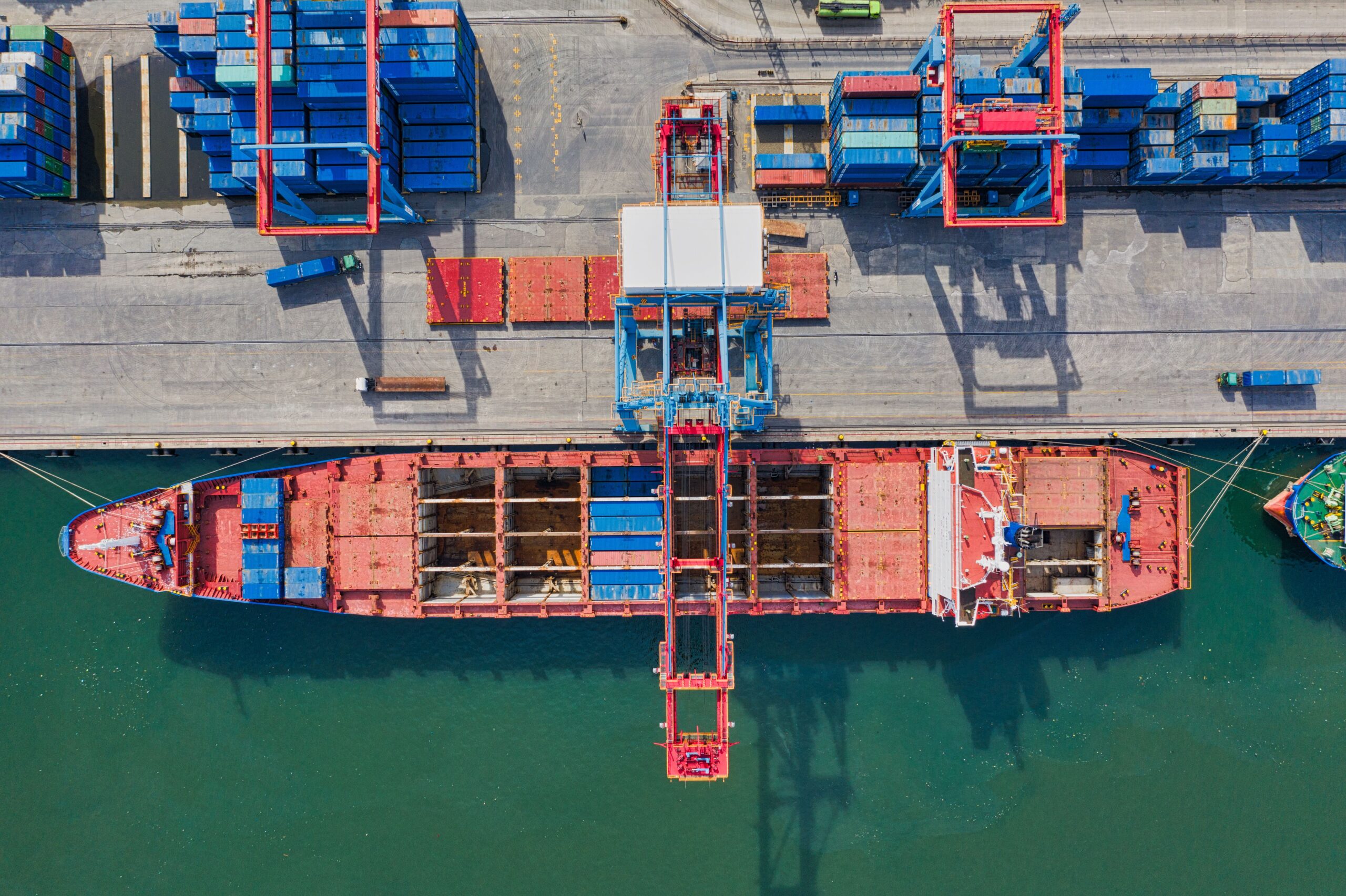
Terminals must accommodate that concentration using infrastructure whose capacity cannot readily be increased at short notice. Berth availability, crane productivity, storage positions, and the ability to move landed containers inland can all constrain the rate at which arriving vessels are handled.
Discharging containers at an alternative gateway allows a mainline vessel to continue its rotation without waiting for access to its intended destination. However, it creates another transport requirement for each affected container.
Where goods must subsequently reach Britain through regional feeder services, shipping lines need to secure capacity aboard suitable vessels and coordinate the transfer of containers through the European terminal.
The time required to complete those movements depends on sailing frequencies, available loading capacity, and the operational conditions at both the connecting and receiving terminals.
Importers awaiting affected consignments may consequently receive revised delivery estimates that remain dependent on several subsequent transport movements.
Davies Turner has identified an alternative approach involving a formal change of destination, under which the customer arranges collection from the continental European port instead of waiting for carrier-managed recovery.
Changing the destination can alter the contractual and financial arrangements governing a shipment. Importers may need to pay additional charges, reassess the freight rate applicable to the movement, and establish which organisation is responsible for obtaining the necessary cargo release documentation.
The customs requirements can also differ from those originally anticipated. Goods discharged at a European Union terminal but destined for Britain may require appropriate customs transit arrangements or other procedures depending on their status and the intended onward movement.
Importers must ensure that any revised transport arrangement remains compatible with those requirements rather than assuming that physical access to the container establishes permission to move its contents.
The destination of the empty container creates another potential commercial constraint.
Equipment belonging to a shipping line may have to be returned to a designated continental European location after unloading. Where an importer arranges delivery to Britain using that equipment, the return obligation could generate a further international transport movement.
Moving the goods separately from the original container may offer an alternative in some circumstances, although it introduces additional handling, storage, and transport requirements.
The resulting costs must be assessed against the commercial consequences of waiting for carrier-managed recovery, particularly where delayed components or materials could interrupt manufacturing schedules.
The disruption is occurring alongside continuing pressure on Maersk’s UK and Ireland logistics network, where restrictions on empty container acceptance have added to existing inland storage and transport constraints.
Davies Turner’s assessment extends beyond those individual carrier restrictions by identifying the additional contractual and transport decisions arising when containers are discharged outside their booked destination market.
Uncertain feeder arrival schedules can also complicate the allocation of road haulage resources. Changes to anticipated cargo availability require transport operators to revise vehicle bookings and collection appointments, potentially affecting the movement of unrelated consignments.
Davies Turner has not established the total number of affected containers or the average additional time required to complete recovery.
The immediate consequence of the Suez transition is that some importers face longer delivery periods despite the reduction in ocean voyage distances. Until vessel arrival patterns and feeder connections become more consistent, the reliability of end-to-end delivery will depend on the ability of shipping lines and logistics providers to manage those additional transfers.