IN Brief:
- Maersk has identified high import volumes, vessel delays, adverse weather, and railway disruption across parts of its UK and Ireland network.
- London Gateway suspended empty container acceptance again on 24 November.
- Alternative container return locations remain dependent on weather conditions, available space, and individual shipment arrangements.
Maersk has warned that existing cargo backlogs and high utilisation of inland storage facilities will prolong disruption across parts of its UK and Ireland logistics network, despite improvements in service performance.
The carrier identified sustained import volumes, congestion, delayed vessel arrivals, adverse weather, and recent railway disruption among the factors affecting maritime and inland operations in an update issued on 24 November.
Maersk also announced that London Gateway would suspend empty container acceptance from midday on the same date, introducing a further restriction on equipment movements through one of the UK's principal container gateways.
Alternative return locations identified in the latest operational instructions include Pentalver's London Gateway facility, depots at Felixstowe, and Southampton Quay, subject to weather conditions, available storage capacity, and the instructions applicable to individual shipments.
The restriction follows several previous interruptions to empty container acceptance during November. London Gateway suspended empty returns earlier this month, while subsequent restrictions affected both London Gateway and Felixstowe on 13 November.
Maersk issued revised acceptance arrangements on 17 November before providing its latest network update. The repeated changes reflect the difficulty of maintaining equipment circulation when maritime terminals and inland facilities are operating under sustained capacity pressure.
After an imported container has been unloaded at a warehouse or manufacturing facility, the empty equipment must be returned to an approved terminal or depot before it becomes available for another commercial movement. Restrictions at the intended return location can require the haulier to retain the container temporarily or deliver it elsewhere.
Repositioning equipment to an alternative depot occupies vehicle and driver capacity that would otherwise be available for collecting or delivering loaded containers. Where that depot is farther from the original delivery location, the additional distance can increase the cost and duration of the transport movement.
The commercial consequences may also extend to container detention charges. Maersk's published UK import arrangements calculate combined detention periods from vessel discharge until the empty equipment is returned to an agreed terminal or depot, subject to the applicable contractual terms and free time allowances.
An interruption to the return process can therefore create additional exposure to transport and equipment charges, although the amount payable in individual cases will depend on the customer's agreement and any specific arrangements made during the disruption.
Maersk is working with vessel partners, terminal operators, road transport providers, and railway operators to manage existing backlogs. Its recovery measures include revisions to vessel schedules, cargo movement plans, alternative transport arrangements, and empty container positioning.
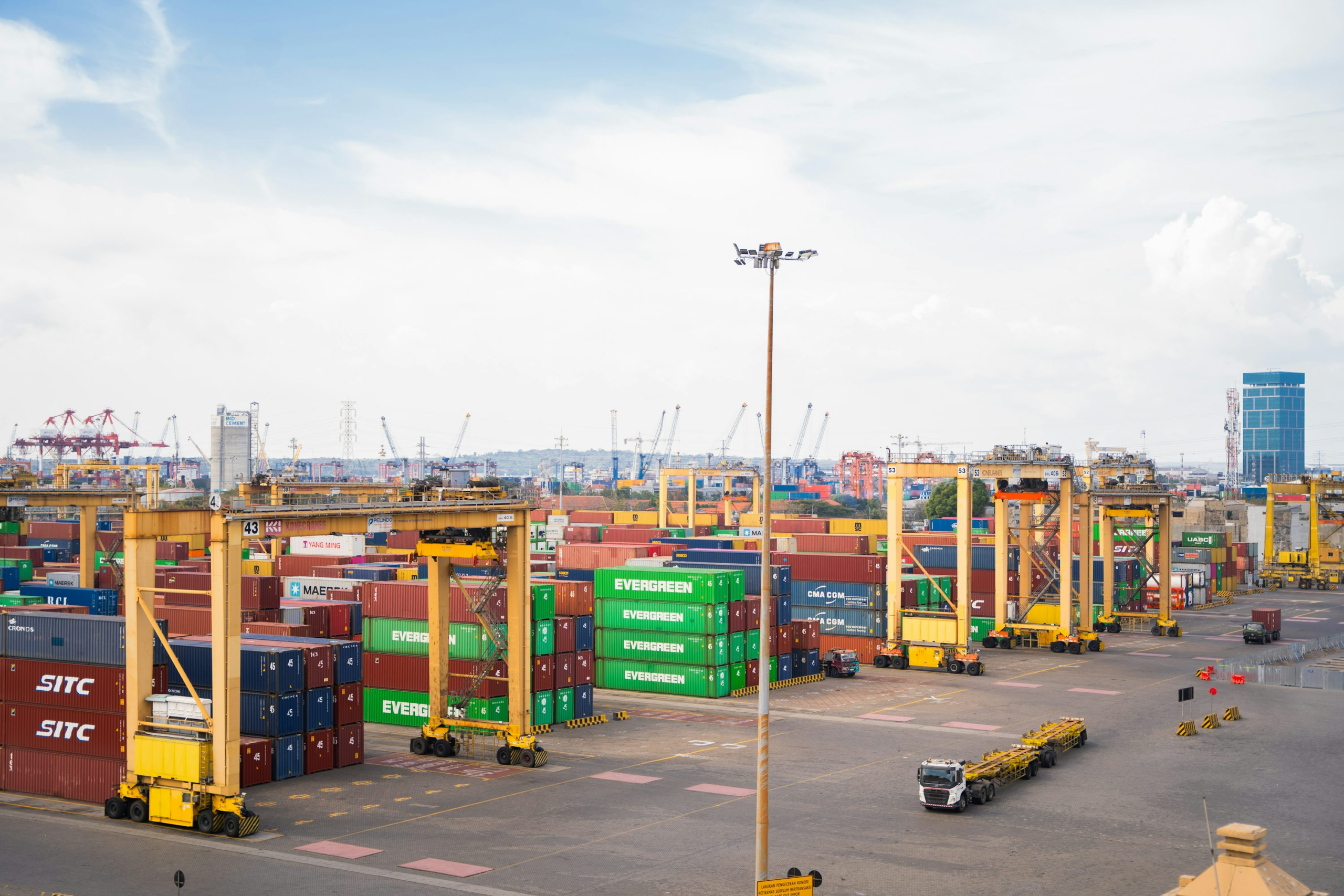
Delayed vessel arrivals can concentrate container discharge activity into shorter periods, placing additional demands on quay handling equipment, storage yards, and inland transport services. Where the incoming volume exceeds the rate at which containers can be collected, yard occupancy increases and fewer storage positions remain available for subsequent vessel calls.
The resulting congestion can persist after the original cause of disruption has passed. A terminal returning to its normal handling rate must still accommodate accumulated cargo alongside new arrivals, while inland facilities need sufficient capacity to receive the additional containers.
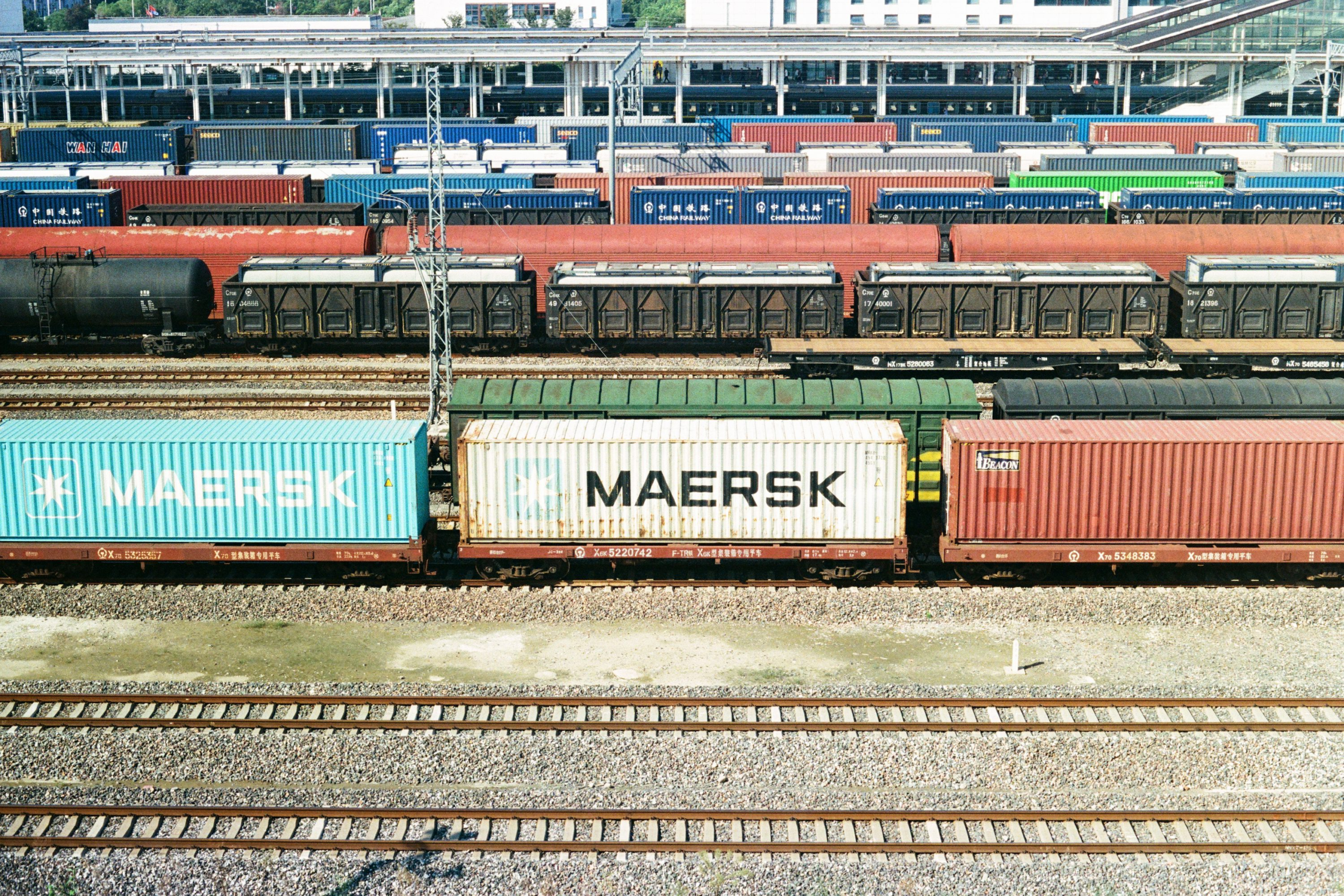
Railway interruptions complicate that recovery where trains normally provide consolidated transport between maritime gateways and inland terminals. Transferring freight to road services may alleviate an individual backlog, but the availability of vehicles, drivers, and collection appointments limits the volume that can be moved through alternative arrangements.
Maersk's earlier November market update had already encouraged customers to arrange prompt import collections, with particular attention to refrigerated and dangerous goods.
These cargo categories have more restrictive storage and handling requirements than conventional dry containers. Refrigerated units can require access to electrical connections to maintain temperature control, while dangerous goods must be stored and handled according to the applicable segregation and safety requirements.
Prolonged storage of either category can consequently restrict the availability of specialised terminal infrastructure even where other parts of the container yard retain spare capacity.
The latest disruption also coincides with the approach of the Christmas trading period, during which revised manufacturing schedules and concentrated distribution activity can reduce the flexibility available to businesses arranging inbound shipments.
Maersk has asked customers to verify equipment return instructions before dispatching vehicles, collect available imports promptly, and ensure export shipments are ready before they are transported to terminals. Customers requiring individual contingency arrangements will be contacted directly.
The carrier has not established a firm date for the restoration of normal network conditions. Recovery will depend on clearing existing cargo and equipment backlogs while maintaining sufficient inland storage and transport capacity to accommodate continuing import flows.