IN Brief:
- Second-quarter cargo revenue increased 43.9% year on year to NT$23.6bn.
- Freight tonne-kilometres rose 8.6% as high-value technology cargo supported demand.
- Semiconductor and server supply chains are sustaining transpacific airfreight requirements.
China Airlines increased second-quarter cargo revenue by 43.9% year on year as artificial-intelligence infrastructure, semiconductor production, and data-centre investment strengthened demand for high-value freight.
Cargo revenue reached NT$23.6bn during the quarter, while freight tonne-kilometres increased by 8.6% to approximately 1.5bn. Available freight tonne-kilometres grew by a more restrained 2.6%, indicating that demand expanded considerably faster than deployed capacity.
June generated cargo revenue of NT$8.08bn, more than 50% above the corresponding month a year earlier. Consolidated monthly revenue reached NT$21.76bn, contributing to record second-quarter group revenue of NT$63.85bn.
Taiwan’s position at the centre of the advanced-electronics supply chain has placed China Airlines close to a stream of cargo characterised by high unit values, strict delivery schedules, and limited tolerance for disruption. Semiconductor devices, manufacturing equipment, servers, networking systems, and data-centre components frequently move by air despite the higher transport cost.
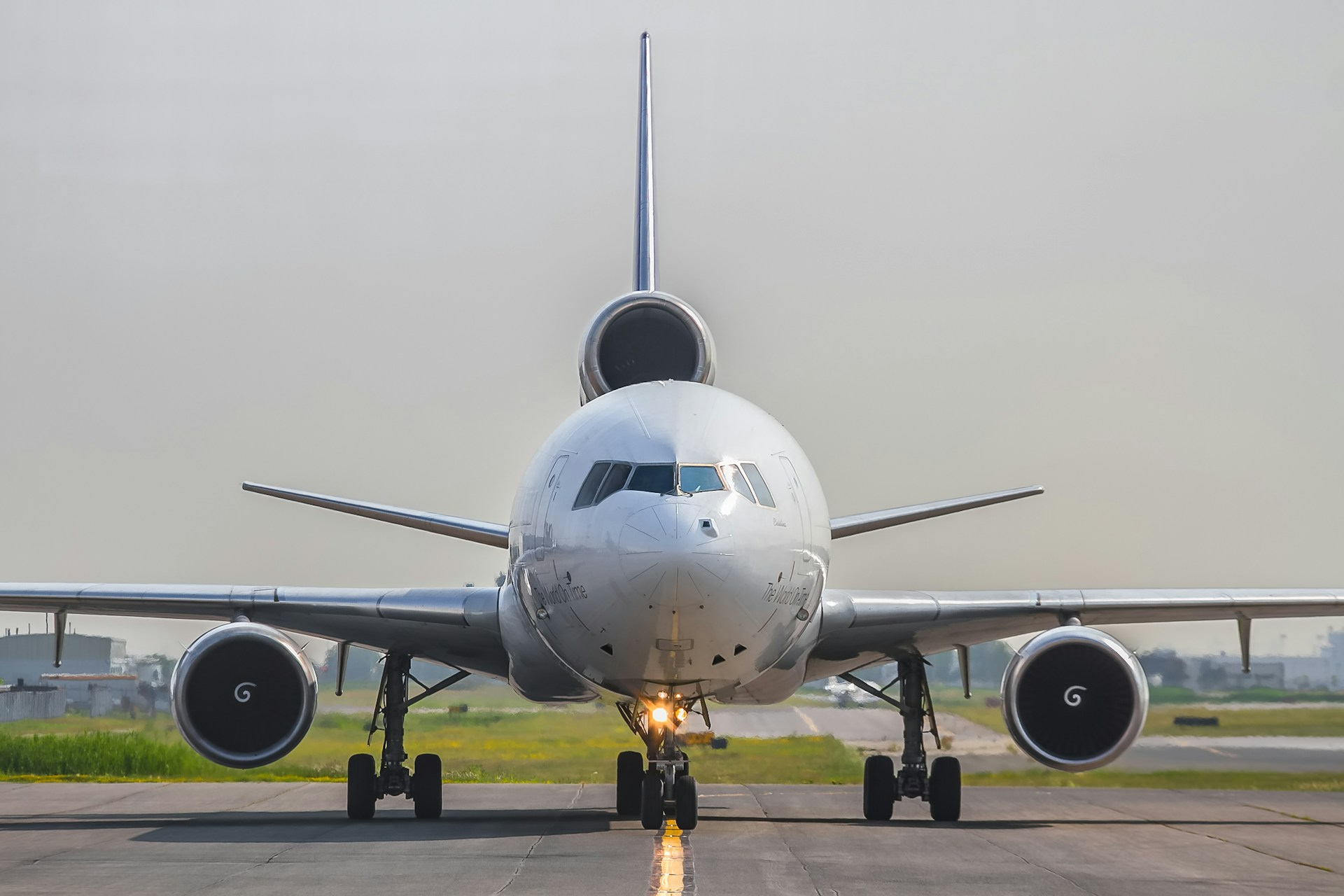
The carrier operates Boeing 777F and 747-400F aircraft, combining the fuel efficiency and long-haul performance of the newer type with the payload and nose-loading capability of the 747. That fleet mix supports dense transpacific services while retaining flexibility for oversized machinery and specialist industrial consignments.
Four Boeing 777-8F aircraft are also on order as part of a longer-term fleet programme. The type will share cargo-handling characteristics with the existing 777F operation while providing additional range, payload, and fuel-efficiency improvements when deliveries begin.
Digital booking through WebCargo and cargo.one has widened access to capacity for forwarders in selected markets, enabling space, pricing, and reservations to be managed online. The operational value will increase as booking data becomes more closely connected with handling, flight planning, and disruption management.
AI investment reshapes the high-tech freight cycle
The current cargo cycle extends beyond the concentrated demand associated with a single smartphone or consumer-electronics launch. AI infrastructure requires continuing movements of accelerators, memory, networking hardware, server assemblies, power systems, cooling equipment, and advanced manufacturing tools.
Those flows support factories and data centres rather than ending when a finished device reaches a retailer. Construction timetables, equipment commissioning, and semiconductor production schedules can create regular urgent shipments across a project lasting several years.
Pressure from AI-related freight has already tightened capacity across intra-Asia and transpacific lanes, even as growth in lower-value ecommerce traffic has become less consistent. China Airlines’ financial performance shows how strongly that change is feeding through into carrier revenue and aircraft utilisation.
A delayed graphics processor or networking component can hold up the commissioning of a data hall, while late semiconductor equipment can interrupt an expansion programme worth considerably more than the freight bill. Those economics sustain air cargo even when rates rise.
Some supporting hardware can still move by sea, particularly when projects have long lead times, but critical components, replacements, and equipment required for fixed installation windows continue to compete for freighter and widebody capacity.
The resulting demand reinforces gateway concentration around Taiwan Taoyuan, Hong Kong, Seoul, and selected mainland Chinese airports. Capacity added elsewhere offers limited relief when production clusters, specialist handlers, secure storage, and onward connections remain concentrated at those origins.
High-value technology cargo also requires more than aircraft space. Semiconductor and server shipments need controlled handling, security, shock protection, accurate build-up, and reliable transfer processes, while large machines and server racks can require specialist loading plans.
Small, high-value components create different risks, including theft, misrouting, and customs delays. Chain-of-custody controls and accurate shipment data become particularly important when a compact consignment carries a value disproportionate to its physical volume.
Capacity commitments remain exposed to the semiconductor cycle, geopolitical controls, and changes in manufacturing location. Export restrictions can redirect cargo, while new fabrication and packaging plants may alter which airports and trade lanes carry the highest-value flows.
Airlines adding freighters must therefore balance strong near-term demand against aircraft investments extending over decades. China Airlines’ location and mixed fleet give it a favourable position, but sustained returns will depend on retaining high utilisation when individual technology cycles soften.
For the present, limited capacity growth and expanding AI-linked volumes are strengthening both freight revenue and yields. Servers and semiconductor infrastructure are replacing consumer device launches as a more persistent engine of Taiwan’s air-cargo market.